Batch Painting Explained
The reason some people finish armies and others own forty primed models.
The short answer
Batch painting means applying one color to every model in a group before moving to the next color, so you mix once and load the brush once per stage. Batches of five to ten work best; larger batches start to feel like a chore and increase the cost of a mistake.
The quick version
| # | Product | Best for | Score | Price |
|---|---|---|---|---|
| 1 | 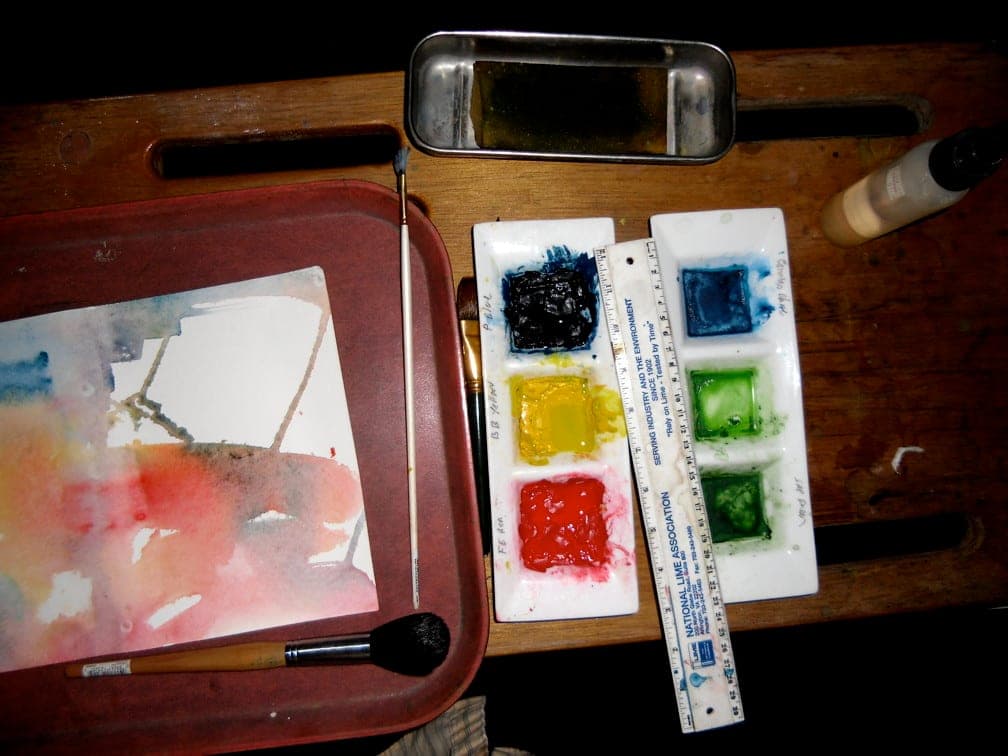 Redgrass Games Everlasting Wet Palette Studio XL v2The same sealed system at roughly twice the area. The right palette when you are painting ten models at once and need every color out at the same time. | Mixing enough for a unit | 9.0 | Check price on Amazon |
| 2 |  The Army Painter Warpaints Fanatic Starter SetEleven 18 ml dropper bottles plus a primer, a brush and a practice miniature. More paint than the Citadel starter for less money, and dropper bottles that do not dry out. | Large bottles for volume work | 8.8 | Check price on Amazon |
| 3 |  Citadel Shade: Agrax EarthshadeA warm brown wash that flows into recesses and makes almost any color scheme look finished. If you buy a single wash, this is it. | The fastest batch stage | 9.2 | Check price on Amazon |
| 4 | 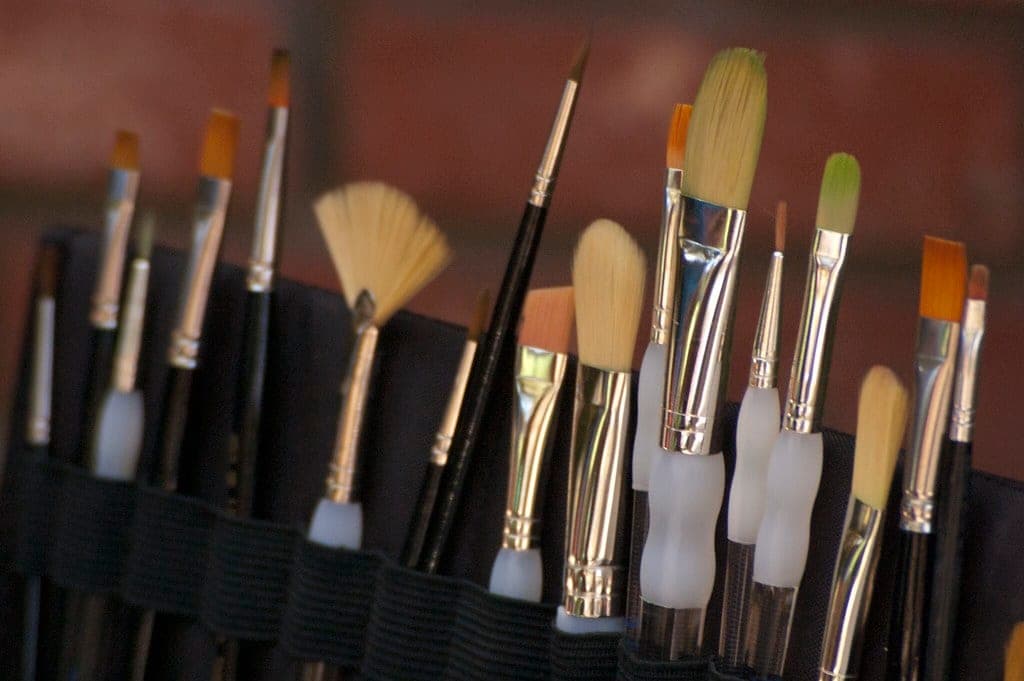 The Army Painter Wargamer: DrybrushA short, stiff, blunt-ended brush built for the one technique that destroys normal brushes. The only shape here you should buy synthetic on purpose. | Highlighting a unit quickly | 8.8 | Check price on Amazon |
Scores are our own editorial read against the criteria stated below — not a lab measurement and not a user rating. Tap a row for the full write-up.
What it is and why it saves time
Painting one model at a time means, for every single model: mix the color, load the brush, paint a small area, clean the brush, mix the next color. The overhead per color is larger than the painting.
Batch painting inverts the loop. You mix one color once and apply it to all ten models, then move to the next color. The mixing, loading and cleaning happen once per color instead of once per color per model, and that overhead is where almost all the saved time comes from.
A secondary benefit matters just as much on an army: consistency. Models painted from the same mix on the same evening match each other, which is what makes a unit look like a unit.
Batch size
Five to ten models is the range that works for most people. Below five, the overhead savings are small. Above ten, three problems appear: the session stops producing visible progress, the paint on your palette dries before the last model (which a large sealed wet palette mitigates), and a mistake in your scheme is now expensive.
A useful rule: batch what fits in your field of view on the desk at once. If models are queued off to one side waiting their turn, the batch is too big.
The assembly line
Order the stages so nothing has to be redone:
- Prime the whole batch. One session, same conditions.
- Largest area first. Armor or robes across all models.
- Next largest, and so on inward. Overspill from a big area is covered by the small area painted after it, never the reverse.
- Metals across the batch. Metallic paint contaminates brushes and water, so grouping it saves cleanup.
- Wash the whole batch. The fastest high-value stage — see washes.
- Drybrush or highlight across the batch. Drybrushing is especially suited to batch work.
- Details, then bases, then seal — all in batch.
When it backfires
Before your scheme is settled. The classic failure: batch-painting twenty models, deciding on model four that the armor color is wrong, and now owning twenty models in a scheme you dislike. Always paint one complete test model first — this is the single most important rule here.
On characters and centerpieces. Models you want to be genuinely good deserve individual attention, blending and decisions. Batch the infantry, paint the hero alone.
When it kills your motivation. Ten models of the same brown is monotonous for some people, and a hobby you avoid is slower than any technique. If batching makes you stop painting, batch three instead of ten.
When you are learning. Early on, the feedback loop of finishing a whole model teaches more than repeating one stage ten times. Batch once the stages are familiar — the full sequence is in the beginner process.
Combining it with one-coat paints
Batch painting and one-coat paints are the two levers for getting an army onto a table, and they multiply rather than add. One-coat paints collapse basecoat, shade and highlight into a single pass; batching removes the per-model overhead from that pass.
A zenithal-primed unit, a single pass of one-coat paint per area, details and a topcoat is how tabletop armies get finished in evenings rather than months. The finish ceiling is lower than careful individual work, and for rank-and-file troops that is an entirely reasonable trade.
Practical notes
Mix more than you think you need — running out of a custom mix halfway through a batch is the most annoying way to lose consistency. Use a larger palette for batch work so there is room for several stages of the same color at once. And put the models on handles or a painting stick so you are not touching wet paint as you cycle through them.
The picks in full
Redgrass Games Everlasting Wet Palette Studio XL v2
The same sealed system at roughly twice the area. The right palette when you are painting ten models at once and need every color out at the same time.
What it gets right
- Room for a full army's palette plus mixing space in one lid
- The v2 seal genuinely holds — paint survives a week between sessions
- Large enough to wet-blend on, not just to thin on
Who it is wrong for
- Takes up most of a small desk; measure before buying
- More membrane area means more membrane cost per refill
- Overkill, and a waste of money, if you paint one model at a time
Scored against this page’s criteria
Specs from the manufacturer: Redgrass Games product page
We do not publish prices. Amazon shows the current one, which is the only one that is ever right. #ad · how this is funded
The Army Painter Warpaints Fanatic Starter Set
Eleven 18 ml dropper bottles plus a primer, a brush and a practice miniature. More paint than the Citadel starter for less money, and dropper bottles that do not dry out.
What it gets right
- 18 ml dropper bottles — half again the volume of a Citadel pot, and no skin forming on a lid
- A primer in the box means you are not blocked waiting on a second order
- The included miniature gives you something to ruin before you touch your actual army
Who it is wrong for
- Color names do not match Citadel tutorials, so you will need a conversion chart at first
- Droppers need a shake and a squeeze; some painters find pots faster to dip into
- Eleven colors is a narrower palette than the 13-plus-tools Citadel box
Scored against this page’s criteria
Specs from the manufacturer: The Army Painter product page
We do not publish prices. Amazon shows the current one, which is the only one that is ever right. #ad · how this is funded
Citadel Shade: Agrax Earthshade
A warm brown wash that flows into recesses and makes almost any color scheme look finished. If you buy a single wash, this is it.
What it gets right
- Flows into panel lines and recesses on its own — no brush control required
- Warm enough to flatter metal, leather, bone, skin and most greens
- An 18 ml pot outlasts several armies because a wash goes on thin
Who it is wrong for
- Browns everything it touches; wrong over cool blue-gray schemes that need Nuln Oil
- Tide-marks if you flood a flat panel instead of letting it sit in recesses
- Matt-dulls metallics slightly, which some painters then have to re-highlight
Scored against this page’s criteria
Specs from the manufacturer: Citadel product page
We do not publish prices. Amazon shows the current one, which is the only one that is ever right. #ad · how this is funded
The Army Painter Wargamer: Drybrush
A short, stiff, blunt-ended brush built for the one technique that destroys normal brushes. The only shape here you should buy synthetic on purpose.
What it gets right
- Stiff enough to push pigment onto raised edges rather than flood them
- Blunt end gives even coverage across a whole surface in seconds
- Cheap, because drybrushing is abuse and the brush is a consumable
Who it is wrong for
- Useless for anything but drybrushing and stippling
- Still wears out — the bristles shorten and the brush gets scratchier
- A worn-out old sable does the same job for free
Scored against this page’s criteria
Specs from the manufacturer: The Army Painter product page
We do not publish prices. Amazon shows the current one, which is the only one that is ever right. #ad · how this is funded
FAQ
Questions people actually ask
What is batch painting?
How many miniatures should I batch paint at once?
Should beginners batch paint?
Does batch painting look worse?
What is the fastest way to paint an army?
More in Painting and Building Guides, or start from the beginning with what to buy first.
Sources
- The Army Painter — Warpaints, Speedpaint and Wargamer rangeschecked October 2026
- Games Workshop / Citadel Colour — ranges and accessorieschecked October 2026
- Redgrass Games — wet palettes, handles and lampschecked October 2026