What Tools Do You Need for Gunpla?
Four items for your first kit. Everything else is a later decision pretending to be a starting requirement.
The short answer
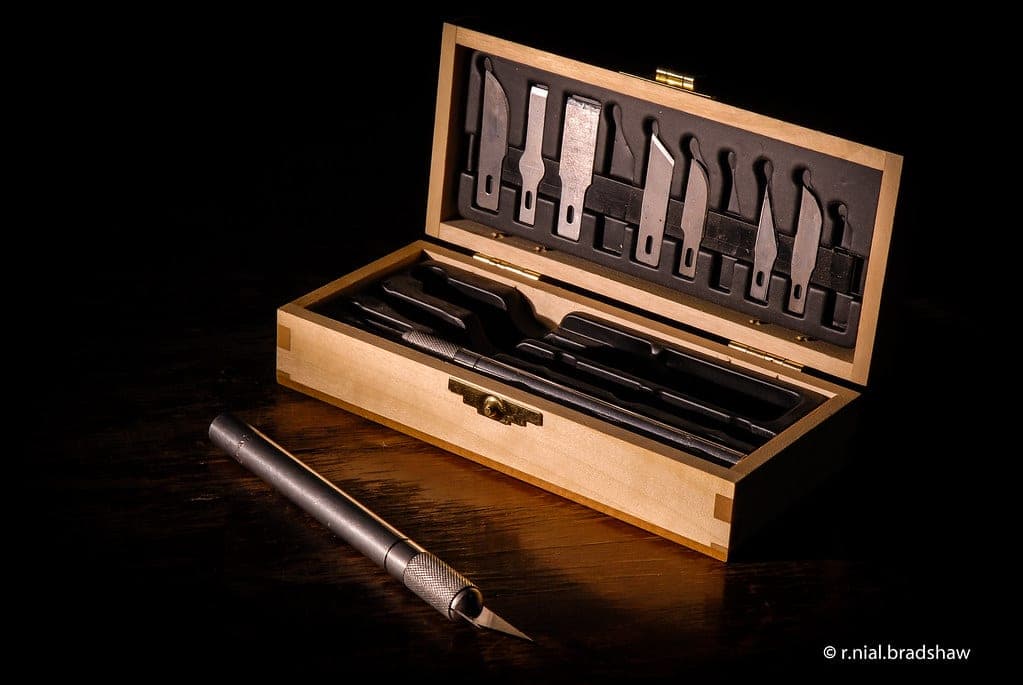
For your first kit you need four things: a single-blade nipper, a sharp hobby knife, sanding sticks and a cutting mat. Add panel liner and a matte topcoat next, since together they change how a kit looks more than anything else. Cement, files, scribers and paint can all wait.
The quick version
| # | Product | Best for | Score | Price |
|---|---|---|---|---|
| 1 |  Tamiya Sharp Pointed Side CutterSlim, pointed jaws that get into a crowded runner, in a tool sturdy enough to survive years of ordinary use. The sensible first buy. | Buy this first | 9.0 | Check price on Amazon |
| 2 | 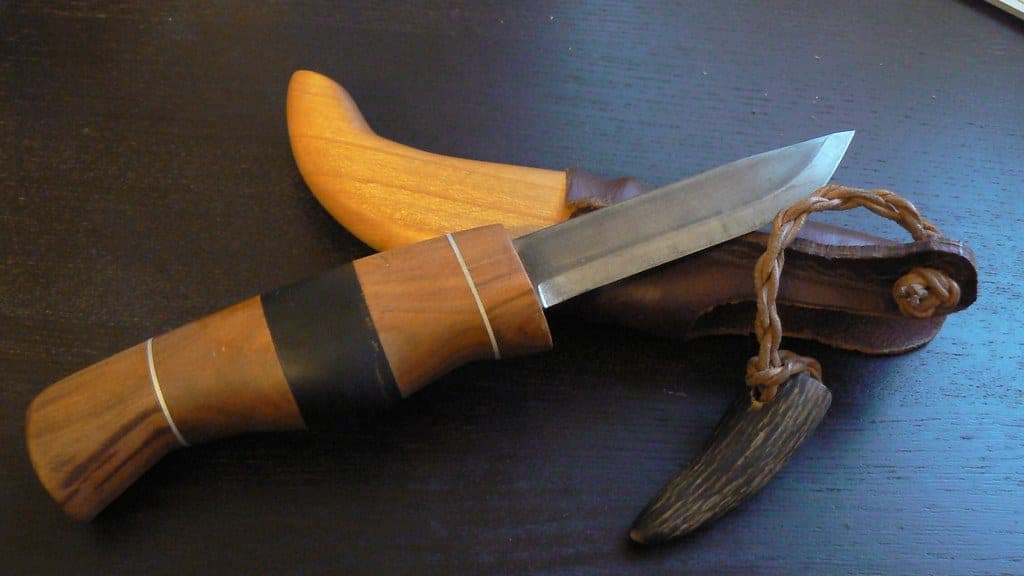 Olfa Art Knife (AK-4)A slim aluminum handle with a genuinely sharp, cheap, replaceable blade. The blade supply is the real argument — a dull knife is what tears plastic. | Cleaning up every cut | 9.2 | Check price on Amazon |
| 3 | 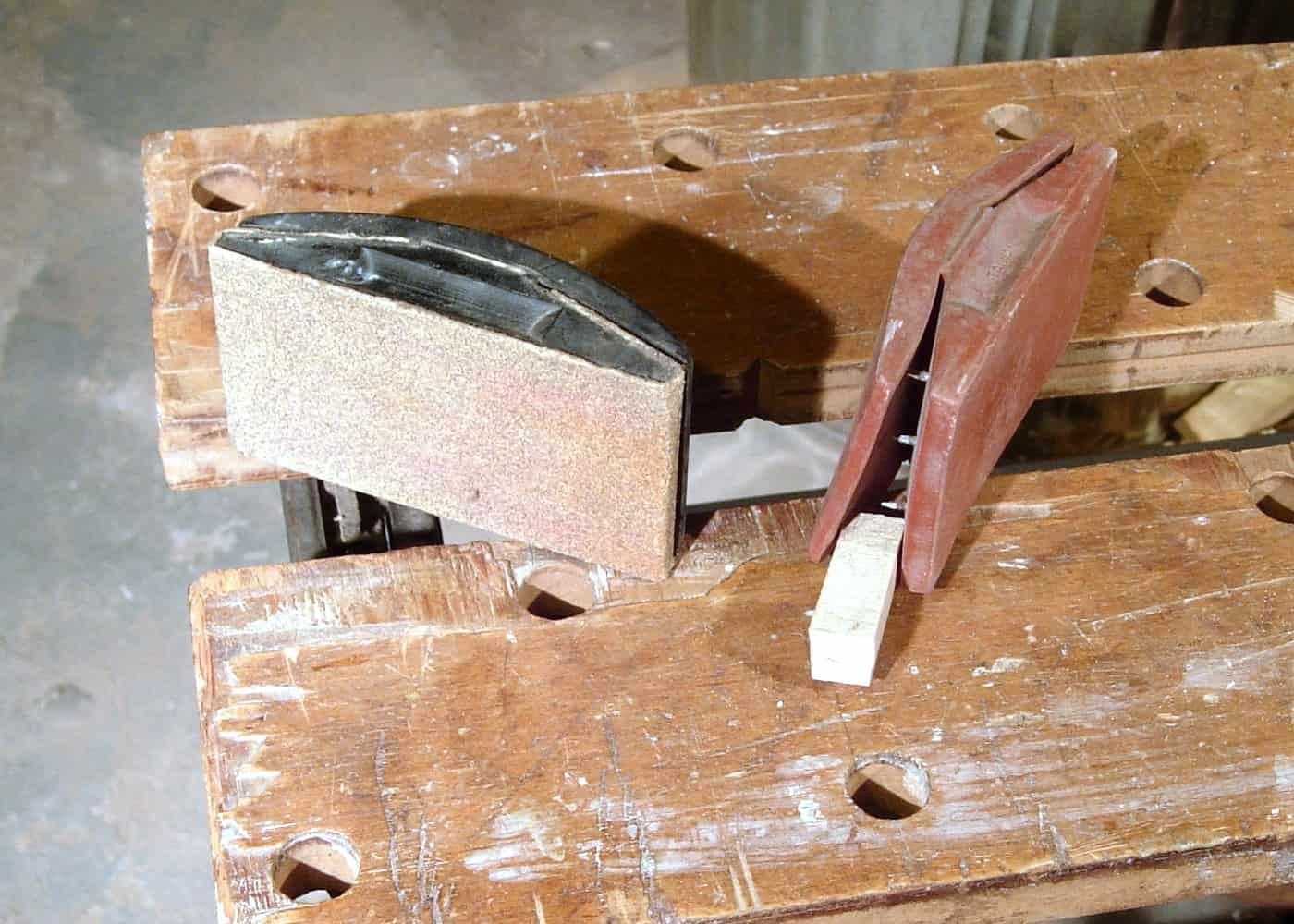 Hobby sanding sticks (assorted grits)Foam-backed abrasive on a stick, in a grit range from coarse to polishing. The thing that turns a visible nub into no nub at all. | Finishing the surface | 8.7 | Check price on Amazon |
| 4 | 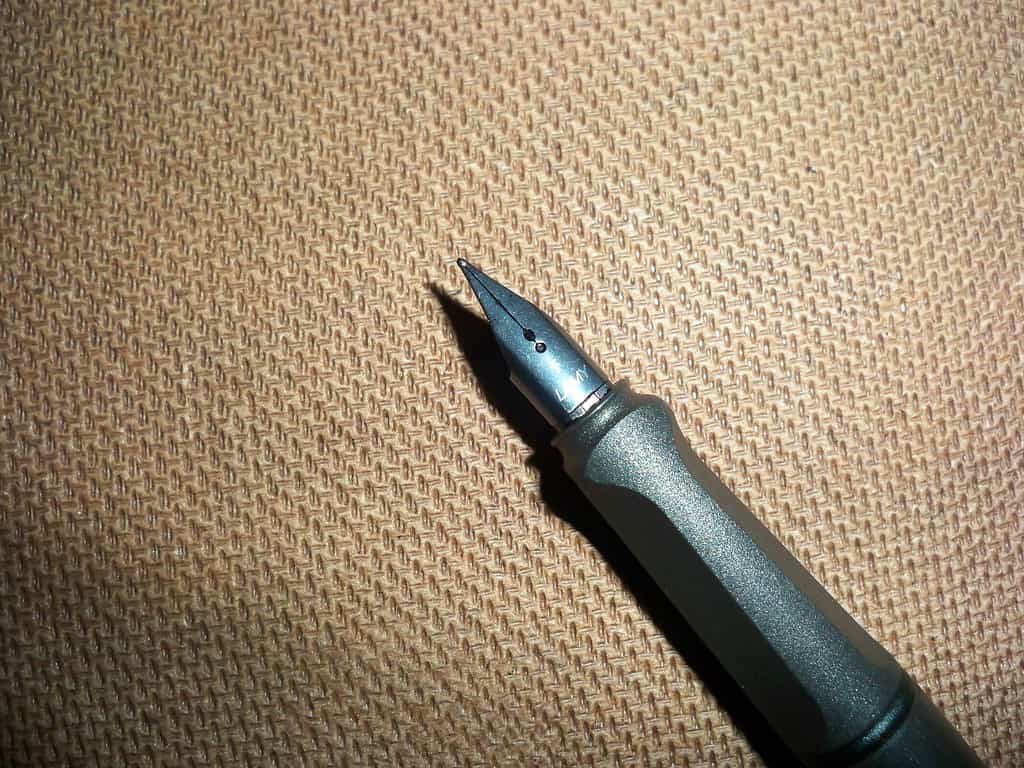 Tamiya Panel Line Accent ColorA very thin enamel that runs into every recess on its own and wipes back cleanly for hours. The best-looking panel lines available, with one real hazard attached. | The biggest visual upgrade | 9.0 | Check price on Amazon |
Scores are our own editorial read against the criteria stated below — not a lab measurement and not a user rating. Tap a row for the full write-up.
The buy-now list
1. A single-blade nipper. Everything else on this page is optional in a way this is not. A single blade shears against a flat anvil and leaves a flat cut; a double-blade cutter squeezes the gate and leaves a whitened stub on every part. Full reasoning in the nipper picks.
2. A hobby knife with replaceable blades. Its job is shaving the remaining nub flush. The important part is sharp: a fresh blade slices cleanly, a dull one tears plastic and leaves a white scar. Buy spare blades at the same time and change them far more often than feels necessary.
3. Sanding sticks. After the knife, the shaved area is flat but differently textured, so it catches light differently. A couple of passes with 400 then 800 grit makes it disappear. Sticks beat loose sandpaper because they stay flat and reach into recesses.
4. A cutting mat. Protects the table, stops parts skating away, and gives you a surface you can cut toward safely. A3 or bigger — A4 is smaller than the area you actually work in.
The buy-next list
Panel liner. The highest-impact purchase after the nipper. Running a liner into the molded recesses makes the surface detail read, and it takes about ten minutes on a kit. See how to panel line.
A matte topcoat. Removes the glossy plastic sheen that makes a bare kit look like a toy, and seals your panel lining and decals. Easily the second-biggest visible change — the topcoat picks.
Tweezers. Buy them the day you apply your first decal or sticker, and not before. Curved tips are more useful than straight.
Plastic cement. Only once you want to remove seam lines or build a kit that is not snap-fit. Extra-thin, applied by capillary action — the glue guide.
Markers or paint. For parts the kit did not mold in the right color. Markers are the gentler start on hard panels; the marker picks cover it.
The skip list, and why
- Twenty-piece tool bundles. The nipper inside is almost always double-blade, which is the one item you need to be good.
- Metal files. Sanding sticks do the same work with less risk of gouging soft plastic.
- Panel line scribers. A sharp tool for deepening existing lines. Genuinely useful, genuinely easy to slip with, and no help on your first three kits.
- A razor saw. For modification and conversion work, not for building.
- Nub-removal “magic” tools. A sharp knife and sanding sticks do this. See the cleanup guide.
- An airbrush. A long way down the road, and only if you decide to paint kits rather than build them. The honest version of that decision is in do you need an airbrush.
A complete first order
Nipper, knife plus spare blades, sanding sticks, A3 cutting mat, panel liner, and an HG kit. That total is usually less than one Master Grade kit and it is everything you need to produce a model you are pleased with.
Add the topcoat when the kit is built and you are deciding how to finish it. Add everything else when a specific kit gives you a specific reason.
Two safety notes worth the sentence
Hobby knives are sharper than kitchen knives and the injuries come from dull blades and cutting toward your fingers. Change blades often, cut away from yourself, and retract or cap the blade every single time you put it down.
Sanding produces fine plastic dust. It is not acutely dangerous, but do not sit in a cloud of it — wet sanding, or sanding over a damp cloth, keeps it down and gives a better finish at the same time.
The picks in full
Tamiya Sharp Pointed Side Cutter
Slim, pointed jaws that get into a crowded runner, in a tool sturdy enough to survive years of ordinary use. The sensible first buy.
What it gets right
- The pointed jaw reaches gates that a fat double-blade cannot get near
- Tough enough to cut thicker sprue without worrying about the blade
- Roughly a third of a God Hand, and it will not be the thing limiting your build quality
Who it is wrong for
- A double blade pinches, so it leaves more of a stress mark than a single blade
- You will still want a knife or a sanding stick to finish the nub
- Not as satisfying to use, which matters more than it should
Scored against this page’s criteria
Specs from the manufacturer: Tamiya product page
We do not publish prices. Amazon shows the current one, which is the only one that is ever right. #ad · how this is funded
Olfa Art Knife (AK-4)
A slim aluminum handle with a genuinely sharp, cheap, replaceable blade. The blade supply is the real argument — a dull knife is what tears plastic.
What it gets right
- Blades are cheap enough that you will actually change them, which is the whole game
- The 30-degree point gets under a nub without gouging the part
- Slim handle is comfortable for the long, careful passes nub removal needs
Who it is wrong for
- The slim barrel rolls off a desk, and a rolling scalpel is a genuine hazard
- Blades are brittle at that angle; levering with one snaps the tip
- No cap on some versions, so budget for a safety cap or a blade block
Scored against this page’s criteria
We do not publish prices. Amazon shows the current one, which is the only one that is ever right. #ad · how this is funded
Hobby sanding sticks (assorted grits)
Foam-backed abrasive on a stick, in a grit range from coarse to polishing. The thing that turns a visible nub into no nub at all.
What it gets right
- Foam backing follows a curved surface instead of flattening it
- A progression of grits removes the nub AND the sanding marks it leaves
- Usable wet, which stops the clogging and the plastic dust
Who it is wrong for
- Coarse grits leave scratches that will show through paint unless you work up through the finer ones
- Sticks wear out and clog; they are consumables
- Sanding a painted or pre-colored part means repainting it, which beginners discover the hard way
Scored against this page’s criteria
We do not publish prices. Amazon shows the current one, which is the only one that is ever right. #ad · how this is funded
Tamiya Panel Line Accent Color
A very thin enamel that runs into every recess on its own and wipes back cleanly for hours. The best-looking panel lines available, with one real hazard attached.
What it gets right
- Flows further and finer than any marker — the line looks molded rather than drawn
- Stays wipeable for a long window, so mistakes are genuinely fixable
- One 40 ml bottle will outlast dozens of kits
Who it is wrong for
- The enamel thinner inside attacks acrylic paint — a painted kit MUST be gloss-coated first or the paint lifts
- Pooled enamel can craze stressed bare plastic, particularly around stress marks
- Needs ventilation; it smells strongly and the vapor is not pleasant
Scored against this page’s criteria
Specs from the manufacturer: Tamiya product page
We do not publish prices. Amazon shows the current one, which is the only one that is ever right. #ad · how this is funded
FAQ
Questions people actually ask
What is the minimum tool set for Gunpla?
Do I need a file for Gunpla?
What is the best upgrade after basic tools?
Do I need a scriber or razor saw?
Is a hobby knife dangerous?
More in Model Kit Tools for Gunpla and Scale Models, or start from the beginning with what to buy first.
Sources
- Tamiya — tools, cement and panel line accent colorchecked October 2026
- Bandai Spirits / Gundam official kit and grade informationchecked October 2026
- GSI Creos / Mr. Hobby — Mr. Super Clear and marker rangechecked October 2026