Plastic Cement vs Super Glue
One welds plastic to plastic. The other sticks anything to anything. Using the wrong one is the most common reason an arm falls off six months later.
The short answer
Plastic cement for polystyrene to polystyrene: it melts both surfaces and they fuse, so the joint is as strong as the plastic itself. Super glue for everything else, including resin, metal, ABS and any join between two different materials, because cement simply will not touch them.
The quick version
| # | Product | Best for | Score | Price |
|---|---|---|---|---|
| 1 | 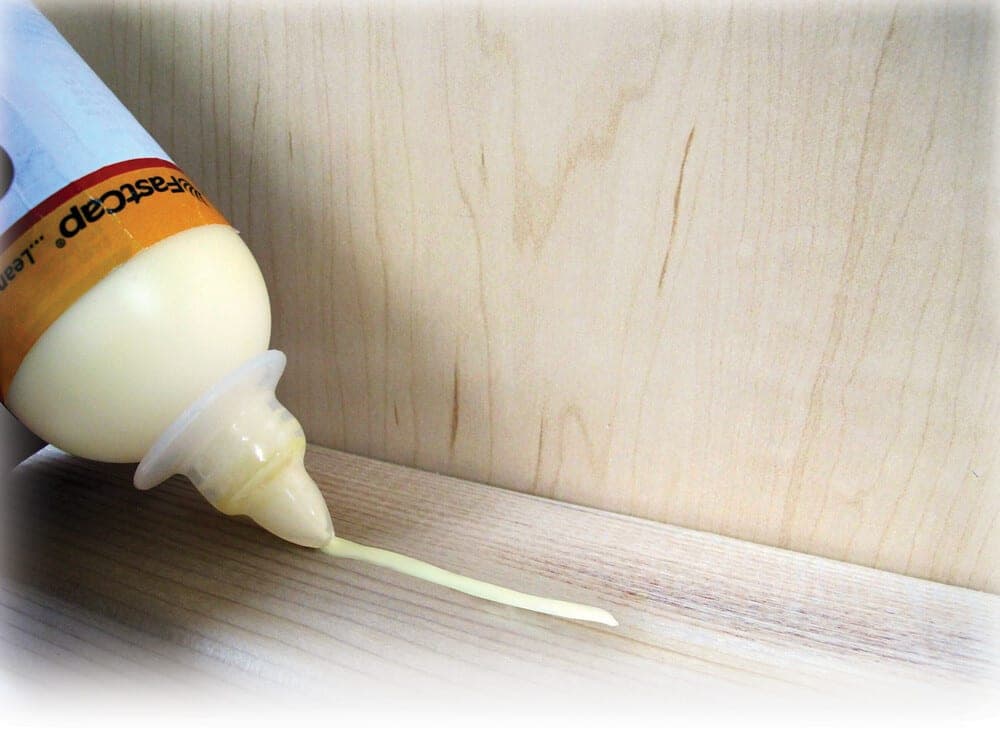 Tamiya Extra Thin CementA solvent that welds plastic to itself by melting both faces. It is not glue and does not behave like glue, and for styrene kits nothing else comes close. | Best for polystyrene kits | 9.4 | Check price on Amazon |
| 2 | Cyanoacrylate gel (super glue, gel formula)The glue for everything solvent cement cannot touch. The gel formula is the one to buy: it stays where you put it instead of running into detail. | Best for resin, metal and mixed materials | 8.7 | Check price on Amazon |
Scores are our own editorial read against the criteria stated below — not a lab measurement and not a user rating. Tap a row for the full write-up.
Two completely different things
Plastic cement is a solvent, not a glue. It contains chemicals that dissolve polystyrene. Apply it to two mating surfaces, press them together, and the softened plastic from each side intermingles and re-hardens as a single piece. There is no glue layer in the finished joint — the parts are welded. This is why a properly cemented seam can be sanded completely invisible.
Super glue is an adhesive. Cyanoacrylate cures into a hard plastic film when it meets trace moisture, and that film grips both surfaces mechanically. The parts stay two parts with a rigid layer between them. It bonds almost anything, and the bond is strong in tension but brittle under shear and shock.
The material chart that decides it
| Joining | Use | Why |
|---|---|---|
| Polystyrene to polystyrene | Plastic cement | Welds the parts; seam can be sanded invisible |
| Resin to resin | Super glue | Cement does not dissolve resin at all |
| Metal to anything | Super glue | Nothing to dissolve; pin the joint if it carries weight |
| ABS (some Gunpla frames) | Super glue | Styrene cement is unreliable on ABS and can craze it |
| Clear parts and canopies | PVA or a clear-part adhesive | Both cement and cyanoacrylate fog clear plastic |
| Photo-etch to plastic | Super glue | Different materials, no solvent weld possible |
| Basing rocks, flock, sand | Super glue or PVA | PVA for scatter, super glue for weight |
How they behave in the hand
Thin cement flows. The modern capillary type is applied with a brush to the outside of a joint you are already holding together, and it wicks into the seam by itself. That changes the workflow: you dry-fit, clamp with fingers, then touch the brush to the seam. No squeeze-out, no fingerprints in glue.
Super glue grabs. Seconds to tack, minutes to full strength. Thin cyanoacrylate runs everywhere; the gel formula stays where you put it, which is why gel is the version worth owning for models. Accelerator sprays cure it instantly, at the cost of a slightly more brittle and sometimes frosted joint.
Repositioning. Cement gives you a few seconds of softened plastic you can nudge. Super glue gives you almost none. For a long seam that must align, cement wins on working time alone.
Fumes and residue. Cement smells strongly and wants ventilation. Super glue fumes can leave a white frosted bloom on nearby surfaces as they cure — irritating on a canopy, invisible under primer.
Which is actually stronger
On polystyrene, cement, and not by a small margin. A welded seam fails by breaking the plastic somewhere else; a cyanoacrylate joint on the same parts fails at the glue line under a sharp knock. If you have ever had a Gunpla arm snap off cleanly at the joint, it was probably super glue.
On anything that is not polystyrene, super glue wins by default because cement produces no bond at all. For heavy metal parts, no adhesive is really enough on its own — drill and pin the joint with a short length of brass rod and let the glue hold the pin.
The Gunpla footnote
Gunpla snap-fits. The whole point of the kit is that it needs no glue, so a first build needs neither product, as the Gunpla tool list says. Glue enters the picture when you start seam-filling, which is a deliberate choice: cement the halves of a forearm together, sand the seam flat, and the part reads as one piece instead of two.
Bandai uses more than one plastic in a kit. Outer armour is usually polystyrene and takes cement; inner frames are often ABS, which styrene cement can craze and weaken. If you are not sure which you are holding, super glue is the safe choice.
The verdict
Own both. Together they cost less than one box of models and they cover different halves of the job: a bottle of thin capillary cement for polystyrene kit assembly, and a tube of cyanoacrylate gel for resin, metal, ABS, photo-etch and basing.
If forced to buy one and you build plastic kits, buy the cement. If you buy and convert resin miniatures, buy the gel. The full ranked comparison, including the thick and slow-setting cement variants, is in the best model glue.
Cement comes in more than one viscosity
Extra thin / capillary cement. Water-thin, applied by brush to the outside of an already-closed seam, wicks in by itself. The default for kit assembly and the one to own first.
Standard tube cement. Thicker, applied before closing the joint. Slower to set, which is useful on a long seam that needs aligning, and it fills a small gap that thin cement would not.
Slow-setting cement. Deliberately extended working time for large assemblies — a hull, a wing, a big resin-and-plastic conversion.
A useful trick with thin cement: press two parts together hard enough to squeeze a bead of melted plastic out of the seam, let it harden fully for a day, then sand the bead flat. The seam disappears completely, which is the whole reason seam-filling is done with cement rather than filler where possible.
The cyanoacrylate accessories worth knowing
Accelerator cures super glue instantly on contact. Useful for holding an awkward part in position, at the cost of a more brittle joint and sometimes a white bloom around it.
Debonder dissolves cured cyanoacrylate, which is how you separate a part glued in the wrong place, or your fingers from a model.
Baking soda sprinkled onto wet super glue sets it instantly into a hard, sandable filler. It is the cheapest gap filler in the hobby and it is stronger than most putties, though it sands harder than the surrounding plastic.
The picks in full
Tamiya Extra Thin Cement
A solvent that welds plastic to itself by melting both faces. It is not glue and does not behave like glue, and for styrene kits nothing else comes close.
What it gets right
- Creates a true weld, so the seam is as strong as the plastic and can be sanded invisible
- Flows into an assembled joint by capillary action — you glue after fitting, not before
- The brush-in-cap applicator is far more controllable than any nozzle
Who it is wrong for
- Does nothing on resin, ABS, PETG or metal — it needs polystyrene to dissolve
- Too much and it melts surface detail or fogs clear parts
- Strong solvent smell; it wants a ventilated room
Scored against this page’s criteria
Specs from the manufacturer: Tamiya product page
We do not publish prices. Amazon shows the current one, which is the only one that is ever right. #ad · how this is funded
Cyanoacrylate gel (super glue, gel formula)
The glue for everything solvent cement cannot touch. The gel formula is the one to buy: it stays where you put it instead of running into detail.
What it gets right
- Bonds resin and metal, which is most of what a solvent cement will refuse
- Gel does not wick into recesses and ruin the detail around the joint
- Doubles as a gap filler, especially with a dusting of baking soda
Who it is wrong for
- A brittle bond — it shears under stress where a solvent weld would flex
- Fogs clear parts and leaves a white bloom on dark surfaces
- Glues fingers to models with total reliability
Scored against this page’s criteria
We do not publish prices. Amazon shows the current one, which is the only one that is ever right. #ad · how this is funded
FAQ
Questions people actually ask
Can I use super glue instead of plastic cement?
Does plastic cement work on resin miniatures?
Which glue for Gunpla?
Why did my clear canopy fog up?
Is gel or liquid super glue better for models?
More in Model Kit Tools for Gunpla and Scale Models, or start from the beginning with what to buy first.
Sources
- Tamiya — Craft Tools: side cutters, Extra Thin Cement and Mark Fitchecked October 2026