The Best Basing Materials for Miniatures
A base takes ten minutes and changes how finished the whole model looks. These are the materials that do the work, ranked by how much result they give per minute spent.
The short answer
Start with a pot of texture paint. One thick coat over a bare base gives a full stone or earth surface in about thirty seconds a model, and it dries ready to drybrush. Add a static grass and tuft set second for variation, and cyanoacrylate gel for anything with weight — rocks, cork, skulls.
The quick version
| # | Product | Best for | Score | Price |
|---|---|---|---|---|
| 1 |  Citadel Texture: Astrogranite (24 ml)Grit suspended in dark gray paint. One thick coat turns a bare plastic disc into stone, dry and paintable in an hour with nothing to glue. | Best overall: fastest route to a finished base | 8.6 | Check price on Amazon |
| 2 | Static grass and flock basing setTufts, static grass and scatter in a few shades. The cheapest way to make thirty identical bases stop looking like thirty identical bases. | Best for variety and realism | 8.4 | Check price on Amazon |
| 3 | 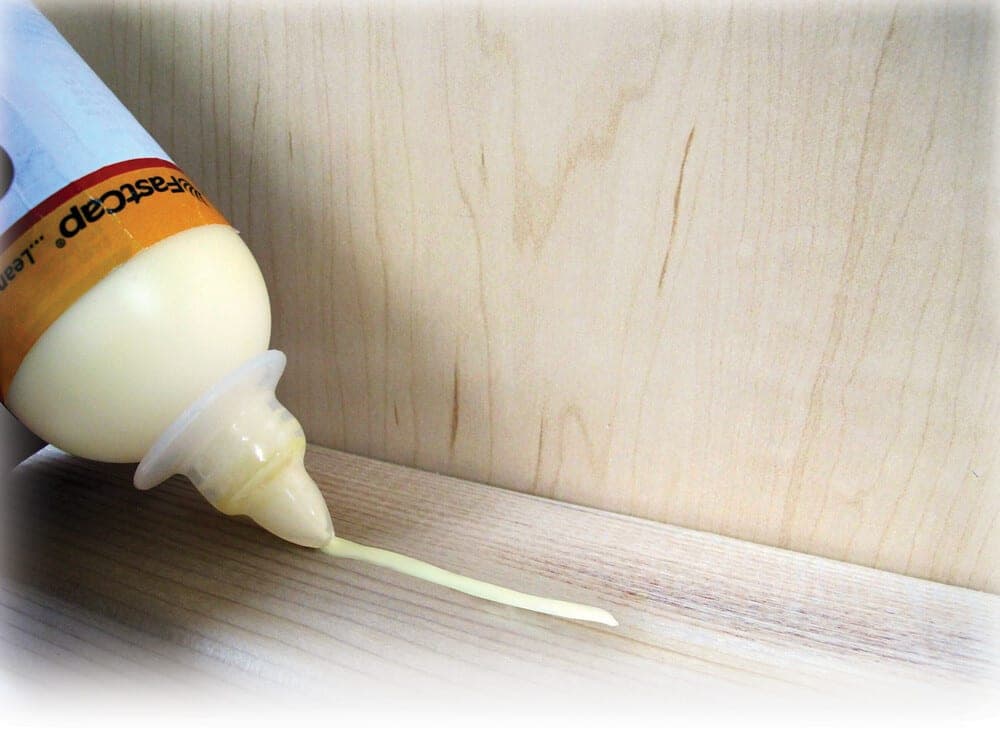 Cyanoacrylate gel (super glue, gel formula)The glue for everything solvent cement cannot touch. The gel formula is the one to buy: it stays where you put it instead of running into detail. | Best for attaching rocks and heavy debris | 8.7 | Check price on Amazon |
Scores are our own editorial read against the criteria stated below — not a lab measurement and not a user rating. Tap a row for the full write-up.
Why bases are worth ten minutes
A well-painted model on a bare black base looks unfinished, and a competently painted model on a textured, grassed base looks deliberate. The base is also the most forgiving part of the model: nobody inspects a base for blending, so it is nearly all result and almost no risk.
It is cheap, too. The materials below do dozens of bases each, which works out to a few cents per model — the best value-for-effort upgrade in the hobby, and well inside the budget framework in what it costs to start painting Warhammer.
Texture paint: the one to buy first
Texture paint is thick acrylic loaded with grit. You glop it onto the base with an old brush or a spatula, spread it roughly, and leave it. It dries as stone, cracked earth or gravel depending on the formula, and a quick drybrush of a lighter tone lifts the aggregate.
The appeal is speed and tidiness. There is no loose sand to vacuum up, no glue to dry before the next step, and a unit of ten bases is done in a few minutes. For an army project, this is the material that makes basing actually happen rather than remaining a permanent to-do.
The honest downside is cost per base. A 24 ml pot does a reasonable number of 32 mm bases but it is pricier per base than sand and PVA, and if you are basing a horde the economics shift. It also comes in a fixed palette of looks, so two armies based with the same pot look related whether you wanted that or not.
Static grass, flock and tufts
Static grass is short synthetic fibre, typically 2 mm and 4 mm, applied to a patch of diluted PVA. Flock is finer, closer to coloured sawdust, and covers more evenly. Tufts are pre-made clumps on a backing you simply glue down, which is the fastest version of all.
The visual job is the same: break up a flat surface and add a second colour. A base that is entirely one grey texture reads as a disc; the same base with two small grass patches reads as a piece of ground.
Use it sparingly and asymmetrically. Two or three patches off-centre look natural; full coverage looks like a putting green. Dilute PVA about two parts to one with water so it flows into the texture rather than sitting as a visible bead, and tip the excess fibre back into the pot.
Glue: the part people get wrong
PVA for scatter. Sand, grass, flock, small gravel. It dries clear, flexes a little, and costs almost nothing.
Cyanoacrylate gel for weight. Cork bark, resin skulls, slate chips, anything with mass that will shear off a PVA bond the first time the model goes in a case. Gel rather than liquid, because liquid runs into the texture and leaves a shiny patch.
Nothing at all for texture paint. It is paint; it sticks on its own.
The material rules behind that are the same ones in plastic cement vs super glue — solvent cement has no role on a base because none of these materials are polystyrene.
The materials that cost nothing
Play sand from a hardware store, sieved into coarse and fine, is the original basing material and still one of the best. Cork bark torn into chips makes convincing rock. Broken slate, dried tea leaves, and the sprue offcuts you were going to bin all have a use.
The trade is time and mess. Sand needs PVA, drying time, a second pass to seal it, and a vacuum afterwards. Texture paint skips all of that, which is precisely what you are paying for.
The order of operations
Base last, almost always. Paint the model, then do the base, then the rim. Working the other way means dragging a brush across finished texture and catching fibres in wet paint.
Then seal it. Static grass sheds and texture paint chips at the rim, and a coat of matt varnish over the finished base stops both — see how to seal miniatures. Paint the rim a flat colour last of all; it is the frame around the picture and a tidy rim makes an average base look intentional.
The full step-by-step, including rim colour choices and how to blend a base into a unit scheme, is in how to base miniatures.
What to buy first
One pot of texture paint in a neutral stone or earth tone, one mixed static grass and tuft set, and the tube of cyanoacrylate gel you probably already own from assembly. That is a complete basing kit for well under the price of a single box of models, and it will base an entire first army.
Add a second texture tone later if you want snow, ash or desert, and a drybrush from the drybrush picks to bring out the aggregate. Nothing else on a basing shelf earns its place as quickly.
Matching the base to the army
Grassland and ruins. Grey or brown texture, a drybrush of bone, two patches of static grass. The default for most fantasy and 40k forces and the fastest scheme to batch.
Desert. Fine sand or a sand-toned texture paint, drybrushed up with an off-white, and dried tufts instead of green grass. Skip the flock entirely if you want it to read as genuinely arid.
Snow. Finish the base completely first — texture, drybrush, the lot — and add snow effect paste last, only on the upward-facing surfaces. Snow applied before the drybrush ends up grey.
Urban and industrial. Cork chips for broken concrete, a little coarse sand for rubble, and a square of plasticard scored into tiles for a pavement section. The cheapest themed base there is.
Whatever the theme, keep it identical across the whole force. Consistent bases are what make a collection painted over two years look like one army.
The picks in full
Citadel Texture: Astrogranite (24 ml)
Grit suspended in dark gray paint. One thick coat turns a bare plastic disc into stone, dry and paintable in an hour with nothing to glue.
What it gets right
- No glue, no sand, no mess — the fastest route from bare base to finished base
- Already the right color, so drybrushing a highlight is optional rather than required
- Shrinks as it dries into convincing cracks, which is free detail
Who it is wrong for
- Eats brushes; use one you have already retired
- 24 ml does not go far on 40 mm and vehicle bases, and it is expensive per ml
- Every base looks like every other base unless you break it up with a second material
Scored against this page’s criteria
Specs from the manufacturer: Citadel product page
We do not publish prices. Amazon shows the current one, which is the only one that is ever right. #ad · how this is funded
Static grass and flock basing set
Tufts, static grass and scatter in a few shades. The cheapest way to make thirty identical bases stop looking like thirty identical bases.
What it gets right
- Costs very little per base and transforms how a finished model reads at tabletop distance
- Mixing two shades instantly kills the uniform look a single texture paint gives you
- Pre-made tufts need no technique at all — a dot of glue and tweezers
Who it is wrong for
- Loose flock gets everywhere and sticks to wet paint across the whole desk
- Unsealed grass sheds; it wants a dilute PVA or matte varnish overspray to stay put
- Too much of it reads as a lawn and buries the model's silhouette
Scored against this page’s criteria
We do not publish prices. Amazon shows the current one, which is the only one that is ever right. #ad · how this is funded
Cyanoacrylate gel (super glue, gel formula)
The glue for everything solvent cement cannot touch. The gel formula is the one to buy: it stays where you put it instead of running into detail.
What it gets right
- Bonds resin and metal, which is most of what a solvent cement will refuse
- Gel does not wick into recesses and ruin the detail around the joint
- Doubles as a gap filler, especially with a dusting of baking soda
Who it is wrong for
- A brittle bond — it shears under stress where a solvent weld would flex
- Fogs clear parts and leaves a white bloom on dark surfaces
- Glues fingers to models with total reliability
Scored against this page’s criteria
We do not publish prices. Amazon shows the current one, which is the only one that is ever right. #ad · how this is funded
FAQ
Questions people actually ask
What is the easiest way to base miniatures?
What glue do you use for basing?
How much static grass do I need?
Should I base before or after painting the model?
Do I need to seal a finished base?
More in Model Kit Tools for Gunpla and Scale Models, or start from the beginning with what to buy first.
Sources
- Games Workshop — Citadel Texture rangechecked October 2026