
Best hobby lamp
The Best Lamp for Painting Miniatures
Task lamps ranked for brightness, color accuracy and shadow control — including the cheap two-lamp trick.
Top pick: Brightech LightView Pro FlexCheck price on Amazon
The bench you paint at. A wet palette and decent light change more about your painting than any new brush will.
4 ranked roundups5 comparisons and guides

This is the category people buy last and should buy second. A wet palette and a decent lamp will improve your painting more than upgrading from a synthetic brush to a sable, because they fix two problems that are not about skill: paint drying before you can use it, and not being able to see what you are doing.
In order: a wet palette, then light, then a handle, then storage.
A wet palette is a sealed tray with a damp sponge under a permeable membrane. Paint sits on the membrane and wicks water from below, so it stays workable for hours instead of skinning over in ninety seconds. If you have ever wondered why your paint goes claggy halfway through a model, this is the entire answer. It is the single highest-value purchase on this page, and what a wet palette actually does explains why before you spend anything.
Light is next, and the thing to understand is that two mediocre lamps beat one excellent lamp. The problem with hobby lighting is not brightness — it is the shadow your own painting hand casts over the exact spot you are working on. One lamp cannot fix that, however good. Two lamps on opposite sides of the desk, beams crossed, fix it completely. See the lamp picks, which also cover what to look for in a bulb — in short, 5000–6000 K and CRI 90 or better.
A painting handle stops you holding the model by the part you just painted. Any handle beats no handle; a wine cork and some poster putty genuinely works. Buy a real one when your wrist starts complaining, and see the honest handle comparison first.
Everything here is one of three things: something that keeps paint usable, something that helps you see, or something that holds a model or a bottle. Those are different problems and they do not substitute for each other, which is why there is no single thing to buy.
The seeing half splits again into light and magnification, and the two get conflated constantly. More light does not make small things bigger, and a magnifier does not help if the area is in shadow. If your eyes are the limiting factor rather than your hands, a magnifier is the purchase, and the combined magnifier-lamps are genuinely good value because they solve both at once.
The holding half — handles, racks, cases, mats — is pure quality of life until the moment you need to transport an army, at which point a case stops being optional.
For wet palettes, it is the seal. A sealed lid keeps paint usable for days; a snap-on lid keeps it usable overnight at best. That is the whole difference between the cheap and the expensive palettes, and it is a real difference rather than a branding one. Mold resistance is the second factor — cheap sponges go green, and a moldy palette is a palette you stop using. Our wet palette troubleshooting covers both.
For lamps, it is CRI — how faithfully the light renders color. An office lamp at CRI 80 makes reds look brown and makes you mix the wrong highlight. CRI 90+ is the threshold worth paying for; CRI 98 is for people judging micro-glazes on display pieces and is wasted money on rank-and-file infantry.
For storage, it is foam type. Pluck foam fits anything and abrades thin spears and banners over many trips. Pre-cut trays protect better and only fit the models they were cut for. Magnetic trays are kindest to paint and most expensive.
Buying a palette too big for the desk, and a lamp with no CRI figure quoted anywhere. The first sounds trivial and is the reason large palettes end up in cupboards; measure the space next to your model before buying, not after. The second is the one that actually costs you — if a seller does not publish a CRI number, assume it is around 80, which is not good enough to mix a highlight under.
The other mistake is treating this category as optional while buying a fourth brush. Setting the bench up properly costs less than a sable brush and changes more.
Task lamps ranked for brightness, color accuracy and shadow control — including the cheap two-lamp trick.

Painting handles ranked by grip, model size and whether they hold an unbased model — plus the DIY alternative.

Paint racks ranked for mixed bottle shapes, desk footprint and how fast you can find a color.

Sealed wet palettes ranked by hydration, mold resistance and desk footprint — plus when a DIY one is enough.
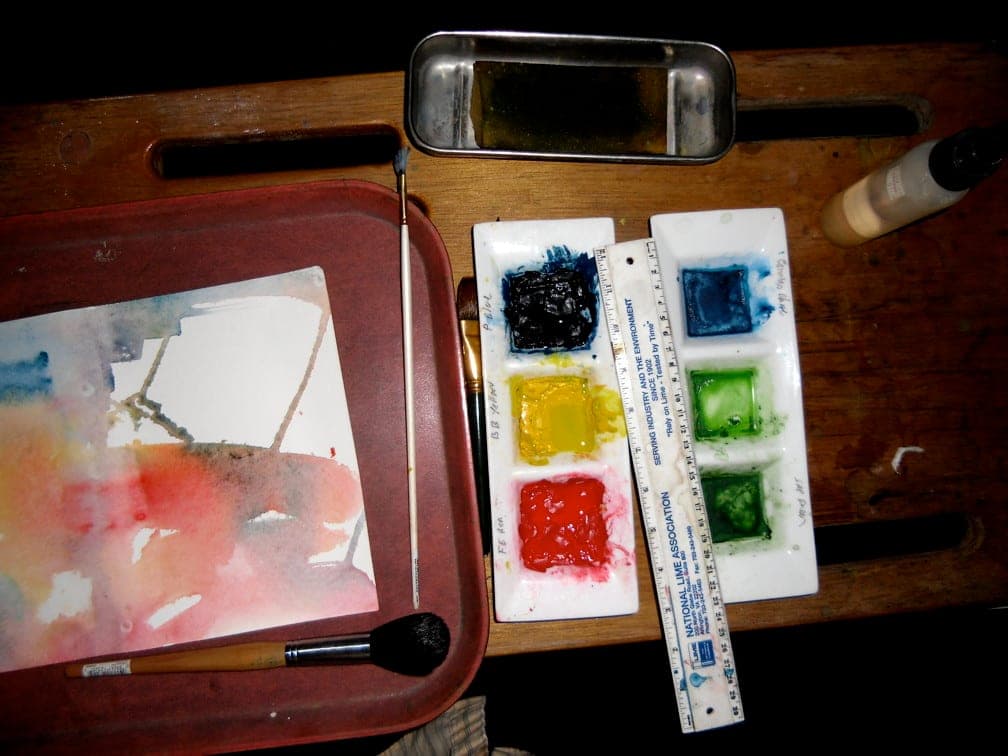
The premium sealed palette against the cheaper large one — seal, membranes, mold resistance and who should buy which.

When magnification is the right fix, head visors against lamp magnifiers, and the working-distance catch nobody mentions.
The case for buying a wet palette first rather than third, plus the DIY build and when a dry palette is genuinely fine.
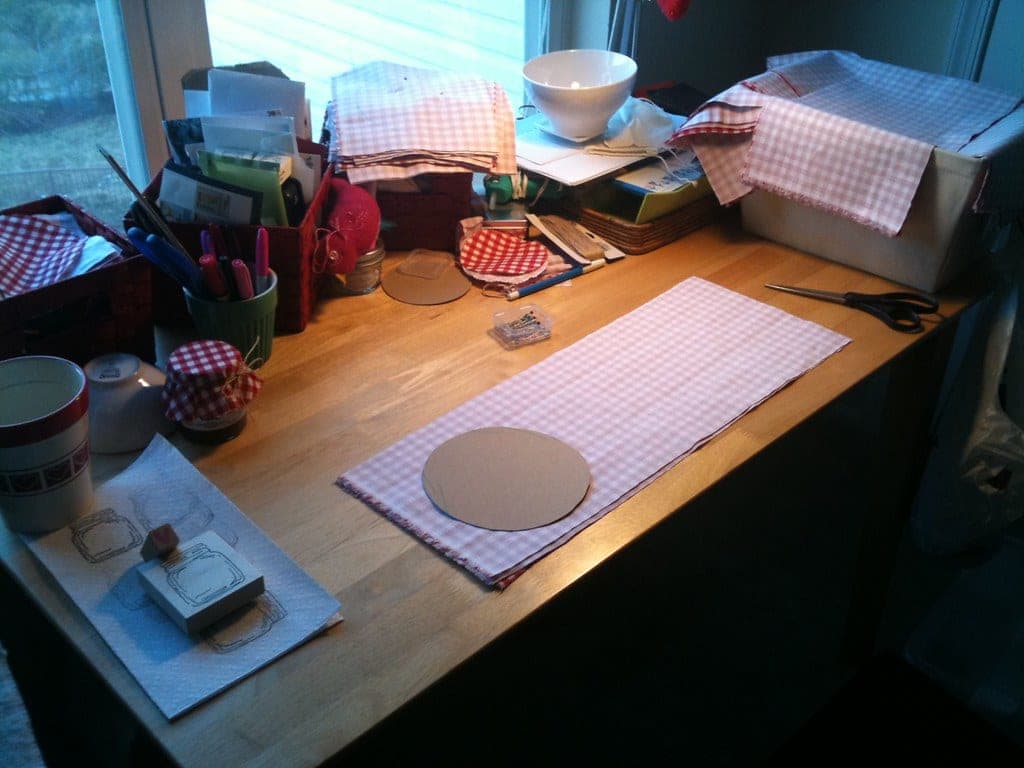
Lighting placement, reach zones, ventilation and the pack-up-in-five-minutes setup for a shared table.

Foam versus magnetic storage, what a topcoat really protects against, and how to pack an army so it arrives intact.
Where this sits in the build