Best metallics
The Best Metallic Paints for Miniatures
One dark silver does most of the work. Which to buy, and when a lacquer metallic earns its hassle.
Top pick: Citadel Base: LeadbelcherCheck price on Amazon
Which set to buy first, why the three big brands are not interchangeable, and the twelve colors that actually finish a first squad.
6 ranked roundups11 comparisons and guides

A wall of paint pots is the first thing that stops people. There are several hundred colors across three main brands, the names tell you nothing, and the staff member who says “just get the starter set” never explains which one or why. So here is the orientation, before any product gets named.
A finished miniature needs four things from a paint range, and only four. It needs opaque basecoats that cover the primer in one or two passes. It needs a wash to flow into recesses and create shadow, which is the single biggest step up in how finished a model looks. It needs one or two lighter tones of your main colors for highlights. And it needs a metallic, because almost every miniature has something metal on it.
That is roughly twelve pots. Not fifty. A twelve-paint set that covers those four jobs will finish an army; forty individually chosen colors will leave you without a wash and unable to make anything look done. If you remember one thing from this page, remember that the wash is not optional and the fortieth color is.
Modern miniature paint splits into two genuinely different technologies, and buying the wrong one for your goal is the expensive mistake.
Conventional acrylics — Citadel Base and Layer, Army Painter Warpaints Fanatic, Vallejo Game Color — work the way you expect paint to work. You basecoat, you wash, you highlight. More control, more steps, and the only route to smooth blends.
One-coat paints — Citadel Contrast and Army Painter Speedpaint 2.0 — basecoat and shade in the same pass. They are transparent, heavily pigmented, and they pool in recesses on their own. Over a light primer, one brushful turns a bare arm into a finished arm. They will not give you crisp highlights or smooth transitions, and they need a light primer to do anything at all. For a first army that you want to look finished rather than perfect, they are the fastest honest route there is. Our Speedpaint vs Contrast comparison covers which of the two to pick.
Most people end up with both: one-coat paints for the bulk of the army, conventional acrylics for the models they care about. You do not need both on day one.
Paint is priced per milliliter, and the ranges differ by roughly a factor of two for chemistry that is much more similar than the price gap suggests. A Citadel pot holds 12 ml. An Army Painter or Vallejo dropper bottle holds 17 or 18 ml for less money. If cost per milliliter is what matters to you, that question is already answered and the answer is not Citadel.
What you are paying Citadel for is the naming. Every official painting guide, every box-art recipe and a very large share of the tutorials on the internet name Citadel colors. Starting with Citadel means a tutorial that says “basecoat Macragge Blue” is a literal instruction rather than a translation exercise. That is worth real money to a beginner and almost nothing to someone two years in — which is exactly why so many painters start on Citadel and drift to Vallejo. The three-way brand comparison puts the numbers side by side, and the conversion chart is what you need if you go cheap and still want to follow Citadel tutorials.
The other real cost difference is pots versus droppers. A flip-top pot is faster to dip into and dries out from the lid in over a year or two. A dropper bottle gives you precise control, never skins over, and needs a shake before every use. Painters are genuinely split on this; nobody is wrong.
The mistake is buying colors instead of buying a system. Twenty individually chosen colors with no wash, no primer and no metallic is a common and miserable starting point: every model gets to about eighty percent finished and then stops, because the step that makes a miniature look done is the wash you did not buy.
The second mistake is buying a faction-specific starter set for a faction you are not painting. The Citadel 40,000 set is excellent and it is thirteen colors chosen for Ultramarines and Tyranids. Painting Orks with it means buying most of your palette again.
Start with a set that matches your army, add one brown wash and one black wash, and buy your next color when a model actually needs it. For how many pots that works out to, see how many paints you need to start. If you are building model kits rather than painting miniatures, Gunpla paint works differently and that page is the one you want.
One dark silver does most of the work. Which to buy, and when a lacquer metallic earns its hassle.
Which first paint set actually finishes a model, ranked on coverage, cost per milliliter and whether tutorials will match.
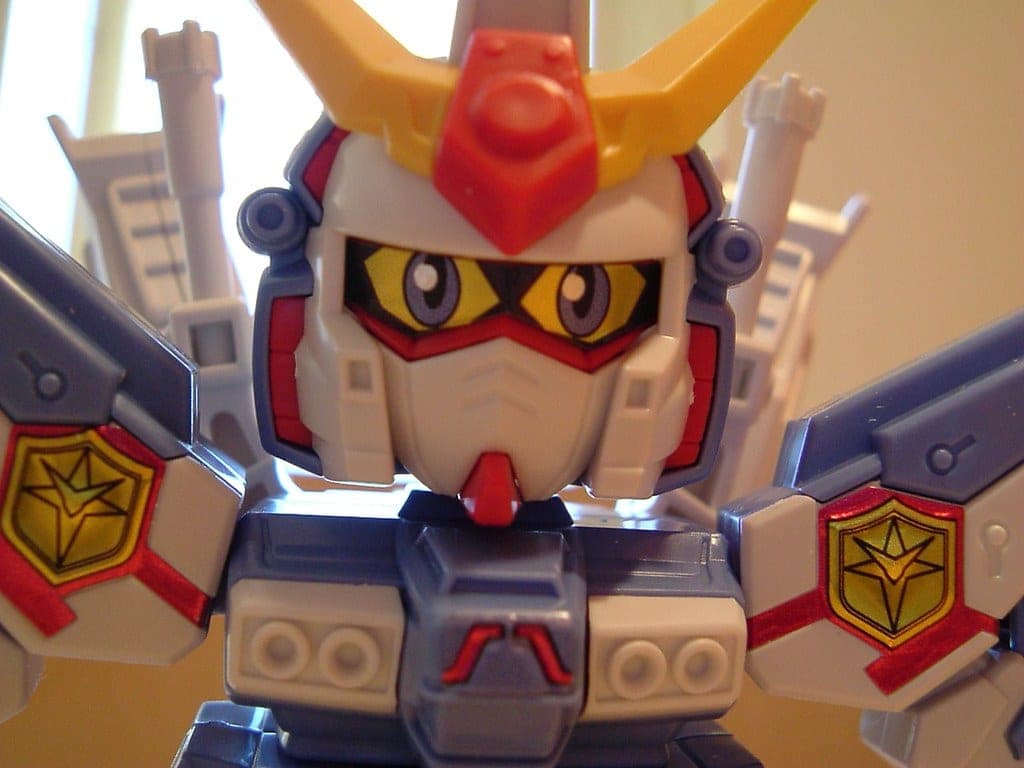
Markers, acrylics or airbrush — what to paint a Gunpla kit with, and why miniature acrylics are the wrong tool.

Markers get a kit finished in an evening with no setup. Which types do what, and where they stop working.
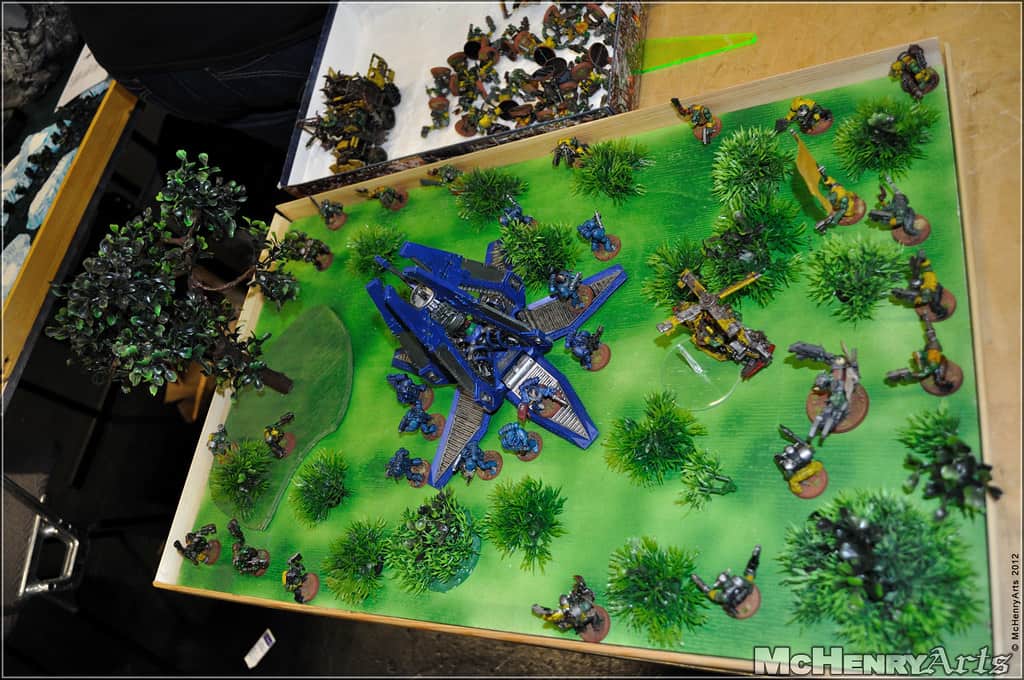
The paint sets that genuinely cover a Warhammer 40,000 scheme, and which faction each one suits.
Washes do more for a model per minute than anything else. Which two to own, and the schemes each one ruins.

The three model paint chemistries, what each is good at, and the layering order that stops one dissolving another.
The two main budget dropper ranges compared — coverage, bottle design, breadth and which starter set is better value.
Cost per milliliter, bottle format, coverage and tutorial support compared across the three big miniature paint ranges.
The price gap, what it buys, and when switching from Citadel to Vallejo stops costing you anything.
One-coat paints compared: coverage, primer requirements, blotching, cost and which is right for a first army.
What 2.0 fixed, why Speedpaint blotches, and the cases where it is the better one-coat range.
How the Contrast medium works, why the primer requirement is real, and what the range genuinely cannot do.
What each paint type does, which three you cannot do without, and which you can safely never buy.
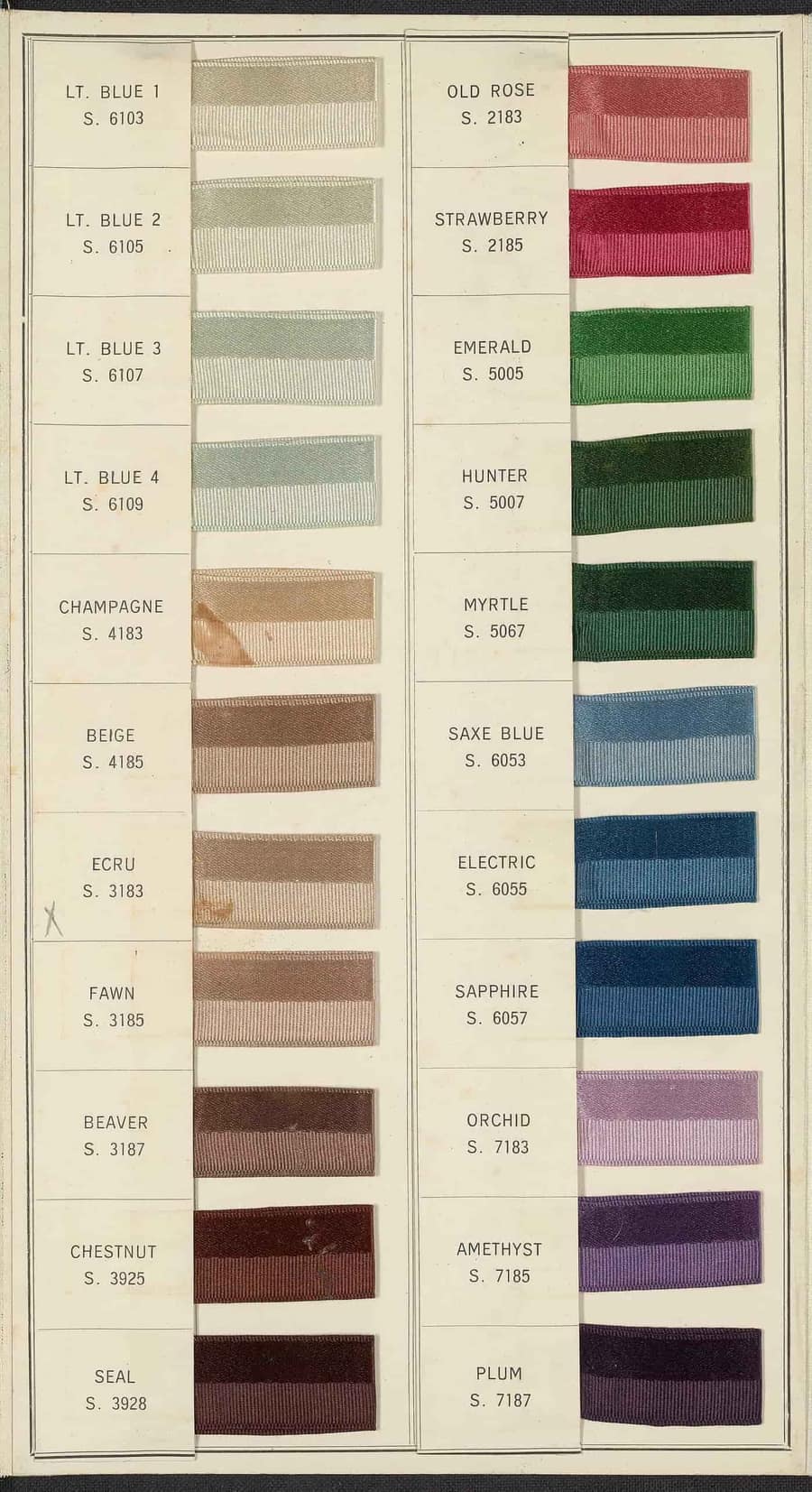
How to translate Citadel color names into Vallejo or Army Painter, and when an exact match genuinely does not matter.

The twelve-pot shopping list that actually finishes a model, with what each pot is for.
The consistency to aim for, what to thin with, and why unthinned paint is the mistake behind most beginner results.
Where this sits in the build