The Best Paint for Gunpla
Model kits are flat mechanical panels, not fantasy textures. That changes which paint is right.
The short answer
For a first Gunpla kit, Gundam Markers are the best paint: no brush, no thinner, no cleanup, and they pick out thrusters and panels in an evening. For painting a kit properly, Tamiya acrylics thinned with X-20A are the standard, because they lay flat on large panels where miniature acrylics show brush marks.
The quick version
| # | Product | Best for | Score | Price |
|---|---|---|---|---|
| 1 | 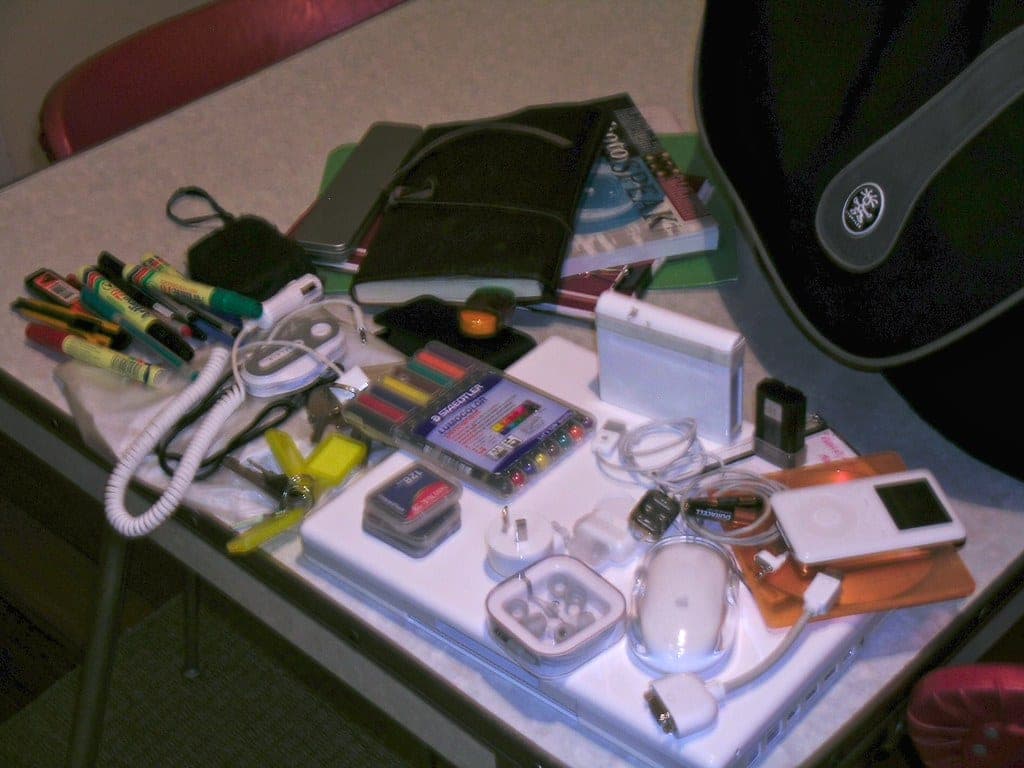 GSI Creos Gundam Marker Basic SetPaint pens that need no brush, no thinner and no cleanup. The right first purchase for a snap-fit kit you want to look better in an evening. | A first kit, no equipment | 8.5 | Check price on Amazon |
| 2 |  Tamiya Acrylic Paint Mini (XF / X range)The scale-model standard. Flat and gloss colors that brush and airbrush well, sold in small jars so a specific color costs very little. | Painting a kit properly | 8.7 | Check price on Amazon |
| 3 | 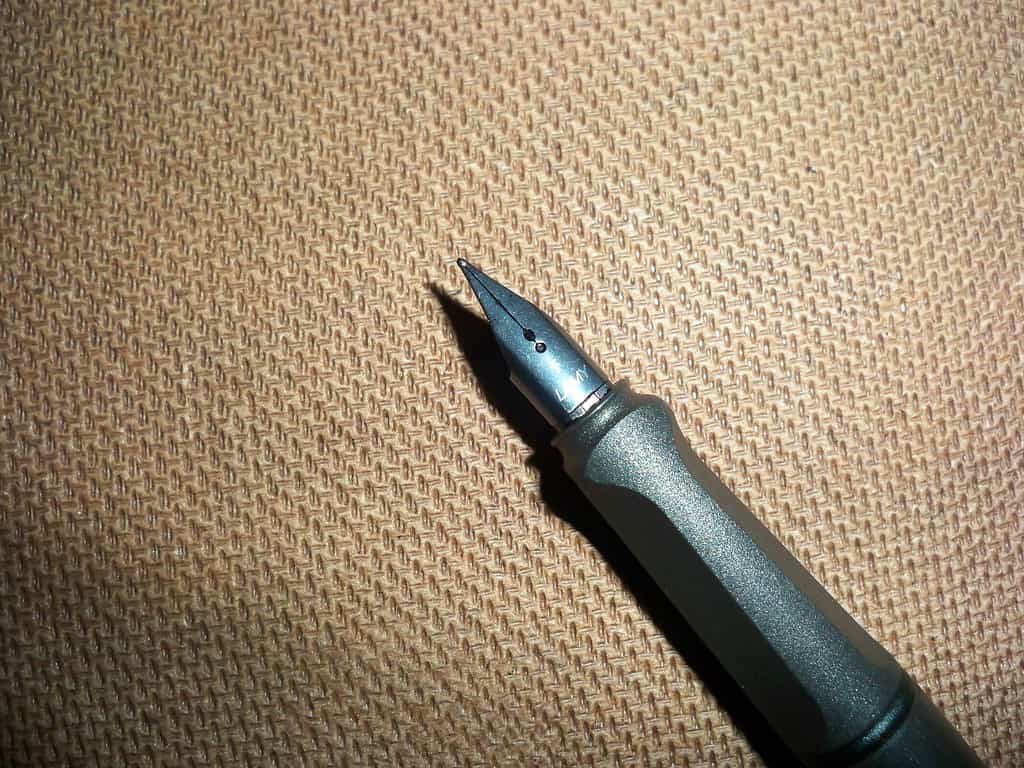 GSI Creos Gundam Marker Pour TypeA marker that flows by capillary action like a liquid panel liner, but water-based and safe on bare plastic. The best of both worlds for a snap-fit build. | Panel lining safely | 8.8 | Check price on Amazon |
| 4 | Tamiya Panel Line Accent ColorA very thin enamel that runs into every recess on its own and wipes back cleanly for hours. The best-looking panel lines available, with one real hazard attached. | The sharpest panel lines | 9.0 | Check price on Amazon |
| 5 | Vallejo Metal Color rangeLacquer-based, pre-thinned for an airbrush, and polishable to a genuine mirror. The best metallic finish available to a hobbyist, and the fussiest to use. | Metallic frames and weapons | 8.6 | Check price on Amazon |
Scores are our own editorial read against the criteria stated below — not a lab measurement and not a user rating. Tap a row for the full write-up.
Why miniature paint is the wrong choice here
This is the question that brings most people to this page, usually because they already own Citadel paints. The paints will physically adhere; the problem is the surface.
A fantasy miniature is almost entirely texture — cloth folds, chainmail, fur, rivets. Texture hides brush marks. A Gunpla kit is the opposite: large, smooth, flat mechanical panels, often with a gloss or pearl finish from the factory. On a flat panel every brush stroke, every ridge where two passes overlap, is visible.
Miniature acrylics are formulated to be opaque in a thin coat, which means high pigment load and a relatively short open time. That is ideal on texture and works against you on a flat surface. Scale-model acrylics like Tamiya flow out flatter and self-level more, which is exactly what a panel needs.
The honest summary: use miniature paint on a kit if it is what you own and you are picking out small details. Buy scale-model paint if you are painting panels.
How we picked
- Finish on a flat surface. Does it self-level, or does it show every stroke?
- Setup and cleanup cost. A kit that gets finished beats a kit that needs an airbrush session to start.
- Safety on bare plastic. Some solvents craze polystyrene. This matters far more on kits than on primed miniatures.
- Color accuracy. Scale-model ranges publish colors matched to real references; miniature ranges do not.
Three routes, by how much you want to commit
Markers only. No equipment, no cleanup, one evening. Pick out thrusters, vents, joints and panel lines on a pre-colored kit and it will look dramatically better. This is the right first step and a lot of builders never go further. See the marker picks.
Brush with scale-model acrylics. Thin with the manufacturer’s own thinner, work in two thin coats, and accept that large panels are hard to do perfectly. Best for small parts, weapons and frames rather than whole shoulders.
Airbrush. The only route to a genuinely flawless panel finish. It is also a compressor, a booth, a respirator and a cleaning routine. If you are weighing it up, do you need an airbrush is the honest version, and the airbrush hub has the equipment.
Paint, plastic and the crazing problem
Worth understanding before you put a solvent near a kit. Polystyrene is attacked by strong solvents — that is exactly how solvent cement works. The same chemistry means an enamel or lacquer product pooled on bare, stressed plastic can craze it: fine cracks appear, usually around a stress mark from a bad nipper cut.
Practical rules:
- Water-based acrylic is safe on bare plastic. Always.
- Enamel panel liner is safe in a thin line in a recess and risky if it pools on a flat area, particularly near stress marks.
- On a painted kit, enamel needs a gloss coat underneath or the thinner lifts your acrylic paint. This is the single most common way a finished kit gets ruined.
The order for a painted kit
- Build and clean up every nub mark first. Paint makes them more obvious, not less.
- Disassemble into sub-assemblies by color. This is why a handle that grips parts matters here.
- Prime. Pre-colored plastic does not need it for adhesion as badly as resin, but it unifies the surface.
- Paint panels, then details.
- Gloss coat.
- Panel line and apply decals.
- Matt topcoat to seal and kill the shine.
The whole build process, including the no-paint version, is in how to build a Gunpla kit.
The picks in full
GSI Creos Gundam Marker Basic Set
Paint pens that need no brush, no thinner and no cleanup. The right first purchase for a snap-fit kit you want to look better in an evening.
What it gets right
- Zero setup and zero cleanup, which is why kits actually get finished
- The gray and black are enough to pick out thrusters, panels and joints
- Mistakes wipe off a glossy surface with rubbing alcohol for a short while after
Who it is wrong for
- Lays a heavier, less even line than a flowing panel liner
- Tips flatten and fray with use; they are consumables, not tools
- No good for large areas — a marker-painted whole shoulder looks streaky
Scored against this page’s criteria
We do not publish prices. Amazon shows the current one, which is the only one that is ever right. #ad · how this is funded
Tamiya Acrylic Paint Mini (XF / X range)
The scale-model standard. Flat and gloss colors that brush and airbrush well, sold in small jars so a specific color costs very little.
What it gets right
- Buy exactly the color the instructions call for, nothing else
- Sprays beautifully with X-20A; it is a genuine airbrush paint, not a brush paint that tolerates one
- The flat finishes are properly flat, which is what a mechanical subject needs
Who it is wrong for
- Brushes less forgivingly than a miniature acrylic — it shows brush strokes if you overwork it
- 10 ml jars are a poor way to buy a bulk basecoat color
- Needs its own thinner; water thins it badly and ruins the finish
Scored against this page’s criteria
Specs from the manufacturer: Tamiya product page
We do not publish prices. Amazon shows the current one, which is the only one that is ever right. #ad · how this is funded
GSI Creos Gundam Marker Pour Type
A marker that flows by capillary action like a liquid panel liner, but water-based and safe on bare plastic. The best of both worlds for a snap-fit build.
What it gets right
- Press it to a recess and it runs the line for you — far neater than drawing freehand
- Water-based, so no risk of crazing bare polystyrene the way enamel thinner can
- No bottle, no brush, no decanting; it is a pen
Who it is wrong for
- Color range is limited to black, gray and brown
- Dries faster than enamel, so you have less time to wipe back a mistake
- Cannot be thinned or custom-mixed the way a bottled liner can
Scored against this page’s criteria
We do not publish prices. Amazon shows the current one, which is the only one that is ever right. #ad · how this is funded
Tamiya Panel Line Accent Color
A very thin enamel that runs into every recess on its own and wipes back cleanly for hours. The best-looking panel lines available, with one real hazard attached.
What it gets right
- Flows further and finer than any marker — the line looks molded rather than drawn
- Stays wipeable for a long window, so mistakes are genuinely fixable
- One 40 ml bottle will outlast dozens of kits
Who it is wrong for
- The enamel thinner inside attacks acrylic paint — a painted kit MUST be gloss-coated first or the paint lifts
- Pooled enamel can craze stressed bare plastic, particularly around stress marks
- Needs ventilation; it smells strongly and the vapor is not pleasant
Scored against this page’s criteria
Specs from the manufacturer: Tamiya product page
We do not publish prices. Amazon shows the current one, which is the only one that is ever right. #ad · how this is funded
Vallejo Metal Color range
Lacquer-based, pre-thinned for an airbrush, and polishable to a genuine mirror. The best metallic finish available to a hobbyist, and the fussiest to use.
What it gets right
- Finest metallic particle size of any hobby range — the only one that reads as real polished metal
- Sprays straight from the bottle with no thinning guesswork
- Buffing with a cotton bud raises the shine further at no extra cost
Who it is wrong for
- Needs an airbrush to be worth buying; brushed on it is unremarkable
- Alcohol base means proper ventilation and a respirator, not an open window
- Needs its own gloss varnish before any enamel wash, or the wash lifts it
Scored against this page’s criteria
Specs from the manufacturer: Vallejo product page
We do not publish prices. Amazon shows the current one, which is the only one that is ever right. #ad · how this is funded
FAQ
Questions people actually ask
What is the best acrylic paint for Gunpla?
Can I use Citadel paint on Gunpla?
Do I need to paint a Gunpla kit at all?
Will enamel panel liner damage my kit?
Can I brush paint a whole Gunpla kit?
More in Miniature Paints and Paint Sets, or start from the beginning with what to buy first.
Sources
- Tamiya — Craft Tools and paint rangechecked October 2026
- Acrylicos Vallejo — official product rangechecked October 2026