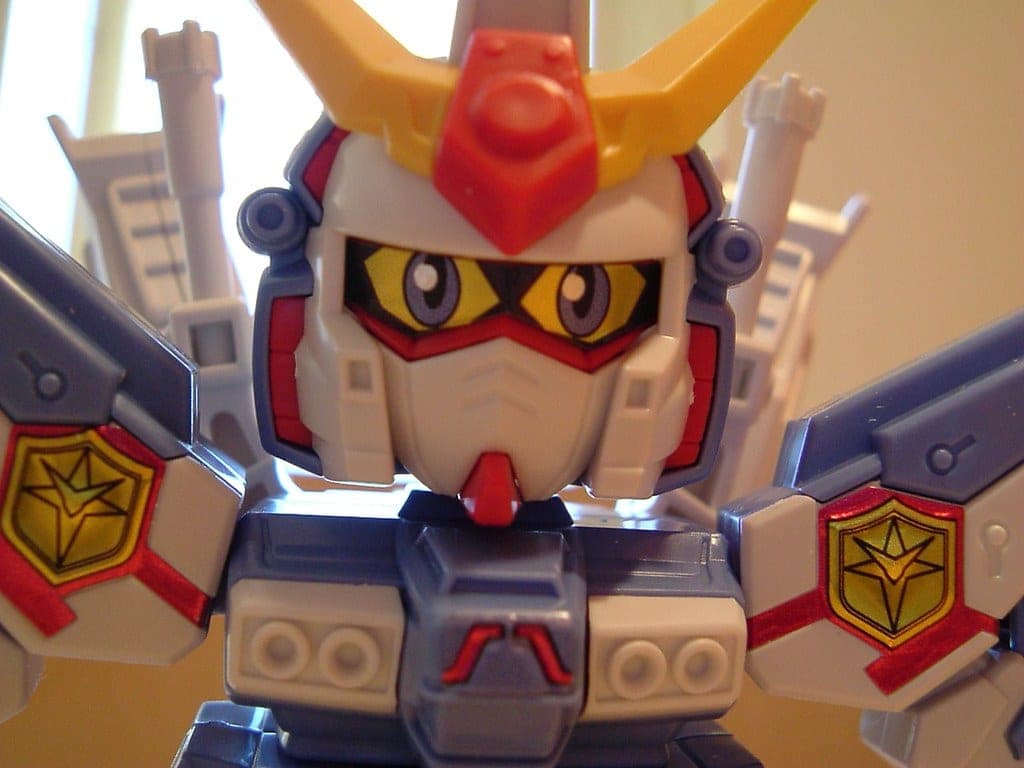
Best Gunpla gift
Gifts for Gunpla Builders
Tool and finishing gifts for kit builders, plus which kits are safe to buy for someone else.
Top pick: God Hand Ultimate Nipper SPN-120Check price on Amazon
What to do once you own the stuff. Techniques, order of operations, and the mistakes worth skipping.
3 ranked roundups7 comparisons and guides
Everything on this site other than the product pages lives here: how to actually do the thing, in what order, and what goes wrong. The product hubs tell you what to buy. These pages tell you what to do with it.
Read Start Here first — it sequences the whole first purchase — and then how to paint miniatures for beginners, which is the ordered procedure from bare plastic to finished model. Those two cover the ground that otherwise takes a dozen scattered videos.
If money is the question rather than method, what it costs to start breaks the first purchase into realistic bands, and the first-army shopping list is the concrete version of it.
Building kits rather than painting figures? How to build a Gunpla kit is the equivalent starting point, and panel lining and decals is the step that makes the biggest visible difference.
Most beginner frustration is not technique failure — it is doing the right things in the wrong order. The sequence that works is: assemble, clean up seams and mold lines, prime, basecoat, shade, highlight, base the model, seal. Every one of those steps is much harder if you did the previous one out of order.
The two that get swapped most often are basing and sealing. Basing comes after painting the model and before sealing, so the texture gets protected too. And sealing is genuinely last — after basing, after any transfers, after everything. Sealing before basing means your sand and gravel sits on top of a varnish layer and sheds.
There are perhaps thirty named miniature painting techniques and four that matter for a first army.
Thinning paint is first, and it is not a technique so much as a prerequisite — unthinned paint fills detail and dries with visible ridges. See how to thin miniature paint.
Washing is second and gives the biggest single improvement per minute spent. Drybrushing is third — drybrushing is crude, fast, and makes texture read beautifully at arm's length, which is the distance a gaming model is actually viewed from. Edge highlighting is fourth and the first one that genuinely needs brush control.
The basic techniques guide covers all four properly. Once those are solid, painting faster is about batching and sequencing rather than about new skills.
The same handful of things, to everybody. Beginner mistakes to avoid collects them: unthinned paint, skipping primer, over-washing, buying before learning, and trying to make the first model perfect instead of finished.
That last one is worth stating plainly, because it is the one that stops people. Your first army will not look like the box art, and the box art was painted by a professional over many hours with an airbrush. A finished, table-ready army painted to a consistent decent standard looks far better in play than three immaculate models and forty gray ones.
If the physical act is the barrier rather than the method, painting with shaky hands covers the practical adaptations — bracing, magnification, technique choices and model holding — that make detail work possible without steadier hands.
Tool and finishing gifts for kit builders, plus which kits are safe to buy for someone else.
Small-budget gifts that get used every session, grouped by who you are buying for.

Gifts ranked by how hard they are to get wrong — plus the two categories to avoid buying for someone else.

How batch painting works, the batch size that pays off, and the two situations where it backfires.
The ten mistakes that hold beginners back, each with the specific correction.

Bracing, posture, breathing and the equipment that makes steadiness unnecessary.
The full beginner sequence — prime, basecoat, wash, highlight, detail, seal — and why the order cannot be rearranged.

Whether to paint at all, the marker-first route, priming hard plastic, and sub-assembly order.
Where the money actually goes, which items are one-time buys, and the cheapest honest way to start.

The complete first-purchase list in priority order, with what to skip and why bundles overcharge you.
Where this sits in the build