Beginner Mistakes, and the Fixes
None of these are talent problems. Every one of them is a habit you can change this evening.
The short answer
The big ones are painting with unthinned paint, skipping primer, working under a single lamp, flooding the brush ferrule, skipping the wash, and never finishing a model. Each has a direct fix, and none of them are about skill.
The quick version
| # | Product | Best for | Score | Price |
|---|---|---|---|---|
| 1 | 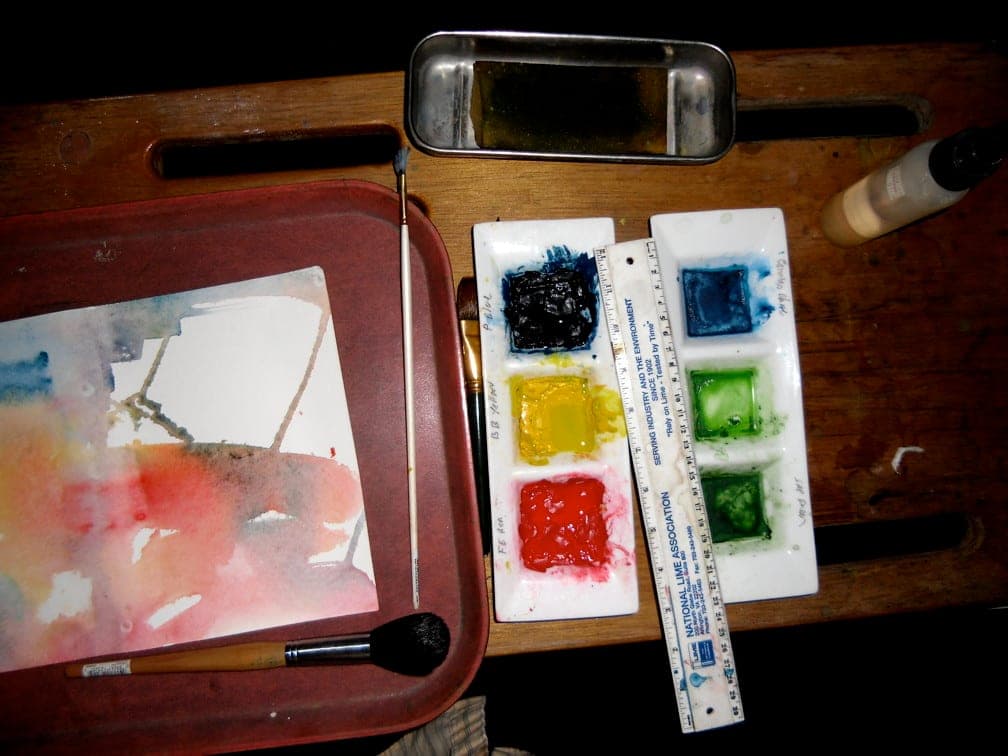 Redgrass Games Everlasting Wet Palette Painter LiteA sealed, mold-resistant wet palette small enough to live on a crowded desk. It keeps thinned paint usable for days instead of minutes. | Fixing thick paint | 9.3 | Check price on Amazon |
| 2 |  Citadel Shade: Agrax EarthshadeA warm brown wash that flows into recesses and makes almost any color scheme look finished. If you buy a single wash, this is it. | Fixing flat models | 9.2 | Check price on Amazon |
| 3 |  Brightech LightView Pro FlexA weighted-base magnifier lamp with a glass lens and a long flexible arm. It solves light and magnification in one purchase, which is why it is the usual answer. | Fixing bad light | 9.0 | Check price on Amazon |
| 4 |  The Masters Brush Cleaner and PreserverA soap paste that lifts dried acrylic out of the ferrule and reshapes the point. The cheapest thing you can buy that extends the life of an expensive brush. | Fixing ruined brushes | 9.4 | Check price on Amazon |
Scores are our own editorial read against the criteria stated below — not a lab measurement and not a user rating. Tap a row for the full write-up.
1. Painting with paint straight from the pot
The symptom: thick, textured coats, filled-in detail, visible brush marks.
The fix: thin to roughly skim-milk consistency and do two coats. The reason people do not is that thinned paint dries on a dry palette in two minutes, so get a wet palette and the habit becomes easy. Technique in how to thin paint.
2. Skipping primer
The symptom: paint beads up, coverage is patchy, and the finish rubs off with handling.
The fix: always prime. If you have no outdoor space, brush-on or airbrush primer works in any room on any day — priming indoors.
3. Painting under one light
The symptom: you cannot see recesses, the model looks different in daylight, and your hand is in the way.
The fix: two lamps at roughly 45 degrees either side. This is the cheapest large improvement available — lamp guide.
4. Loading paint into the ferrule
The symptom: a new brush that splays within a month and will not hold a point.
The fix: only ever load the front third of the bristles, and never dunk to the metal. Paint that dries inside the ferrule spreads the bristles permanently and no cleaning reverses it. Full routine in brush care.
5. Skipping the wash
The symptom: a neatly basecoated model that still looks like a toy.
The fix: one brown wash, two minutes a model. Shadow is what makes a model read as three-dimensional, and a wash does it almost for free.
6. Trying to make the first model perfect
The symptom: four hours on one model, a shelf of unfinished miniatures, and declining enthusiasm.
The fix: finish models. Five completed models teach you more than one agonized-over model, because every stage repeats and improves. Seal it, put it on the shelf, start the next.
7. Buying a brush bundle instead of one good brush
The symptom: ten brushes, two of which get used, none of which hold a point.
The fix: one decent size 1 or 2 round, plus a cheap stiff brush for drybrushing. See beginner brushes.
8. Leaving the base bare
The symptom: a well-painted figure standing on gray plastic.
The fix: texture, a basecoat, a drybrush and a rim color. Five minutes, and it is the difference between a painted model and a finished one.
9. Highlighting before shading
The symptom: highlights that disappear, or a model that looks chalky and flat.
The fix: shade first, then highlight. A wash establishes where the shadows are, which tells you where the light is supposed to be hitting. The order is laid out in the full process.
10. Priming in bad weather
The symptom: a gritty, sandpaper-textured primer coat that no amount of painting smooths out.
The fix: never spray in damp, humid or cold air. Spray primer part-dries before it lands in humid conditions and arrives as dust — the mechanism. Brush-on primer has no weather window at all.
Three more that cost people models
Sealing in humid weather. Frosting a finished model is the most demoralizing failure in the hobby. Check humidity first — sealing guide.
Painting an entire army before finishing one model. You will change your scheme after the first model. Finish one completely first — batch painting is a technique for after that, not before.
Comparing yourself to studio photography. Box art is painted by professionals, lit by professionals and photographed with a macro lens. Compare your fifth model to your first instead.
The picks in full
Redgrass Games Everlasting Wet Palette Painter Lite
A sealed, mold-resistant wet palette small enough to live on a crowded desk. It keeps thinned paint usable for days instead of minutes.
What it gets right
- Paint stays workable for days with the lid on, which is the entire point of a wet palette
- Small footprint — it fits beside a model rather than replacing your desk
- Membranes and foam are sold as refills, so the palette itself is a one-time buy
Who it is wrong for
- Too small for batch-painting a whole regiment's worth of colors at once
- Refill membranes are a recurring cost you should price in
- Still molds if you leave paint and water in it for two weeks — nothing fixes neglect
Scored against this page’s criteria
Specs from the manufacturer: Redgrass Games product page
We do not publish prices. Amazon shows the current one, which is the only one that is ever right. #ad · how this is funded
Citadel Shade: Agrax Earthshade
A warm brown wash that flows into recesses and makes almost any color scheme look finished. If you buy a single wash, this is it.
What it gets right
- Flows into panel lines and recesses on its own — no brush control required
- Warm enough to flatter metal, leather, bone, skin and most greens
- An 18 ml pot outlasts several armies because a wash goes on thin
Who it is wrong for
- Browns everything it touches; wrong over cool blue-gray schemes that need Nuln Oil
- Tide-marks if you flood a flat panel instead of letting it sit in recesses
- Matt-dulls metallics slightly, which some painters then have to re-highlight
Scored against this page’s criteria
Specs from the manufacturer: Citadel product page
We do not publish prices. Amazon shows the current one, which is the only one that is ever right. #ad · how this is funded
Brightech LightView Pro Flex
A weighted-base magnifier lamp with a glass lens and a long flexible arm. It solves light and magnification in one purchase, which is why it is the usual answer.
What it gets right
- Glass lens rather than acrylic, so the image stays sharp at the edges
- Weighted base means it stays where you put it instead of walking across the desk
- One purchase covers both the lamp and the magnifier most painters would buy separately
Who it is wrong for
- A single light source still casts a hand shadow; two cheap lamps beat one good one for that
- The lens is in the way when you are not using it
- Color rendering is good, not reference-grade — a display painter will want higher CRI
Scored against this page’s criteria
We do not publish prices. Amazon shows the current one, which is the only one that is ever right. #ad · how this is funded
The Masters Brush Cleaner and Preserver
A soap paste that lifts dried acrylic out of the ferrule and reshapes the point. The cheapest thing you can buy that extends the life of an expensive brush.
What it gets right
- Pulls paint out of the base of the bristles, which is where brushes actually die
- Leaves a light conditioning film you can shape the point with before storing
- A 1 oz tub lasts years of regular painting
Who it is wrong for
- Will not rescue a brush with cured paint already locked in the ferrule
- Easy to scrub too hard and splay the brush you are trying to save
- Does nothing for a brush whose point has already been cut by solvent
Scored against this page’s criteria
We do not publish prices. Amazon shows the current one, which is the only one that is ever right. #ad · how this is funded
FAQ
Questions people actually ask
What is the most common beginner mistake painting miniatures?
Why does my miniature paint look thick and streaky?
Why do my brushes splay after a few weeks?
Should I finish one miniature or paint a whole unit at once?
Why does my painted miniature look flat?
More in Painting and Building Guides, or start from the beginning with what to buy first.
Sources
- Games Workshop / Citadel Colour — painting guidance and rangeschecked October 2026
- Acrylicos Vallejo — Game Color and Surface Primer rangeschecked October 2026
- The Army Painter — Warpaints and Speedpaint rangeschecked October 2026