How to Care for Miniature Brushes
Three habits kill brushes. Fixing them makes a cheap sable outlast an expensive one.
The short answer
Three habits destroy almost every brush: letting paint dry near the metal ferrule, standing the brush bristle-down in water, and drybrushing with a pointed brush. Rinse before paint tacks, load only the tip, lay brushes flat to dry, and finish each session with brush soap and a reshaped point.
The quick version
| # | Product | Best for | Score | Price |
|---|---|---|---|---|
| 1 |  The Masters Brush Cleaner and PreserverA soap paste that lifts dried acrylic out of the ferrule and reshapes the point. The cheapest thing you can buy that extends the life of an expensive brush. | The one thing to buy for this | 9.4 | Check price on Amazon |
| 2 | 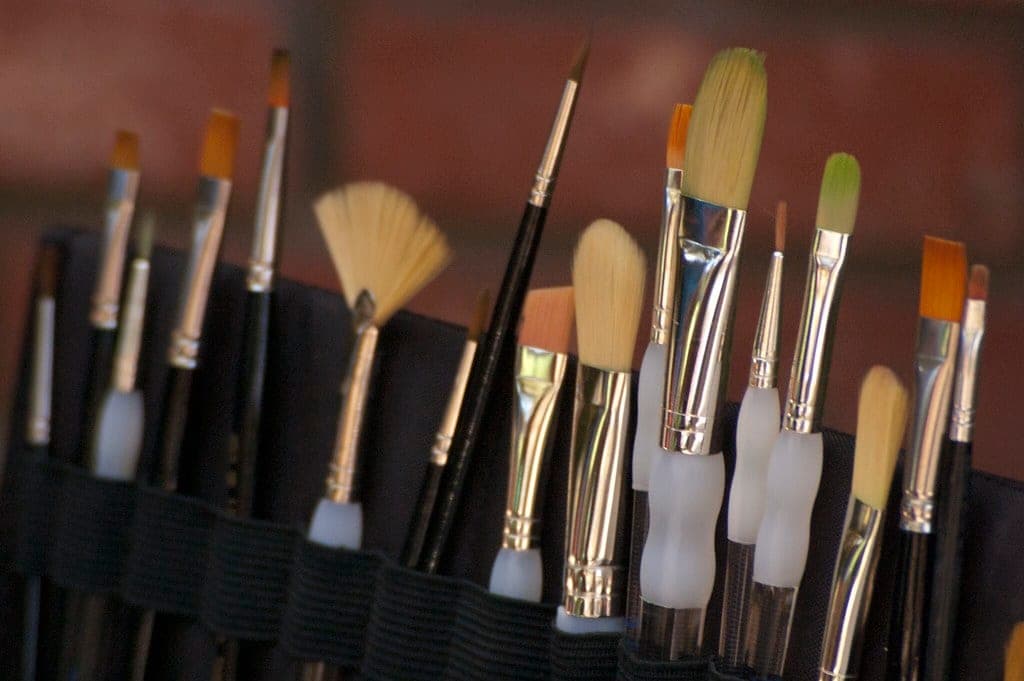 The Army Painter Wargamer: DrybrushA short, stiff, blunt-ended brush built for the one technique that destroys normal brushes. The only shape here you should buy synthetic on purpose. | Keeping abrasion off your good brush | 8.8 | Check price on Amazon |
Scores are our own editorial read against the criteria stated below — not a lab measurement and not a user rating. Tap a row for the full write-up.
The three things that kill brushes
A brush does not wear out evenly. It dies from one of three specific causes, and all three are habits rather than bad luck. Fix these and the question of which brush to buy becomes much less important.
1. Paint in the ferrule
The ferrule is the metal collar holding the bristles. Paint that gets into the base of the bristles and cures there forces the hairs apart permanently. Because a point is the sum of correctly-positioned hairs, a brush splayed from the root never comes back.
This is the cause of most dead brushes, and the reason is usually upstream of the brush: unthinned paint will not travel to the tip, so the painter pushes more of the brush into the paint to get color onto the model. The real fix is thinning the paint.
2. Standing in water
A brush left bristle-down in a water pot for an hour comes out bent. Worse, water wicks up into the ferrule and softens the adhesive holding the bundle, which loosens it permanently.
Lay brushes flat on the desk between colors. It takes no longer and it costs nothing.
3. Drybrushing with the wrong brush
Drybrushing is deliberate abrasion — dry bristles scrubbed across a hard surface under pressure. It will destroy a sable point in a single session. Use a brush you have already retired, or a purpose-made stiff one. See drybrushes.
The same applies to metallics: metallic flake is far larger than pigment and lodges in scaled natural hair where it cannot be rinsed out. Keep a dedicated synthetic for metals.
The thirty-second routine
At the end of every session, per brush:
- Rinse in clean, cool water. Not hot — hot softens the ferrule adhesive.
- Work a light lather of brush soap into the bristles, right down to the ferrule. Gently; you are lifting paint out, not scrubbing.
- Rinse most of the soap out, leaving a trace.
- Draw the brush to a point between finger and thumb.
- Lay it flat to dry.
The trace of soap holds the point while it dries, so the brush is pointed next time you pick it up. Rinse it out before painting.
What not to clean a brush with
| Don’t use | Why |
|---|---|
| Hot water | Softens the adhesive holding the bristle bundle. |
| Dish soap, routinely | A degreaser. Strips the natural oils from sable and leaves it brittle. |
| Isopropyl alcohol | Dries out natural hair badly and attacks the ferrule adhesive. |
| Acetone / nail polish remover | Dissolves the adhesive and some handle lacquers. |
| Solvent brush cleaner, on sable | Only for a brush you have already written off. |
| A wire brush or pin | Physically breaks the hairs you are trying to free. |
Can a splayed brush be saved?
If the paint is recent and still soft: sometimes, partly. Repeated gentle soap lathering over several sessions works paint out of the base and the point will improve. Be patient and do not scrub.
If the paint has fully cured: no. The hairs have been held apart while the paint hardened and that is now their shape.
If the hair is brittle from solvent: no. Natural hair that has lost its oils breaks rather than bends, and there is no restoring it.
A brush at that point is still useful: it is exactly the right shape for drybrushing, or for applying basing glue, or for varnishing. Keep a jar of retired brushes and you will never need to buy a drybrush.
Habits during the session
- Two water pots. One to rinse the worst off, one clean for thinning. Thinning with dirty water is how colors go muddy for no apparent reason.
- Lay the brush flat between colors. Not in the pot, not bristle-down.
- Reshape the tip on a paper towel after each rinse. It takes a second and keeps the point through the session.
- Use a wet palette. Thinned paint on a dry palette dries in ninety seconds, which is why painters end up reloading from the pot with thick paint — the thing that kills brushes. See wet palettes.
The picks in full
The Masters Brush Cleaner and Preserver
A soap paste that lifts dried acrylic out of the ferrule and reshapes the point. The cheapest thing you can buy that extends the life of an expensive brush.
What it gets right
- Pulls paint out of the base of the bristles, which is where brushes actually die
- Leaves a light conditioning film you can shape the point with before storing
- A 1 oz tub lasts years of regular painting
Who it is wrong for
- Will not rescue a brush with cured paint already locked in the ferrule
- Easy to scrub too hard and splay the brush you are trying to save
- Does nothing for a brush whose point has already been cut by solvent
Scored against this page’s criteria
We do not publish prices. Amazon shows the current one, which is the only one that is ever right. #ad · how this is funded
The Army Painter Wargamer: Drybrush
A short, stiff, blunt-ended brush built for the one technique that destroys normal brushes. The only shape here you should buy synthetic on purpose.
What it gets right
- Stiff enough to push pigment onto raised edges rather than flood them
- Blunt end gives even coverage across a whole surface in seconds
- Cheap, because drybrushing is abuse and the brush is a consumable
Who it is wrong for
- Useless for anything but drybrushing and stippling
- Still wears out — the bristles shorten and the brush gets scratchier
- A worn-out old sable does the same job for free
Scored against this page’s criteria
Specs from the manufacturer: The Army Painter product page
We do not publish prices. Amazon shows the current one, which is the only one that is ever right. #ad · how this is funded
FAQ
Questions people actually ask
How do I stop ruining new brushes?
Should I use dish soap to clean brushes?
Can a splayed brush be fixed?
How should I store brushes?
Do I need two water pots?
More in Miniature Painting Brushes, or start from the beginning with what to buy first.
Sources
- Rosemary & Co — Series 33 product listingchecked October 2026
- The Army Painter — Wargamer brush rangechecked October 2026