How to Prime Miniatures Indoors
No balcony, no garden, no dry weekend. It is a solved problem, and the solution is not an aerosol.
The short answer
Use a water-based brush-on or airbrush primer. Thin it slightly, apply two thin coats rather than one heavy one, and work it into recesses with the brush tip rather than flooding them. Do not use an aerosol indoors — it fills the room with airborne solvent and pigment that settles on everything.
The quick version
| # | Product | Best for | Score | Price |
|---|---|---|---|---|
| 1 |  Vallejo Surface PrimerA water-based acrylic primer that brushes or airbrushes on with almost no smell. The answer for anyone who cannot spray outdoors. | Priming indoors | 9.1 | Check price on Amazon |
| 2 | Vallejo Surface Primer Black (200 ml)The big bottle of the same water-based primer. Through an airbrush it lays down thinner and smoother than any aerosol, with no weather window at all. | Priming indoors with an airbrush | 9.0 | Check price on Amazon |
| 3 | 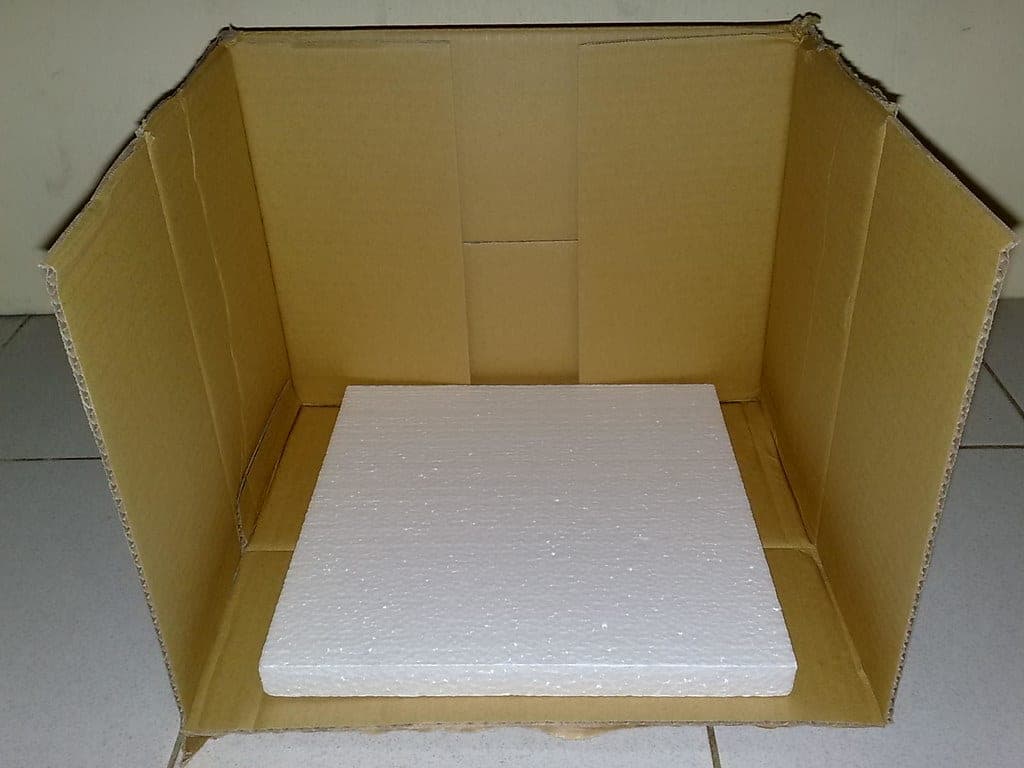 Portable hobby spray booth with extractorA collapsible box with a fan, a filter and a duct hose. Not a substitute for a respirator, but the difference between overspray on the wall and overspray out of the window. | Catching airbrush overspray | 8.4 | Check price on Amazon |
| 4 |  The Army Painter Wargamer Brush SetSynthetic brushes covering detail, regiment, drybrush and basecoat in one box. Not the best brush of any type — the right set to learn on and not grieve over. | A brush to prime with | 8.3 | Check price on Amazon |
Scores are our own editorial read against the criteria stated below — not a lab measurement and not a user rating. Tap a row for the full write-up.
Why an aerosol is not an indoor option
People do spray primer in a bathroom with the window open, and it is worth being clear about what actually happens when you do.
An aerosol puts a cloud of fine solvent and pigment particles into the air. Most of it does not land on the model. It stays airborne for a long time, you breathe it, and the rest settles as a thin film on every surface in the room — including, over repeated sessions, visibly.
An open window does not meaningfully change that; it is not directional airflow. A bathroom extractor fan helps a little and does not solve it. This is a genuine ventilation problem rather than a fussiness one, and the fix is to not use the aerosol rather than to use it more carefully.
Brushing primer on: the technique
The one real pitfall is filling detail, because the instinct with primer is to cover in one confident coat. Two thin coats is the whole technique.
- Thin it slightly. Primer from the bottle is thick. A few drops of water on the palette makes it flow instead of dragging.
- Recesses first, raised areas second. Work primer into the crevices with the tip of the brush, then cover the flat surfaces. Doing it the other way round means flooding the recesses to reach them.
- First coat should be translucent. You should still see plastic through it. That is correct, not a mistake.
- Second coat brings it to opacity. Twenty minutes later.
- Use a brush you do not care about. Primer is hard on bristles. A retired synthetic is ideal — this is one of the jobs that retired brushes are for.
Realistically this takes a couple of minutes per infantry model, which is slower than an aerosol and faster than waiting three weeks for a dry weekend.
Airbrushing primer indoors
Better finish, more equipment. Thinner coats than any aerosol, full control, no weather dependency. The details are in the airbrush primer picks, but the indoor-specific points:
- You still need to deal with overspray. Water-based primer has mild fumes and it still produces airborne particles that settle on everything nearby. A spray booth ducted to a window is the answer, and it is the main reason to own one.
- A mask is sensible. Not strictly required for water-based acrylics; genuinely required for lacquer primers.
- Flush immediately. Primer dries hard inside a nozzle and is far more stubborn than paint. Water through while it is still wet, then a proper clean.
Setting up a space that works
Priming indoors is messier than painting indoors, so a few practical points:
- Cover the surface. Primer drips and it is designed to key hard to things. A sheet of card or an old towel.
- Work over a tray. Catches the model when you drop it, which you will.
- Use a handle. Holding a bare model while priming it means priming your fingers and leaving an unprimed patch. See painting handles.
- Prime in batches. A squad at a time, left overnight. Batching is what makes brush priming tolerable rather than tedious — the same principle as painting faster.
Things people suggest that you should not do
- Spraying in a cardboard box indoors. The box catches the droplets heading straight away from you. It does nothing about the cloud that comes back out of the open side, which is most of the problem.
- Using hairspray or craft sealant as primer. Neither provides mechanical key, both can go sticky in humidity, and you will be stripping the model.
- Skipping primer and relying on varnish. Varnish on top holds onto paint that is holding onto nothing, so damage takes the whole stack off together — see do you need to prime miniatures.
- Spraying in an unheated garage in winter. Technically outdoors, and cold air gives you the same gritty finish as damp air. See why primer goes grainy.
The picks in full
Vallejo Surface Primer
A water-based acrylic primer that brushes or airbrushes on with almost no smell. The answer for anyone who cannot spray outdoors.
What it gets right
- No aerosol, no fumes, no weather window — prime at the kitchen table in February
- Sprays through an airbrush straight from the bottle, needing little or no thinning
- Sold in large bottles, so priming a whole army is cheap
Who it is wrong for
- Brushing it on fills fine detail if you are heavy-handed — it wants thin coats
- Needs a full day to cure hard; handled too early it can peel at contact points
- An airbrush or a lot of patience is really required to get a spray-can-smooth finish
Scored against this page’s criteria
Specs from the manufacturer: Vallejo product page
We do not publish prices. Amazon shows the current one, which is the only one that is ever right. #ad · how this is funded
Vallejo Surface Primer Black (200 ml)
The big bottle of the same water-based primer. Through an airbrush it lays down thinner and smoother than any aerosol, with no weather window at all.
What it gets right
- Thinner coats than a spray can, so fine detail stays crisp
- 200 ml primes a very large number of models for the price of two aerosols
- Cleans out of an airbrush with water while wet — no solvent needed
Who it is wrong for
- Only makes sense if you already own an airbrush and a compressor
- Dries hard inside the nozzle if you leave it sitting; flush it immediately
- Needs a spray booth or a window for overspray, even though the fumes are mild
Scored against this page’s criteria
Specs from the manufacturer: Vallejo product page
We do not publish prices. Amazon shows the current one, which is the only one that is ever right. #ad · how this is funded
Portable hobby spray booth with extractor
A collapsible box with a fan, a filter and a duct hose. Not a substitute for a respirator, but the difference between overspray on the wall and overspray out of the window.
What it gets right
- Captures the overspray that otherwise settles on everything within a meter
- Folds flat, which matters when the hobby lives on a dining table
- The turntable alone makes spraying a model evenly much easier
Who it is wrong for
- Does NOT make a respirator optional for lacquers and alcohol-based paints
- The duct has to actually reach a window, or you are just moving air around the room
- Fan noise is real, and the cheap ones are loud enough to need headphones
Scored against this page’s criteria
We do not publish prices. Amazon shows the current one, which is the only one that is ever right. #ad · how this is funded
The Army Painter Wargamer Brush Set
Synthetic brushes covering detail, regiment, drybrush and basecoat in one box. Not the best brush of any type — the right set to learn on and not grieve over.
What it gets right
- Covers every brush shape a beginner needs without research
- Synthetic survives the abuse new painters inflict — dried paint, scrubbed drybrushing, standing in water
- The drybrush in particular is a shape you should never buy sable for
Who it is wrong for
- Synthetic points go soft and splay within months of real use
- The detail brush is outclassed by a single cheap sable
- You will replace the detail and layer brushes long before the drybrush
Scored against this page’s criteria
Specs from the manufacturer: The Army Painter product page
We do not publish prices. Amazon shows the current one, which is the only one that is ever right. #ad · how this is funded
FAQ
Questions people actually ask
Can I prime miniatures indoors?
Is spraying primer in a cardboard box indoors safe?
How do I brush on primer without filling the detail?
Can I use hairspray or craft sealant instead of primer?
Can I spray primer in a garage in winter?
More in Primers and Surface Prep, or start from the beginning with what to buy first.
Sources
- Acrylicos Vallejo — Surface Primer rangechecked October 2026