The Best Respirator for Airbrushing Miniatures
A dust mask and a cartridge respirator protect against different things, and buying the wrong one feels exactly as safe as buying the right one. That is the whole danger.
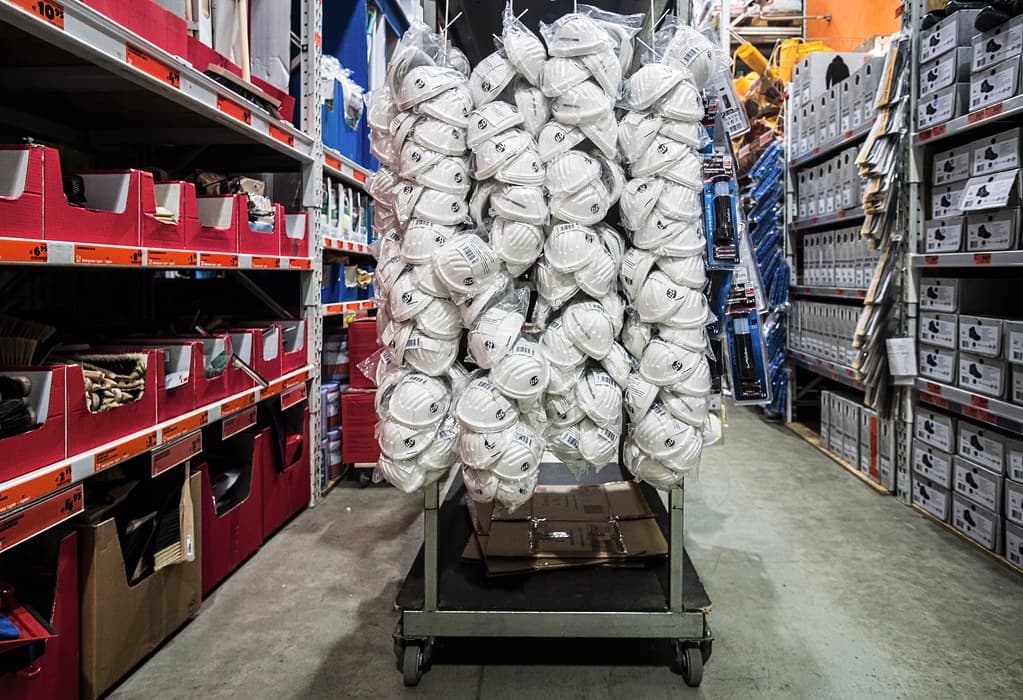
The short answer
For water-based acrylics, a NIOSH P100 half mask such as the GVS Elipse is enough, because the hazard is particulate overspray. For lacquers, enamels or any solvent-based topcoat you need an organic vapor cartridge — a 3M 6000 series facepiece with 60923 cartridges. Neither replaces ventilation.
The quick version
| # | Product | Best for | Score | Price |
|---|---|---|---|---|
| 1 | 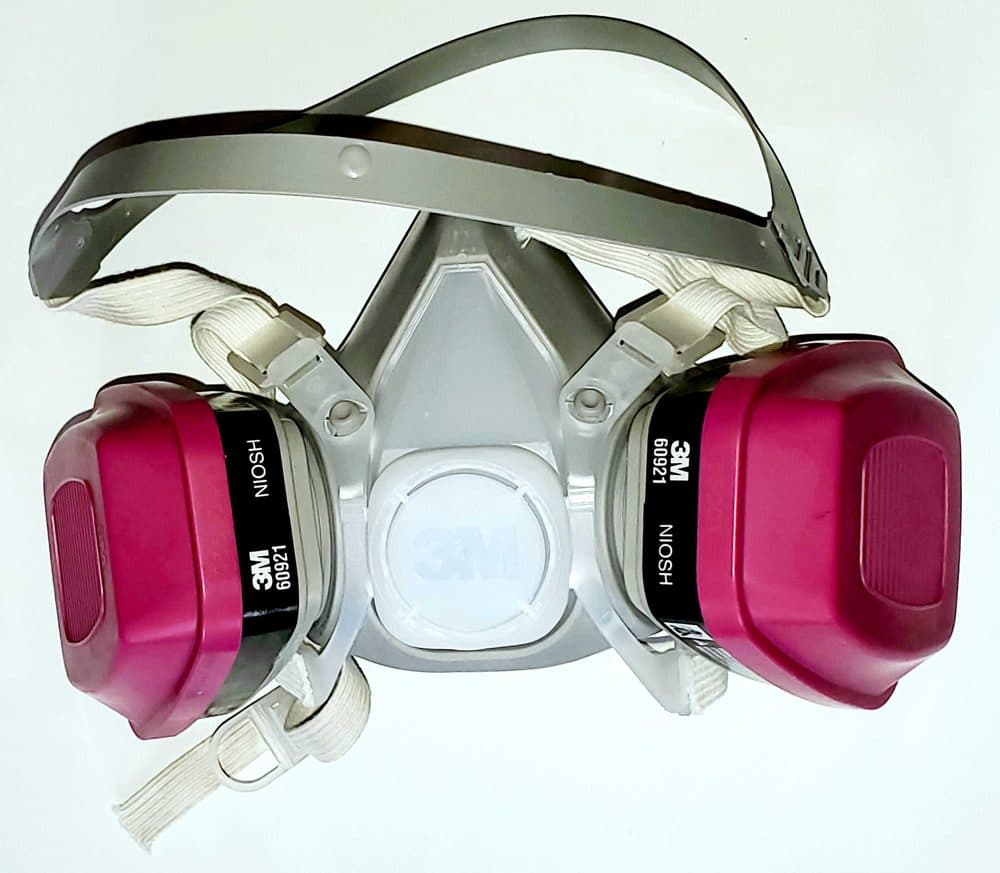 GVS Elipse P100 Half Mask Respirator (SPR457)A NIOSH P100 half mask small enough to wear under a magnifier visor. The right buy if you airbrush acrylics and sand resin, and the wrong one the moment a lacquer comes out. | Best for water-based acrylics | 8.5 | Check price on Amazon |
| 2 | 3M Half Facepiece Reusable Respirator 6200 (6000 Series)The facepiece half of the only setup that handles solvent vapor. Buy it for the bayonet fitting, which takes everything from a plain P100 disc to a full organic-vapor cartridge. | Best facepiece for solvent work | 9.0 | Check price on Amazon |
| 3 | 3M Organic Vapor/Acid Gas Cartridge with P100 Filter 60923The combination cartridge: organic vapor and acid gas protection with a P100 particulate filter on the front. This is the part that makes a half mask useful for solvent-based paint. | The cartridge lacquer actually requires | 8.8 | Check price on Amazon |
| 4 | 3M Particulate Filter 2097 (P100)A flat P100 disc with nuisance-level organic vapor relief, meaning it takes the smell off acrylic overspray. Read the limit carefully: relief from an odor is not protection from a vapor. | Cheapest sensible acrylic-day filter | 8.0 | Check price on Amazon |
| 5 | 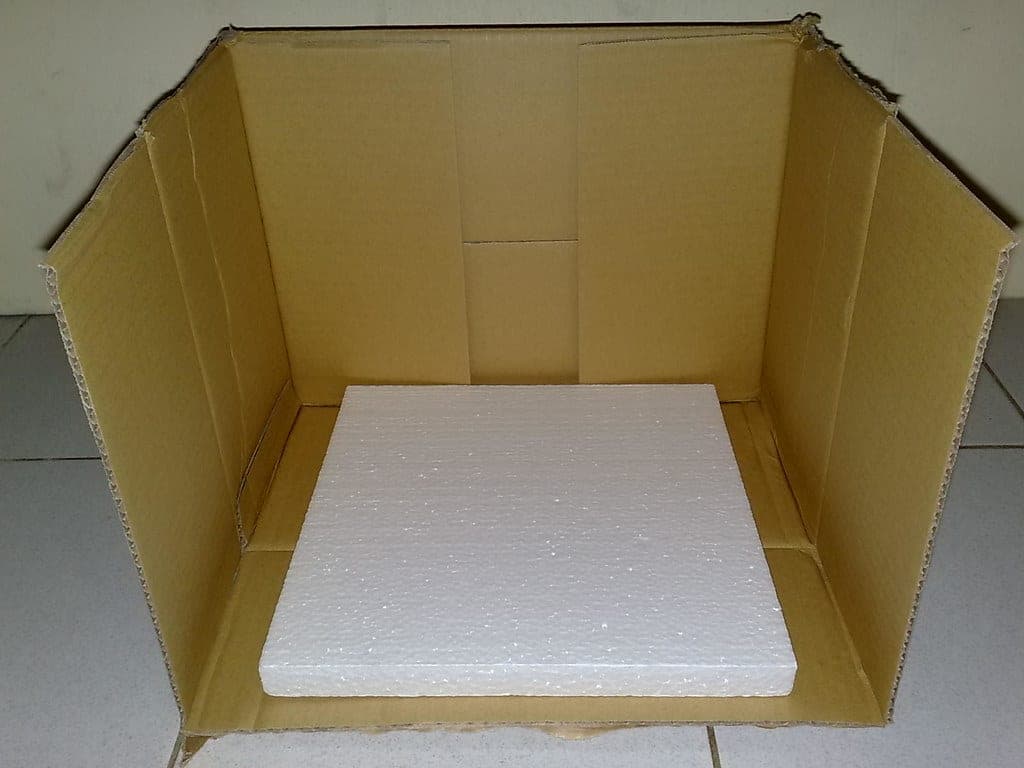 Portable hobby spray booth with extractorA collapsible box with a fan, a filter and a duct hose. Not a substitute for a respirator, but the difference between overspray on the wall and overspray out of the window. | Buy this before any mask | 8.4 | Check price on Amazon |
Scores are our own editorial read against the criteria stated below — not a lab measurement and not a user rating. Tap a row for the full write-up.
There are two hazards, and one mask does not cover both
Everything on this page follows from a single distinction, so it is worth thirty seconds.
Particulate is the physical mist of paint hanging in the air after a pass — tiny droplets and, once they dry, tiny solids. All airbrushing produces it, acrylic included. A particulate filter catches it.
Vapor is the solvent evaporating out of the paint, which is a gas. It passes through a particulate filter as if the filter were not there. Only a chemical cartridge — activated carbon, rated for organic vapor — adsorbs it.
Water-based acrylics produce mostly the first. Lacquers, enamels and solvent-based topcoats such as Mr. Super Clear produce both, and the second one in quantity. That is why “what mask should I buy” has no single answer: it depends entirely on what is in the cup.
Ventilation comes first, and it is not close
A respirator protects one person’s lungs. It does nothing about the overspray settling on your desk, the smell reaching the rest of the house, or anyone else in the room. Moving air removes the hazard; a mask only stops you breathing it.
In practice that means a booth with an extractor venting out of a window, or spraying outdoors, or at absolute minimum a cross-draught with a fan pulling away from your face. The full case — including what a hobby booth genuinely does and does not filter — is in do you need a spray booth.
This is why the booth sits in the picks below despite not being a respirator. If you can only afford one of the two this month, buy the extraction. Then buy the mask, because the correct answer is both.
If you spray water-based acrylics
This covers most people reading this: Vallejo Model Air, Game Air, Warpaints Air, thinned Citadel or Pro Acryl, and acrylic primers. The hazard is particulate, and a NIOSH P100 filter is the highest particulate rating sold — at least 99.97% of airborne particles.
The GVS Elipse is the pick because of its shape. It is a low-profile half mask, which means it clears a magnifier visor and most glasses instead of fighting them, and its filters are flat rather than protruding cylinders. A mask you keep on for a whole session protects you considerably better than a better mask you push down after ten minutes.
Its limits are worth stating plainly. It is particulate-only, so the day you spray a lacquer topcoat it is the wrong tool. Its filters are a proprietary GVS shape rather than a universal bayonet. And the commonly sold kit is M/L — on a smaller face it may not seal, and an unsealed respirator is a face-shaped ornament.
If you spray lacquers, enamels or solvent topcoats
Now you need a cartridge, and the system is two purchases rather than one: a facepiece and the cartridges that clip onto it.
The 3M 6000 series half facepiece is the standard platform. It is a thermoplastic elastomer mask with a 4-point harness and a bayonet connection that accepts 3M’s 2000, 5000, 6000 and 7000 series filters and cartridges, and it comes in three sizes. 3M’s listings are explicit that cartridges are not included, which catches out a lot of first-time buyers who open the box expecting a working respirator.
The cartridge that matters is the 60923: a NIOSH-approved organic vapor and acid gas cartridge with a P100 particulate filter built onto the front, sold as a pair, and listed by 3M as fitting the 6000 and 7500 series facepieces. One purchase covers both hazards, which is exactly what spraying a lacquer requires.
Two honest drawbacks. Cartridges have a service life that runs down once the seal is broken, whether you are using them or not — a cartridge left clipped to a mask on an open shelf is quietly expiring. And the pair usually costs more than the facepiece it attaches to, which surprises everyone the first time.
The cheap filter, and the line in its own datasheet
The 3M 2097 is a flat P100 disc with what 3M calls nuisance level organic vapor relief. It is cheaper and flatter than a cartridge, bayonets onto the same facepiece, and takes the smell off acrylic overspray.
It is also the most misunderstood product in this category, so here is the limit in 3M’s own framing: it is not for respiratory protection against organic vapors. “Nuisance level” is defined against occupational exposure limits — concentrations below the relevant OSHA PEL — not against what your nose can detect. Relief from an odor is not protection from a vapor, and treating the 2097 as a budget lacquer cartridge is the single most expensive mistake on this page.
Bought for what it is — a comfortable P100 for acrylic sessions on a facepiece you also own cartridges for — it is a sensible, cheap purchase.
Reading the rating on the box
NIOSH certifies particulate filters under 42 CFR Part 84, and the code on the packet is two pieces of information rather than a brand name.
The letter is oil resistance. N-series filters are not oil resistant, R-series are somewhat resistant, and P-series are oil proof. For hobby use this matters less than it does on a factory floor, but it is the reason a P-rated filter costs more than an N-rated one and lasts longer in mixed conditions.
The number is efficiency. 95, 99 and 100 mean at least 95%, 99% and 99.97% of airborne particles filtered — NIOSH writes a 99.97% rating as “100”, so N100, R100 and P100 all describe the same filtration level with different oil tolerance.
So a P100 is the top of the particulate range, and an N95 is the floor of the rated range. Both are enormously better than an unrated paper mask from a dollar store, which has no seal and no efficiency claim at all. Neither tells you anything about vapor, because this entire rating system is about particles.
Where a disposable N95 fits
A rated disposable N95 is a reasonable mask for occasional acrylic airbrushing, sanding a few resin prints or filing nub marks, and it is the cheapest rated thing you can own. The case against making it your only mask is practical rather than technical: a disposable is thrown away, so people ration them and end up reusing one far past the point where it seals or breathes properly.
The reusable masks above cost more once and then cost filters. If you airbrush more than a few times a year, that is the cheaper arrangement as well as the better-sealing one.
Cartridges have a shelf life, and it is not generous
Particulate filters are used up by what they catch: when breathing through one becomes noticeably harder, it is finished. That is a fairly honest signal and it is the reason P100 discs are easy to live with.
Chemical cartridges are different and far less forgiving. Activated carbon adsorbs vapor until it is saturated, and it keeps adsorbing whatever is in the room whether you are wearing the mask or not. A cartridge left clipped to a facepiece on an open shelf between sessions is quietly running down its service life on your garage air.
Two practical rules follow. Store cartridges sealed — a zip bag between sessions is the standard hobby answer, and it costs nothing. And treat smelling or tasting the paint while wearing the mask as an immediate replacement signal, not as something to push through to the end of the model.
Fit matters more than the model you buy
Every half mask on this page works by sealing against your face. If the seal leaks, air takes the easy path around the filter and the rating on the box becomes irrelevant.
Three practical consequences. Size matters — the 3M facepiece comes in three for a reason, and buying medium by default is a guess. Facial hair breaks the seal, and no amount of strap tension fixes it; this is a physical fact, not a brand limitation. And a quick negative-pressure check before each session — cover the filters, inhale gently, feel whether the mask pulls in and holds — takes five seconds and tells you whether you are protected today.
What to buy, in what order
Spending on this in the wrong order is common, so here is the sequence that gets the most protection per dollar.
- Extraction or an open window with a fan. Moving air removes the hazard rather than filtering it at your face, and it is the only measure that helps anyone else in the room.
- A rated particulate mask. P100 if you are buying once, a rated N95 if the budget is genuinely tight this month.
- Cartridges, if and when you move to solvents. Not before — carbon cartridges age on the shelf, so buying them for a lacquer project you have not started yet wastes most of their life.
- A booth, if you spray indoors regularly. It solves the dust-on-everything problem that nothing else addresses.
Notice that the mask is step two, not step one. A respirator in a sealed bedroom is worse than no respirator in a ventilated garage, because the second arrangement actually removes the paint from the air instead of filtering one person’s share of it.
Four mistakes that make a good mask useless
Wearing a particulate filter for lacquer work. This is the one that matters most, and the 2097’s nuisance-relief wording is the reason people make it. Odor relief is not vapor protection.
Buying medium because it was the default. Half masks are sized, and a mask that does not seal gives you the confidence of protection with none of it.
Storing cartridges open. Sealed between sessions, or you are buying service life you never use.
Treating the booth as the whole answer. Hobby booth filters capture particulate; they do not filter solvent vapor, and a booth that vents into the same room has moved the problem rather than solved it.
What else the mask is for
Airbrushing is not the only dust in this hobby. Sanding resin prints, filing nub marks and cutting MDF terrain all produce fine particulate, and resin dust in particular is worth taking seriously. A P100 you already own covers all of it, which makes the purchase easier to justify than it first looks — see sanding sticks and files for the work that generates it, and how to prime indoors for the rattlecan version of the same problem.
Which one you need
| What you spray | Minimum | Why |
|---|---|---|
| Water-based acrylics and acrylic primer | P100 half mask | Hazard is particulate overspray |
| Acrylic plus occasional rattlecan outdoors | P100 half mask | Outdoors handles the vapor; the mask handles the mist |
| Lacquer or enamel through the airbrush | Facepiece + OV/AG P100 cartridge | Solvent vapor passes straight through a particulate filter |
| Solvent topcoat indoors | Facepiece + OV/AG P100 cartridge + extraction | Highest vapor load in the hobby |
| Sanding resin or MDF | P100 of any kind | Fine dust, no vapor |
The verdict
Spraying acrylics only: the GVS Elipse P100, plus a booth or an open window with a fan. That is the whole answer, and it is a cheaper one than most people expect.
Spraying anything solvent-based, now or soon: the 3M 6000 series facepiece with 60923 cartridges, and the 2097 filters as the comfortable swap-in for acrylic days. One facepiece, two jobs.
Whatever you buy: the mask is the second line of defense. Extraction is the first. If the choice is a respirator in a sealed room or a booth with the window open, take the window — and then pick a paint that suits the setup, because water-based acrylic in a ventilated room is a far smaller problem than lacquer anywhere.
The picks in full
GVS Elipse P100 Half Mask Respirator (SPR457)
A NIOSH P100 half mask small enough to wear under a magnifier visor. The right buy if you airbrush acrylics and sand resin, and the wrong one the moment a lacquer comes out.
What it gets right
- Low profile: it clears a visor, a magnifier and most glasses in a way a cartridge mask does not
- P100 is the highest particulate rating available, which covers airbrush overspray and sanding dust
- Light enough that you keep it on for a whole session instead of pulling it down halfway
Who it is wrong for
- Particulate filters only — it does nothing at all about lacquer, enamel or solvent vapor
- Replacement filters are a proprietary GVS shape, so you are tied to their supply
- Sized M/L in the common kit; a smaller face may not seal, and a mask that does not seal does nothing
Scored against this page’s criteria
Specs from the manufacturer: GVS product page
We do not publish prices. Amazon shows the current one, which is the only one that is ever right. #ad · how this is funded
3M Half Facepiece Reusable Respirator 6200 (6000 Series)
The facepiece half of the only setup that handles solvent vapor. Buy it for the bayonet fitting, which takes everything from a plain P100 disc to a full organic-vapor cartridge.
What it gets right
- One facepiece, two jobs: P100 discs for acrylic days, vapor cartridges for lacquer days
- Three sizes, which matters more than any other feature — an unsealed respirator is decoration
- Filters and cartridges are stocked by every hardware store, not just hobby suppliers
Who it is wrong for
- Arrives with nothing on it; budget for cartridges or filters in the same order or it is unusable
- Bulky enough to foul a magnifier visor and fog glasses
- Facial hair breaks the seal — no half mask works over a beard, whatever it costs
Scored against this page’s criteria
Specs from the manufacturer: 3M product page
We do not publish prices. Amazon shows the current one, which is the only one that is ever right. #ad · how this is funded
3M Organic Vapor/Acid Gas Cartridge with P100 Filter 60923
The combination cartridge: organic vapor and acid gas protection with a P100 particulate filter on the front. This is the part that makes a half mask useful for solvent-based paint.
What it gets right
- Covers both halves of the problem — the vapor you can smell and the particulate you cannot
- Bayonets straight onto the 6200 facepiece above with no adapter
- Sold as a pair, so one order equips the mask completely
Who it is wrong for
- Has a service life whether you use it or not; a cartridge left open on the bench is already degrading
- Costs more than the facepiece it clips onto, which surprises most first-time buyers
- Does not replace ventilation — a cartridge protects your lungs, not the room or anyone else in it
Scored against this page’s criteria
Specs from the manufacturer: 3M product page
We do not publish prices. Amazon shows the current one, which is the only one that is ever right. #ad · how this is funded
3M Particulate Filter 2097 (P100)
A flat P100 disc with nuisance-level organic vapor relief, meaning it takes the smell off acrylic overspray. Read the limit carefully: relief from an odor is not protection from a vapor.
What it gets right
- Far cheaper than a combination cartridge for the particulate-only work that is most hobby airbrushing
- Flatter than a cartridge, so it is the more comfortable choice on a long acrylic session
- Same bayonet mount, so it swaps onto the 6200 facepiece in seconds when the lacquer goes away
Who it is wrong for
- 3M states plainly that it is not for respiratory protection against organic vapors — nuisance relief means odor only
- "Nuisance level" is defined against occupational exposure limits, not against what your nose can detect
- Needs a facepiece; this is a filter, not a mask
Scored against this page’s criteria
Specs from the manufacturer: 3M product page
We do not publish prices. Amazon shows the current one, which is the only one that is ever right. #ad · how this is funded
Portable hobby spray booth with extractor
A collapsible box with a fan, a filter and a duct hose. Not a substitute for a respirator, but the difference between overspray on the wall and overspray out of the window.
What it gets right
- Captures the overspray that otherwise settles on everything within a meter
- Folds flat, which matters when the hobby lives on a dining table
- The turntable alone makes spraying a model evenly much easier
Who it is wrong for
- Does NOT make a respirator optional for lacquers and alcohol-based paints
- The duct has to actually reach a window, or you are just moving air around the room
- Fan noise is real, and the cheap ones are loud enough to need headphones
Scored against this page’s criteria
We do not publish prices. Amazon shows the current one, which is the only one that is ever right. #ad · how this is funded
FAQ
Questions people actually ask
Do I need a respirator to airbrush acrylic paint?
Is a dust mask enough for airbrushing?
What filter do I need for spraying lacquer?
Does the 3M 2097 protect against lacquer fumes?
Can I wear a respirator with a beard?
Does a spray booth mean I do not need a mask?
How often should I replace respirator cartridges?
More in Airbrushing Miniatures and Models, or start from the beginning with what to buy first.
Sources
- US CDC / NIOSH — particulate filter classes under 42 CFR Part 84 (N, R, P and 95/99/100)checked October 2026
- GVS — Elipse P100 half mask respirator (NIOSH TC-84A-6949)checked October 2026
- 3M — 6000 Series half facepiece reusable respirator (bayonet, three sizes)checked October 2026
- 3M — 60923 organic vapor/acid gas cartridge with P100 filterchecked October 2026
- 3M — 2097 P100 particulate filter with nuisance level organic vapor reliefchecked October 2026