The Best Miniature Paint Brushes for Beginners
Two brushes, not twelve. What to buy on day one, and what to buy once you have ruined the first one.
The short answer
Buy a size 1 and a size 0 round. One inexpensive Kolinsky sable for detail and layering, plus a cheap synthetic set for basecoating and drybrushing, covers everything a beginner needs. A twelve-brush bundle mostly contains sizes you will never use.
The quick version
| # | Product | Best for | Score | Price |
|---|---|---|---|---|
| 1 |  The Army Painter Wargamer Brush SetSynthetic brushes covering detail, regiment, drybrush and basecoat in one box. Not the best brush of any type — the right set to learn on and not grieve over. | One box, every shape | 8.3 | Check price on Amazon |
| 2 | 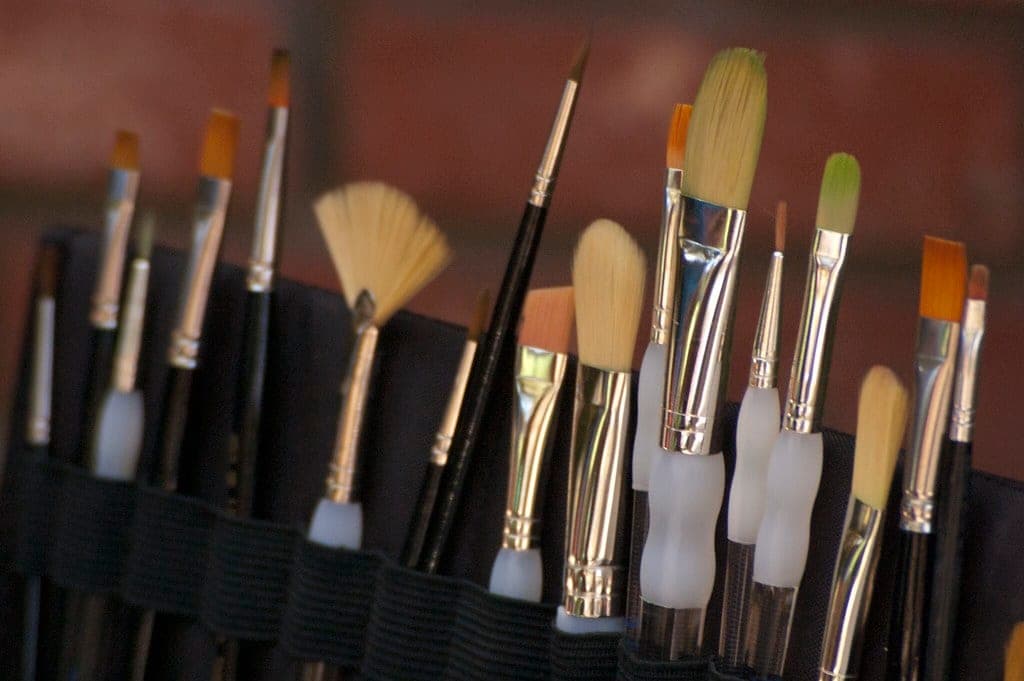 Rosemary & Co Series 33 Kolinsky SableKolinsky sable at a price that does not make you flinch when one eventually dies. The brush most experienced painters quietly settle on. | The one sable worth buying first | 9.3 | Check price on Amazon |
| 3 | The Army Painter Wargamer: DrybrushA short, stiff, blunt-ended brush built for the one technique that destroys normal brushes. The only shape here you should buy synthetic on purpose. | The shape to buy synthetic on purpose | 8.8 | Check price on Amazon |
| 4 | Citadel Colour Starter BrushA single synthetic brush that will basecoat a first squad adequately and then be replaced. Worth knowing about mostly because it comes free in the starter set. | Already in your starter set | 6.2 | Check price on Amazon |
| 5 |  The Masters Brush Cleaner and PreserverA soap paste that lifts dried acrylic out of the ferrule and reshapes the point. The cheapest thing you can buy that extends the life of an expensive brush. | Making all of them last | 9.4 | Check price on Amazon |
Scores are our own editorial read against the criteria stated below — not a lab measurement and not a user rating. Tap a row for the full write-up.
The shopping list
Three purchases, in this order, and you are equipped for your first army:
- A synthetic set covering the four shapes. Detail, layer, basecoat, drybrush. Cheap, because three of those four are going to be abused and the fourth you will outgrow.
- One inexpensive Kolinsky sable, size 1. This is the brush that changes what you can paint. It holds enough thinned paint to finish a stroke and it comes back to a point.
- Brush soap. Costs very little, doubles the life of the sable. Buy it at the same time, not after the brush has already died.
Total: about the price of two individual Citadel brushes, and far better equipped.
How we picked
- Does it hold a point long enough to learn on? A brush that splays in week two teaches you nothing except frustration.
- Is it cheap enough to not be precious about? Beginners ruin brushes. That is normal and fine, and it should not be expensive.
- Does the set cover shapes rather than sizes? Four shapes beats twelve sizes.
- What does it leave you still needing?
Why the twelve-brush bundle is a trap
The large cheap bundles look like extraordinary value and are mostly filler. A typical set gives you several sizes smaller than 0 — 3/0, 5/0, 10/0 — which are nearly useless for miniatures because they hold almost no paint and run dry mid-stroke. You get flats and filberts, which are watercolor shapes with no miniature application. And you get one or two actually useful rounds, of mediocre quality.
The useful content of a twelve-brush bundle is about three brushes. Buying those three individually costs about the same and they are better. This is the single most common wasted purchase in the hobby.
What beginners actually break, and why
Knowing this in advance saves you a brush:
Paint dries in the ferrule. New painters load the brush too far up, because unthinned paint does not travel to the tip and the instinct is to push more of the brush into it. The paint cures in the base of the bristles and splays them permanently. The actual fix is upstream: thin the paint properly and the tip carries enough on its own.
The brush lives in the water pot. Bristle-down, for an hour, while you do something else. It comes out bent and it never fully recovers.
Drybrushing with the good brush. It is the fastest way to destroy a point, and it happens because the drybrush in the set looks like the worst brush in the box. It is not the worst brush; it is the right shape for the job. See drybrushing.
All three are habits, not accidents, and they are covered properly in brush care.
When to upgrade
When the brush is the limiting factor rather than your hand. Concretely: when you can thin paint reliably, when you are attempting edge highlights, and when you find yourself going over the same highlight three times because the brush ran dry. At that point a better sable — a bigger belly, a finer point — buys you something real. See the main brush roundup and the detail brush picks.
Before then, a more expensive brush will not paint better than the one you have, and the same money spent on a wet palette or a decent lamp will change more about your results.
The picks in full
The Army Painter Wargamer Brush Set
Synthetic brushes covering detail, regiment, drybrush and basecoat in one box. Not the best brush of any type — the right set to learn on and not grieve over.
What it gets right
- Covers every brush shape a beginner needs without research
- Synthetic survives the abuse new painters inflict — dried paint, scrubbed drybrushing, standing in water
- The drybrush in particular is a shape you should never buy sable for
Who it is wrong for
- Synthetic points go soft and splay within months of real use
- The detail brush is outclassed by a single cheap sable
- You will replace the detail and layer brushes long before the drybrush
Scored against this page’s criteria
Specs from the manufacturer: The Army Painter product page
We do not publish prices. Amazon shows the current one, which is the only one that is ever right. #ad · how this is funded
Rosemary & Co Series 33 Kolinsky Sable
Kolinsky sable at a price that does not make you flinch when one eventually dies. The brush most experienced painters quietly settle on.
What it gets right
- Holds a genuine point and a useful belly of paint — the two things that actually matter
- Cheap enough that replacing one is an annoyance, not an event
- Hair length is cut short for miniature work rather than borrowed from watercolor
Who it is wrong for
- Direct from the maker in the UK, so US delivery is slower than a next-day order
- Sable dies if you let paint dry in the ferrule — these need actual care
- No fancy handle; the grip is a plain wooden taper
Scored against this page’s criteria
Specs from the manufacturer: Rosemary & Co product page
We do not publish prices. Amazon shows the current one, which is the only one that is ever right. #ad · how this is funded
The Army Painter Wargamer: Drybrush
A short, stiff, blunt-ended brush built for the one technique that destroys normal brushes. The only shape here you should buy synthetic on purpose.
What it gets right
- Stiff enough to push pigment onto raised edges rather than flood them
- Blunt end gives even coverage across a whole surface in seconds
- Cheap, because drybrushing is abuse and the brush is a consumable
Who it is wrong for
- Useless for anything but drybrushing and stippling
- Still wears out — the bristles shorten and the brush gets scratchier
- A worn-out old sable does the same job for free
Scored against this page’s criteria
Specs from the manufacturer: The Army Painter product page
We do not publish prices. Amazon shows the current one, which is the only one that is ever right. #ad · how this is funded
Citadel Colour Starter Brush
A single synthetic brush that will basecoat a first squad adequately and then be replaced. Worth knowing about mostly because it comes free in the starter set.
What it gets right
- Good enough to basecoat with on day one, which is all day one needs
- Already in the box if you bought the Citadel starter set
- No reason to be careful with it, which lowers the barrier to actually starting
Who it is wrong for
- Will not hold a point well enough for eyes, edges or freehand
- Splays quickly; treat it as disposable
- Buying one on its own makes little sense next to a cheap sable
Scored against this page’s criteria
Specs from the manufacturer: Citadel product page
We do not publish prices. Amazon shows the current one, which is the only one that is ever right. #ad · how this is funded
The Masters Brush Cleaner and Preserver
A soap paste that lifts dried acrylic out of the ferrule and reshapes the point. The cheapest thing you can buy that extends the life of an expensive brush.
What it gets right
- Pulls paint out of the base of the bristles, which is where brushes actually die
- Leaves a light conditioning film you can shape the point with before storing
- A 1 oz tub lasts years of regular painting
Who it is wrong for
- Will not rescue a brush with cured paint already locked in the ferrule
- Easy to scrub too hard and splay the brush you are trying to save
- Does nothing for a brush whose point has already been cut by solvent
Scored against this page’s criteria
We do not publish prices. Amazon shows the current one, which is the only one that is ever right. #ad · how this is funded
FAQ
Questions people actually ask
What brushes come in a Citadel starter set?
Is a twelve-brush beginner set worth buying?
How much should a beginner spend on brushes?
When should I upgrade my brushes?
More in Miniature Painting Brushes, or start from the beginning with what to buy first.
Sources
- The Army Painter — Wargamer brush rangechecked October 2026
- Games Workshop / Citadel Colour — tools and brusheschecked October 2026
- Rosemary & Co — Series 33 product listingchecked October 2026