The Best Detail Brushes for Miniatures
The counter-intuitive truth: the best detail brush is bigger than you think.

The short answer
A size 0 Kolinsky sable is the best detail brush for miniatures. A smaller brush is not sharper — it just holds less paint and runs dry mid-stroke. Detail comes from a sharp point and well-thinned paint, so the useful upgrade is better hair, not a smaller size.
The quick version
| # | Product | Best for | Score | Price |
|---|---|---|---|---|
| 1 | 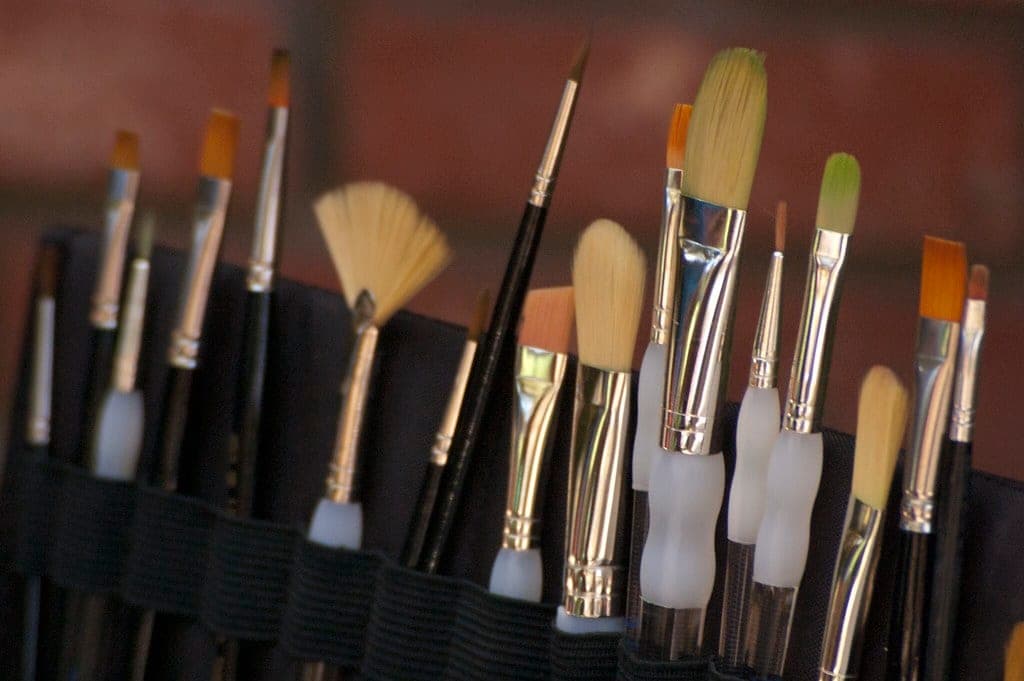 Rosemary & Co Series 33 Kolinsky SableKolinsky sable at a price that does not make you flinch when one eventually dies. The brush most experienced painters quietly settle on. | The best detail brush for the money | 9.3 | Check price on Amazon |
| 2 | Raphael 8404 Kolinsky SableA bigger belly than almost anything else at the same point size, so it carries enough thinned paint to finish a blend before the brush runs dry. | The sharpest point with a reservoir | 9.0 | Check price on Amazon |
| 3 |  Artis Opus Series SHigh-grade sable in a thicker handle that genuinely reduces hand fatigue. Sold as curated sets built around a technique rather than as loose sizes. | Long detail sessions | 8.6 | Check price on Amazon |
| 4 | The Army Painter Wargamer Brush SetSynthetic brushes covering detail, regiment, drybrush and basecoat in one box. Not the best brush of any type — the right set to learn on and not grieve over. | A detail brush inside a set | 8.3 | Check price on Amazon |
Scores are our own editorial read against the criteria stated below — not a lab measurement and not a user rating. Tap a row for the full write-up.
The size myth
The instinct when faced with a small detail is to buy a smaller brush. It is wrong, and understanding why saves you money and frustration.
A brush paints as fine a line as its point allows, not as its overall size suggests. A good size 1 sable and a good size 0 sable come to a similarly fine tip; the difference between them is how much paint sits in the belly behind that tip. Going down to a 3/0 or 10/0 does not sharpen the point meaningfully — it just removes the reservoir.
And a brush with no reservoir runs dry one third of the way through a stroke. You reload, go back, and now there is a visible join. That is what actually ruins detail work, not insufficient fineness.
So the upgrade path for detail is better hair, not smaller size. A size 0 Kolinsky sable will out-detail a 10/0 synthetic comprehensively.
How we picked
- Point sharpness when loaded. Not dry — loaded, which is when it matters.
- Snap. Does the tip return after a stroke, or stay bent?
- Reservoir behind the tip. Enough paint to finish a line in one pass.
- Consistency between brushes. A maker whose size 0 is reliably good matters more than one whose best brush is exceptional.
How eyes actually get painted
The common question behind this page, so here is the honest method, which involves no special brush at all:
- Paint the whole eye socket black or very dark brown. Both eyes, no precision needed.
- Paint two small horizontal lines of off-white across the socket, leaving a dark line above, below and between. You are painting the whites, not the eye.
- Put a tiny dark dot in the middle of each. Or skip it — at tabletop distance, the whites alone read as eyes.
- Tidy the skin around them with the flesh color. This is the step that actually makes it look right, and it is the one people skip.
Note that step 4 is where the result comes from. Eyes are painted by correcting around them, not by placing them perfectly. That is true of most fine detail, and it is why a brush that holds enough paint to make a clean correcting stroke matters more than one that is very slightly finer.
Thinning matters more than the brush
Unthinned paint will not travel to the tip of any brush. It sits in the belly, the tip stays dry, and you end up pushing more of the brush into the paint to compensate — which loads the ferrule and kills the brush.
Thinned correctly, paint wicks to the very tip and flows off it in a controlled line. The same brush goes from unusable to precise. If your detail work is not working, the paint is a more likely cause than the brush: how to thin miniature paint.
The other prerequisite is seeing what you are doing. Detail work at 28 mm is genuinely at the limit of unaided vision for most adults, and a magnifier changes more than a brush upgrade will. If your hands are the issue rather than your eyes, painting with shaky hands covers the practical adaptations.
Detail brushes die fastest
Because the tip is the whole product. A basecoat brush with a slightly splayed point still basecoats; a detail brush with a slightly splayed point is finished.
That makes care disproportionately valuable here. Rinse before the paint tacks, never let it near the ferrule, lay it flat, and use brush soap to reshape the point before storing. The routine is in brush care.
The picks in full
Rosemary & Co Series 33 Kolinsky Sable
Kolinsky sable at a price that does not make you flinch when one eventually dies. The brush most experienced painters quietly settle on.
What it gets right
- Holds a genuine point and a useful belly of paint — the two things that actually matter
- Cheap enough that replacing one is an annoyance, not an event
- Hair length is cut short for miniature work rather than borrowed from watercolor
Who it is wrong for
- Direct from the maker in the UK, so US delivery is slower than a next-day order
- Sable dies if you let paint dry in the ferrule — these need actual care
- No fancy handle; the grip is a plain wooden taper
Scored against this page’s criteria
Specs from the manufacturer: Rosemary & Co product page
We do not publish prices. Amazon shows the current one, which is the only one that is ever right. #ad · how this is funded
Raphael 8404 Kolinsky Sable
A bigger belly than almost anything else at the same point size, so it carries enough thinned paint to finish a blend before the brush runs dry.
What it gets right
- Carries enough paint for a long, smooth glaze or a wide highlight in one loaded stroke
- Point is as fine as anything on the market despite the bigger reservoir
- A long-standing artist-trade brush, so supply is stable and not hobby-fashion dependent
Who it is wrong for
- The belly is too much paint for tiny detail work; the point is not the problem, the volume is
- Costs several times a Rosemary & Co and will not last several times as long
- Overkill for a beginner who is still learning to thin paint
Scored against this page’s criteria
We do not publish prices. Amazon shows the current one, which is the only one that is ever right. #ad · how this is funded
Artis Opus Series S
High-grade sable in a thicker handle that genuinely reduces hand fatigue. Sold as curated sets built around a technique rather than as loose sizes.
What it gets right
- The fat handle is the real feature — it is the difference between a two-hour and a four-hour session
- Very sharp points, consistently, across the set
- Sets are assembled around a technique, so you are not guessing which sizes to buy
Who it is wrong for
- Set-only pricing means paying for sizes you may not use
- The most expensive way to buy sable in this list by a clear margin
- No advantage over a Rosemary & Co until your brush control is the limiting factor, not your paint
Scored against this page’s criteria
We do not publish prices. Amazon shows the current one, which is the only one that is ever right. #ad · how this is funded
The Army Painter Wargamer Brush Set
Synthetic brushes covering detail, regiment, drybrush and basecoat in one box. Not the best brush of any type — the right set to learn on and not grieve over.
What it gets right
- Covers every brush shape a beginner needs without research
- Synthetic survives the abuse new painters inflict — dried paint, scrubbed drybrushing, standing in water
- The drybrush in particular is a shape you should never buy sable for
Who it is wrong for
- Synthetic points go soft and splay within months of real use
- The detail brush is outclassed by a single cheap sable
- You will replace the detail and layer brushes long before the drybrush
Scored against this page’s criteria
Specs from the manufacturer: The Army Painter product page
We do not publish prices. Amazon shows the current one, which is the only one that is ever right. #ad · how this is funded
FAQ
Questions people actually ask
Is a 10/0 brush better for detail than a size 0?
What brush do I need to paint eyes?
Why can't I paint fine lines even with a good brush?
How do I keep a detail brush sharp?
More in Miniature Painting Brushes, or start from the beginning with what to buy first.
Sources
- Rosemary & Co — Series 33 product listingchecked October 2026
- The Army Painter — Wargamer brush rangechecked October 2026