The Best Miniature Painting Brushes
Two brushes paint an army. These are the ones worth owning, ranked on the two things that actually matter.

The short answer
The Rosemary & Co Series 33 is the best miniature painting brush for most people: genuine Kolinsky sable that holds a sharp point and a useful reservoir of paint, at a price that makes replacing one an annoyance rather than an event. Buy a size 1 and a size 0 and you can paint a whole army.
The quick version
| # | Product | Best for | Score | Price |
|---|---|---|---|---|
| 1 | 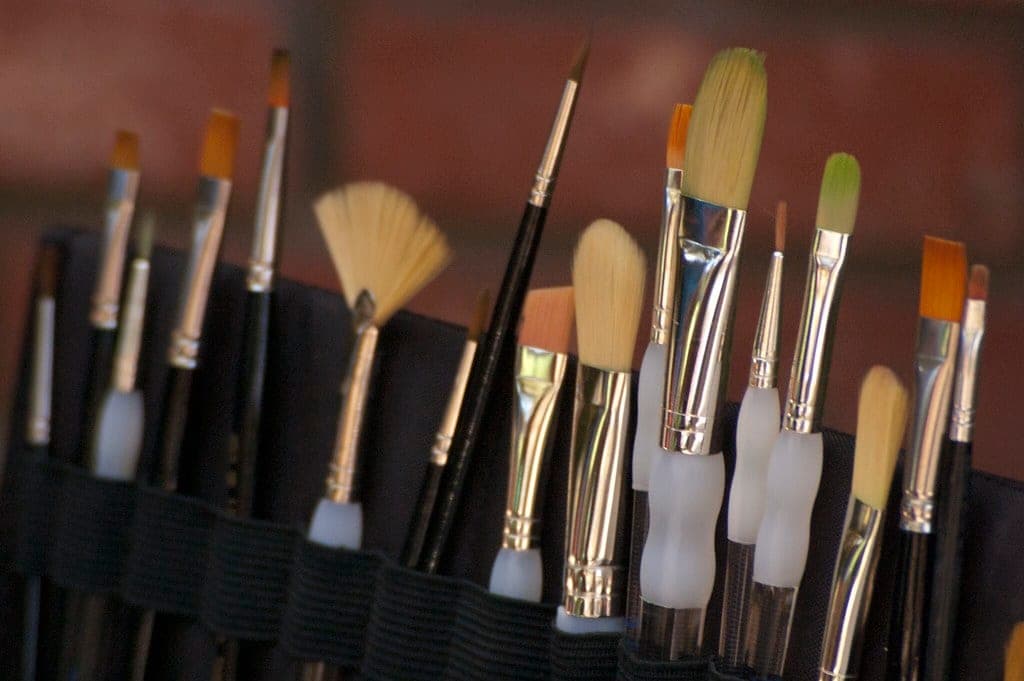 Rosemary & Co Series 33 Kolinsky SableKolinsky sable at a price that does not make you flinch when one eventually dies. The brush most experienced painters quietly settle on. | Best brush for the money | 9.3 | Check price on Amazon |
| 2 | Raphael 8404 Kolinsky SableA bigger belly than almost anything else at the same point size, so it carries enough thinned paint to finish a blend before the brush runs dry. | Blending and glazing | 9.0 | Check price on Amazon |
| 3 |  Artis Opus Series SHigh-grade sable in a thicker handle that genuinely reduces hand fatigue. Sold as curated sets built around a technique rather than as loose sizes. | Long sessions | 8.6 | Check price on Amazon |
| 4 | The Army Painter Wargamer Brush SetSynthetic brushes covering detail, regiment, drybrush and basecoat in one box. Not the best brush of any type — the right set to learn on and not grieve over. | A complete first kit | 8.3 | Check price on Amazon |
| 5 | The Army Painter Wargamer: DrybrushA short, stiff, blunt-ended brush built for the one technique that destroys normal brushes. The only shape here you should buy synthetic on purpose. | Drybrushing only | 8.8 | Check price on Amazon |
| 6 | Citadel Colour Starter BrushA single synthetic brush that will basecoat a first squad adequately and then be replaced. Worth knowing about mostly because it comes free in the starter set. | The cheapest possible start | 6.2 | Check price on Amazon |
Scores are our own editorial read against the criteria stated below — not a lab measurement and not a user rating. Tap a row for the full write-up.
How we picked
A miniature brush is judged on two properties and everything else is secondary.
- The point. Does the brush come to a single fine tip when loaded, and does it spring back to that tip after a stroke? A brush that splays mid-stroke cannot paint an eye however expensive it was.
- Paint capacity. How much thinned paint the belly holds. This decides whether a highlight takes one stroke or three, and three strokes never look like one.
- Durability — how long it keeps both of those under real use, which is mostly a function of how you treat it rather than what you paid.
- Comfort — handle thickness and balance. Irrelevant for ten minutes, decisive over four hours.
We do not claim to have run a controlled test of every brush on the same model. These picks are built from the makers’ published specifications, the hair grades they state, and the reasoning set out on the page, which is the standard described in our review policy.
The honest answer is two brushes
A size 1 round and a size 0 round will paint a complete army. The size 1 handles basecoating, layering and most detail; the size 0 does eyes, gems, lenses and edge work. That is roughly ninety percent of the brushwork on a 28 mm figure.
The shapes worth adding afterwards are not smaller — they are different jobs. A drybrush is short, stiff and blunt because drybrushing is abrasion. A large basecoat brush saves real time on cloaks and vehicles. Neither needs to be good; both need to be the right shape.
What is not worth adding is a 10/0. A brush that fine holds almost no paint, runs dry mid-stroke, and has no better a point than a well-maintained size 0. Fine detail comes from a sharp tip and well-thinned paint — see what size brush to use.
Sable or synthetic
Natural Kolinsky sable has a scaled hair structure that holds far more liquid and returns to a sharper point than any synthetic filament. That is the reason it costs more, and it is a genuine mechanical difference rather than a marketing one.
Synthetic is tougher and cheaper and does not mind abuse. Its point softens within months of real use — which for a drybrush does not matter at all and for a detail brush is the whole problem.
So: sable for detail and layering, synthetic for anything involving force. The full comparison is in synthetic vs sable, and what Kolinsky actually is is worth reading before you spend real money on it.
Where the money goes
Hair grade, handle, and brand, in descending order of how much they affect the paint on the model. Only the first changes how the brush paints; the second changes how your hand feels after three hours; the third accounts for a surprising share of the price gap between otherwise comparable sable.
Which is why the value answer here is an artist-trade sable rather than a hobby-branded one. The same Kolinsky hair, cut to a similar length for similar work, frequently costs a fraction as much because it is sold to painters rather than to wargamers. The detail is in cheap vs expensive brushes.
Making them last is most of the value
A sable brush that is looked after lasts a year or more of regular painting. The same brush treated carelessly lasts weeks, and the difference is three habits:
- Never let paint dry near the ferrule. The metal collar at the base of the bristles is where brushes die — paint cured in there splays the hairs permanently from the root. Load the tip, not the belly.
- Never stand a brush bristle-down in water. An hour is enough to bend it permanently, and the water wicks into the ferrule and loosens the glue.
- Never drybrush with a pointed brush. One session is enough to destroy the point.
The five-minute routine is in how to care for brushes, and brush soap is the cheapest thing you can buy that extends the life of an expensive brush.
The picks in full
Rosemary & Co Series 33 Kolinsky Sable
Kolinsky sable at a price that does not make you flinch when one eventually dies. The brush most experienced painters quietly settle on.
What it gets right
- Holds a genuine point and a useful belly of paint — the two things that actually matter
- Cheap enough that replacing one is an annoyance, not an event
- Hair length is cut short for miniature work rather than borrowed from watercolor
Who it is wrong for
- Direct from the maker in the UK, so US delivery is slower than a next-day order
- Sable dies if you let paint dry in the ferrule — these need actual care
- No fancy handle; the grip is a plain wooden taper
Scored against this page’s criteria
Specs from the manufacturer: Rosemary & Co product page
We do not publish prices. Amazon shows the current one, which is the only one that is ever right. #ad · how this is funded
Raphael 8404 Kolinsky Sable
A bigger belly than almost anything else at the same point size, so it carries enough thinned paint to finish a blend before the brush runs dry.
What it gets right
- Carries enough paint for a long, smooth glaze or a wide highlight in one loaded stroke
- Point is as fine as anything on the market despite the bigger reservoir
- A long-standing artist-trade brush, so supply is stable and not hobby-fashion dependent
Who it is wrong for
- The belly is too much paint for tiny detail work; the point is not the problem, the volume is
- Costs several times a Rosemary & Co and will not last several times as long
- Overkill for a beginner who is still learning to thin paint
Scored against this page’s criteria
We do not publish prices. Amazon shows the current one, which is the only one that is ever right. #ad · how this is funded
Artis Opus Series S
High-grade sable in a thicker handle that genuinely reduces hand fatigue. Sold as curated sets built around a technique rather than as loose sizes.
What it gets right
- The fat handle is the real feature — it is the difference between a two-hour and a four-hour session
- Very sharp points, consistently, across the set
- Sets are assembled around a technique, so you are not guessing which sizes to buy
Who it is wrong for
- Set-only pricing means paying for sizes you may not use
- The most expensive way to buy sable in this list by a clear margin
- No advantage over a Rosemary & Co until your brush control is the limiting factor, not your paint
Scored against this page’s criteria
We do not publish prices. Amazon shows the current one, which is the only one that is ever right. #ad · how this is funded
The Army Painter Wargamer Brush Set
Synthetic brushes covering detail, regiment, drybrush and basecoat in one box. Not the best brush of any type — the right set to learn on and not grieve over.
What it gets right
- Covers every brush shape a beginner needs without research
- Synthetic survives the abuse new painters inflict — dried paint, scrubbed drybrushing, standing in water
- The drybrush in particular is a shape you should never buy sable for
Who it is wrong for
- Synthetic points go soft and splay within months of real use
- The detail brush is outclassed by a single cheap sable
- You will replace the detail and layer brushes long before the drybrush
Scored against this page’s criteria
Specs from the manufacturer: The Army Painter product page
We do not publish prices. Amazon shows the current one, which is the only one that is ever right. #ad · how this is funded
The Army Painter Wargamer: Drybrush
A short, stiff, blunt-ended brush built for the one technique that destroys normal brushes. The only shape here you should buy synthetic on purpose.
What it gets right
- Stiff enough to push pigment onto raised edges rather than flood them
- Blunt end gives even coverage across a whole surface in seconds
- Cheap, because drybrushing is abuse and the brush is a consumable
Who it is wrong for
- Useless for anything but drybrushing and stippling
- Still wears out — the bristles shorten and the brush gets scratchier
- A worn-out old sable does the same job for free
Scored against this page’s criteria
Specs from the manufacturer: The Army Painter product page
We do not publish prices. Amazon shows the current one, which is the only one that is ever right. #ad · how this is funded
Citadel Colour Starter Brush
A single synthetic brush that will basecoat a first squad adequately and then be replaced. Worth knowing about mostly because it comes free in the starter set.
What it gets right
- Good enough to basecoat with on day one, which is all day one needs
- Already in the box if you bought the Citadel starter set
- No reason to be careful with it, which lowers the barrier to actually starting
Who it is wrong for
- Will not hold a point well enough for eyes, edges or freehand
- Splays quickly; treat it as disposable
- Buying one on its own makes little sense next to a cheap sable
Scored against this page’s criteria
Specs from the manufacturer: Citadel product page
We do not publish prices. Amazon shows the current one, which is the only one that is ever right. #ad · how this is funded
FAQ
Questions people actually ask
What size brush do I need for miniature painting?
Synthetic or sable — which should a beginner buy?
Are cheap brushes good enough to start with?
How many brushes do I actually need?
How long should a miniature paintbrush last?
More in Miniature Painting Brushes, or start from the beginning with what to buy first.
Sources
- Rosemary & Co — Series 33 product listingchecked October 2026
- The Army Painter — Wargamer brush rangechecked October 2026
- Games Workshop / Citadel Colour — tools and brusheschecked October 2026