Miniature Painting Supplies: What You Actually Need
Six things do ninety percent of the work. The rest of the shelf is for people who already know why they want it.

The short answer
The six miniature painting supplies you genuinely need are paint, a primer, two or three brushes, a wet palette, a water pot and something to hold the model. Everything else on a hobby shop shelf is an optimization you can buy later, once you know which part of painting you actually want to get faster at.
The quick version
| # | Product | Best for | Score | Price |
|---|---|---|---|---|
| 1 |  Citadel Colour: Warhammer 40,000 Paints + Tools SetThe only starter set that hands you paints, a brush, clippers and a moldline scraper at once, so nothing else is needed to finish a first squad. | The one-box version of this list | 9.0 | Check price on Amazon |
| 2 | 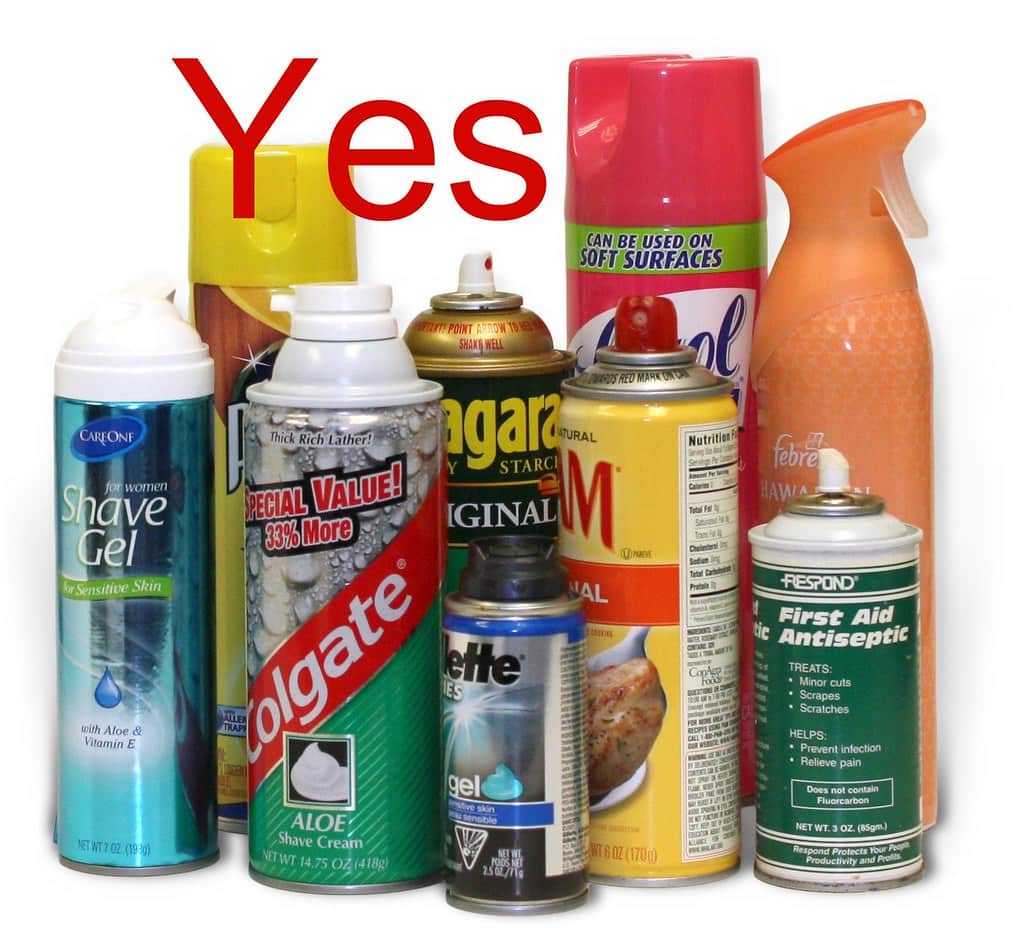 The Army Painter Colour Primer sprayA spray primer in army colors rather than just black, white and gray. Prime in your scheme's base color and you have saved an entire painting step. | Primer, the step people skip | 8.6 | Check price on Amazon |
| 3 | 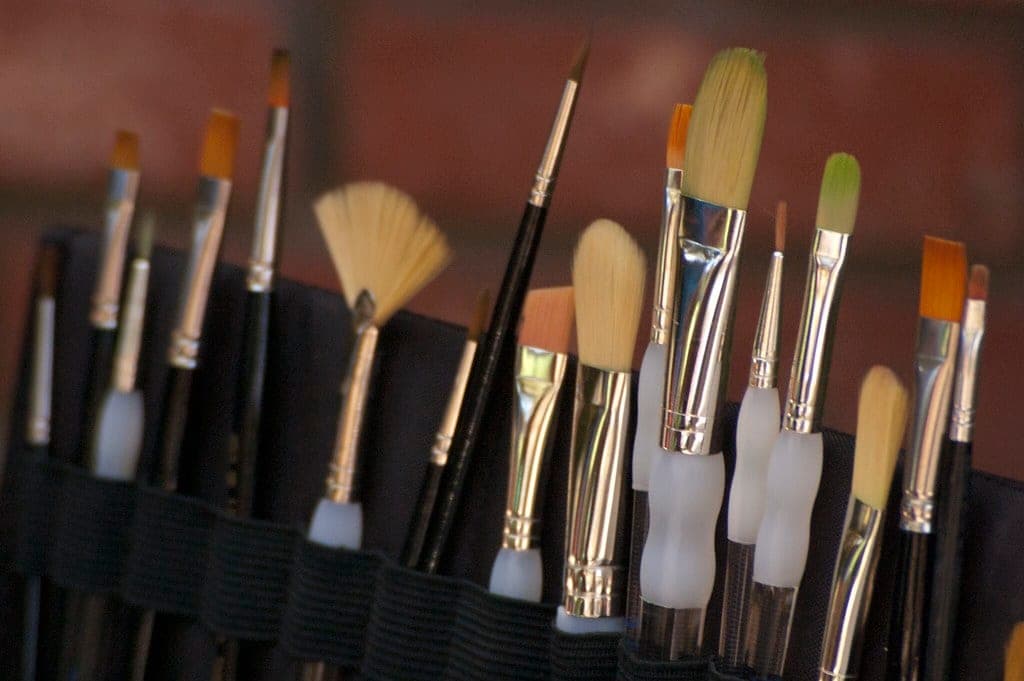 The Army Painter Wargamer Brush SetSynthetic brushes covering detail, regiment, drybrush and basecoat in one box. Not the best brush of any type — the right set to learn on and not grieve over. | Brushes that are not an afterthought | 8.3 | Check price on Amazon |
| 4 | 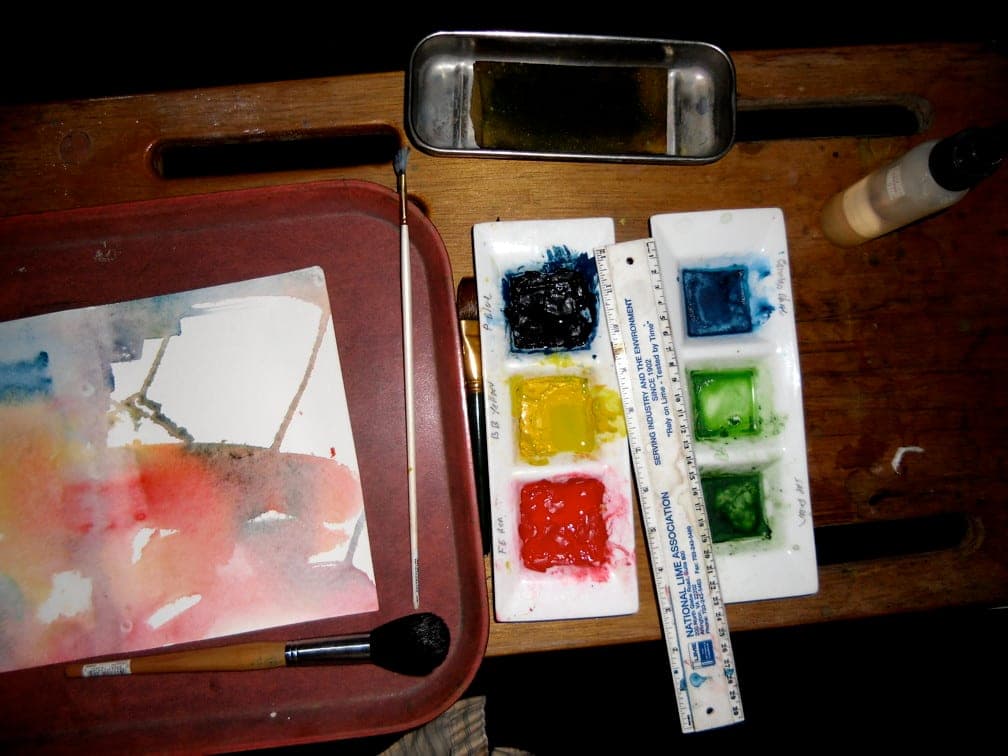 Redgrass Games Everlasting Wet Palette Painter LiteA sealed, mold-resistant wet palette small enough to live on a crowded desk. It keeps thinned paint usable for days instead of minutes. | The upgrade that changes your paint | 9.3 | Check price on Amazon |
Scores are our own editorial read against the criteria stated below — not a lab measurement and not a user rating. Tap a row for the full write-up.
The short list
Walk into a hobby shop and the supply wall is about forty products deep. Six of them are load-bearing. In rough buying order: primer, paint, brushes, a wet palette, a water pot and a model holder. If you own those six you can paint a miniature to a standard that looks deliberate on a table, and nothing else you add will matter as much as getting better at using them.
This page is the category-by-category version of that list — what each supply is for, how to tell a good one from a cheap one, and what it is reasonable to spend. If you want the literal nine-item buying order for a specific first army instead, that is your first army shopping list. If you want the total number before you commit, we costed it out in what it costs to start painting Warhammer.
Primer, which is not optional
Primer is first on the list because it is the supply beginners most often skip and the one whose absence does the most damage. Acrylic paint does not bond to bare plastic or resin particularly well. It sits on the surface, and it comes off on your fingertips while you work and on the table afterwards. Primer gives the paint a mechanically keyed surface to grip and gives you a uniform color to judge your first coat against.
A rattle can is the cheapest route and the best finish, with the caveat that it needs ventilation and a day that is neither humid nor cold. A brush-on or airbrush primer works indoors year round at the cost of a little more effort. The color you choose genuinely changes the result: black for fast dark armies, white for bright colors, gray as the compromise that flatters most schemes. That decision is worked through in black versus white versus gray, and the ranked picks are in the best primers for miniatures.
Paint: buy a set, not a wall
Paint is where the money goes and where the decision paralysis lives. The useful rule is to buy one set chosen for the thing you are actually painting, then buy individual pots only when you run out of a specific color. Buying twenty single pots because they looked nice is how people end up with forty paints and no way to shade any of them.
You need three functional types, not three brands. Opaque basecoats to establish color, a wash or shade to put shadow in the recesses, and one or two lighter tones for highlights. A good starter set contains all three; a bad one is twelve basecoats and nothing to make them look three-dimensional. Our ranked sets are in the best miniature paint sets for beginners, and the brand question is settled as far as it can be in Citadel versus The Army Painter versus Vallejo.
On cost per milliliter: dropper bottles are almost always cheaper than flip-top pots, and budget craft-adjacent model paints are cheaper again. The trade is pigment density and whether tutorials name your colors. We reviewed one of the cheap bulk options honestly in the Nicpro model paint set review — it is a real option for terrain and basecoats and a poor one for fine detail, and the page says so.
Brushes: two good ones beat ten bad ones
The single biggest quality jump available to a beginner for a small amount of money. A worn or cheap brush will not hold a point, and a brush that will not hold a point makes precise work impossible no matter how steady your hand is. People spend months assuming they are bad at painting when they are using a brush with a splayed tip.
You need three: a size 1 or 2 for most of the model, a size 0 or smaller for detail, and an old cheap one for drybrushing and metallics, which destroy brushes. That is it. Synthetic is entirely fine to learn on and considerably more forgiving of neglect than sable; the difference is laid out in synthetic versus sable. The starter picks are in the best beginner brushes.
Buy brush soap at the same time. A conditioning soap costs a fraction of one good brush and roughly doubles how long your brushes keep a point, which makes it the highest-return purchase on this entire page. The habits are in how to care for brushes.
A wet palette, earlier than you think
Most people buy this third or fourth. It should be second. Thinned paint on a dry palette starts skinning over in about two minutes, which is why so many beginners paint straight from the pot — not from preference, but because thinned paint kept dying on them. Painting from the pot gives thick, textured coats that obscure detail, and it is the single most common reason a first model looks clumsy.
A wet palette keeps paint at the consistency you mixed it at for hours, and overnight with a sealed lid. That makes thinning paint properly practical rather than a race. Buy a small one: a palette the size of a postcard holds five thinned colors and does not take over the desk. Picks are in the best wet palettes.
The cheap supplies nobody lists
- Two water pots, not one. One to rinse the dirty brush, one of clean water to thin with. A single pot means you are thinning paint with yesterday’s gray.
- A model holder. A cork, an old paint pot or a purpose-made handle. Holding the model directly means your fingers rub the paint off the parts you already finished.
- Kitchen roll. For wiping the brush to a point before every stroke. This is a technique, not a supply, and it is free.
- Clippers and a hobby knife if you are assembling anything, which you are. Teeth are not clippers.
- A lamp. Listed last because it is not a painting supply, and first in impact once you have the six above. Covered in the best hobby lamps.
What waits until month two
A varnish or topcoat. Needed only once you have finished models that will be handled or transported. Important then, pointless before. See do you need to seal miniatures.
Basing materials. Sand, tufts, glue. A finished model on a bare black base still looks finished, so this is a refinement rather than a requirement.
A magnifier. Buy this when you can see the detail but cannot tell whether your brush is on it — and buy a lamp first, because bright light sharpens close-up vision on its own. The ranked picks and the working-distance trap are in the best magnifier for painting miniatures.
Paint storage. A real problem at forty pots and a non-problem at twelve. See paint storage and racks.
What you can genuinely skip
An airbrush, for now. It is a real step up for priming and large smooth areas, and it is a second hobby with its own cleaning regime and failure modes. It solves problems a beginner does not have yet. The honest version of that argument is in do you need an airbrush.
Expensive sable brushes. Excellent, and wasted on someone still learning how much water to carry in the ferrule. Buy these when your synthetics are the limiting factor and you can tell that they are.
Specialist technical paints. Rust effects, crackle mediums, blood. Buy them for a specific model you are planning, never speculatively.
A second paint range. One range until you have emptied several pots. Mixing brands works fine, but it doubles your decisions for no benefit while you are still learning what the first range does.
The honest total
A starter paint set with tools, a can of primer, a three-brush set, a small wet palette and a bottle of brush soap is the complete working kit, and it is the cheapest route to a model you are not embarrassed by. Buying the all-in-one boxed sets is usually slightly more expensive per item than assembling it yourself and considerably more likely to actually get used, because nothing is missing on the evening you sit down to start.
What is not on this list, at any budget, is anything that makes painting faster before you can paint slowly. The supply that most improves a first model is a brush that holds a point and paint thinned enough to flow off it. Both are in the six above.
The picks in full
Citadel Colour: Warhammer 40,000 Paints + Tools Set
The only starter set that hands you paints, a brush, clippers and a moldline scraper at once, so nothing else is needed to finish a first squad.
What it gets right
- Covers all five Citadel paint types, so tutorials that name a Citadel color just work
- The clippers and moldline scraper mean you can go from box to painted without a second order
- Agrax Earthshade and Armageddon Dust are in the box, so shading and basing are solved on day one
Who it is wrong for
- Wrong buy if you are not painting Space Marines or Tyranids — the 13 colors are chosen for those two schemes
- 12 ml pots are the most expensive way to buy paint per milliliter
- The starter brush is a starter brush; you will replace it
Scored against this page’s criteria
Specs from the manufacturer: Citadel product page
We do not publish prices. Amazon shows the current one, which is the only one that is ever right. #ad · how this is funded
The Army Painter Colour Primer spray
A spray primer in army colors rather than just black, white and gray. Prime in your scheme's base color and you have saved an entire painting step.
What it gets right
- Priming in your base color removes a whole step from every model in the army
- 400 ml cans cover a lot of models for the money
- Matt finish gives later paint something to grip
Who it is wrong for
- Aerosol, so it needs dry weather, decent temperature and outdoor space
- Goes grainy fast in humidity or cold — the single most common primer complaint there is
- A colored primer locks you into that scheme; gray keeps your options open
Scored against this page’s criteria
Specs from the manufacturer: The Army Painter product page
We do not publish prices. Amazon shows the current one, which is the only one that is ever right. #ad · how this is funded
The Army Painter Wargamer Brush Set
Synthetic brushes covering detail, regiment, drybrush and basecoat in one box. Not the best brush of any type — the right set to learn on and not grieve over.
What it gets right
- Covers every brush shape a beginner needs without research
- Synthetic survives the abuse new painters inflict — dried paint, scrubbed drybrushing, standing in water
- The drybrush in particular is a shape you should never buy sable for
Who it is wrong for
- Synthetic points go soft and splay within months of real use
- The detail brush is outclassed by a single cheap sable
- You will replace the detail and layer brushes long before the drybrush
Scored against this page’s criteria
Specs from the manufacturer: The Army Painter product page
We do not publish prices. Amazon shows the current one, which is the only one that is ever right. #ad · how this is funded
Redgrass Games Everlasting Wet Palette Painter Lite
A sealed, mold-resistant wet palette small enough to live on a crowded desk. It keeps thinned paint usable for days instead of minutes.
What it gets right
- Paint stays workable for days with the lid on, which is the entire point of a wet palette
- Small footprint — it fits beside a model rather than replacing your desk
- Membranes and foam are sold as refills, so the palette itself is a one-time buy
Who it is wrong for
- Too small for batch-painting a whole regiment's worth of colors at once
- Refill membranes are a recurring cost you should price in
- Still molds if you leave paint and water in it for two weeks — nothing fixes neglect
Scored against this page’s criteria
Specs from the manufacturer: Redgrass Games product page
We do not publish prices. Amazon shows the current one, which is the only one that is ever right. #ad · how this is funded
FAQ
Questions people actually ask
What supplies do I need to start painting miniatures?
Do I really need primer?
Is it cheaper to buy a starter set or individual paints?
How many brushes do I actually need?
What miniature painting supplies are a waste of money for a beginner?
More in Painting and Building Guides, or start from the beginning with what to buy first.
Sources
- Games Workshop / Citadel Colour — ranges and accessorieschecked October 2026
- The Army Painter — Warpaints, Speedpaint and Wargamer rangeschecked October 2026
- Redgrass Games — wet palettes, handles and lampschecked October 2026