Drybrushing Miniatures
The fastest technique in the hobby, and the one most often done with the wrong brush, too much paint and too much pressure.
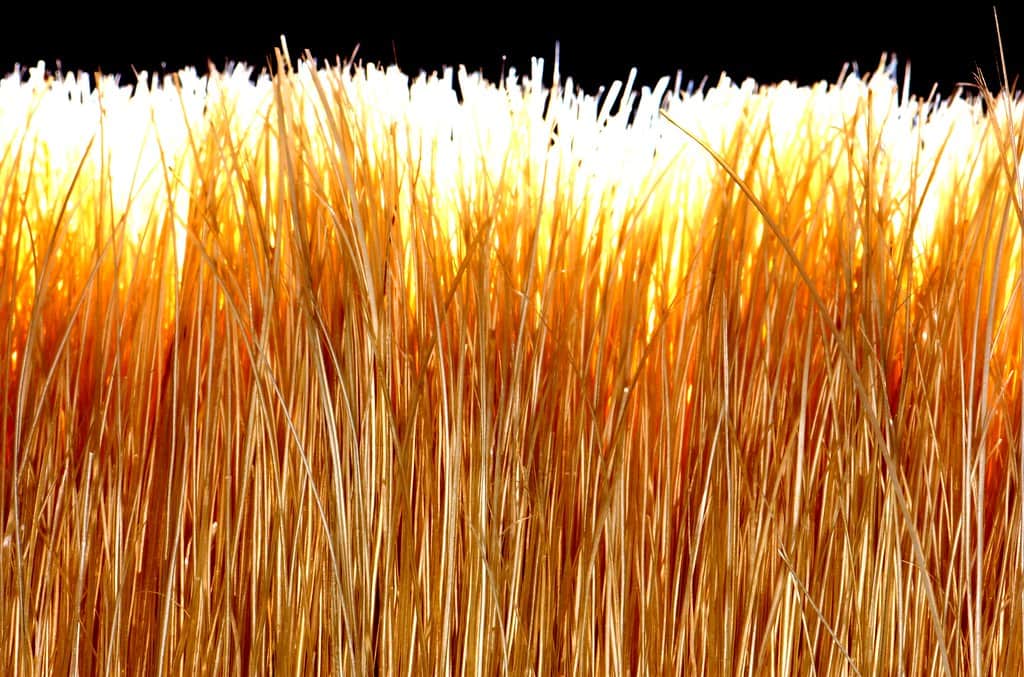
The short answer
To drybrush a miniature, load a stiff, blunt brush with unthinned paint, then wipe it on a paper towel until almost nothing comes off. Flick the brush lightly across raised edges so paint catches only the high points. If you can see brush strokes, there was too much paint on it.
The quick version
| # | Product | Best for | Score | Price |
|---|---|---|---|---|
| 1 | 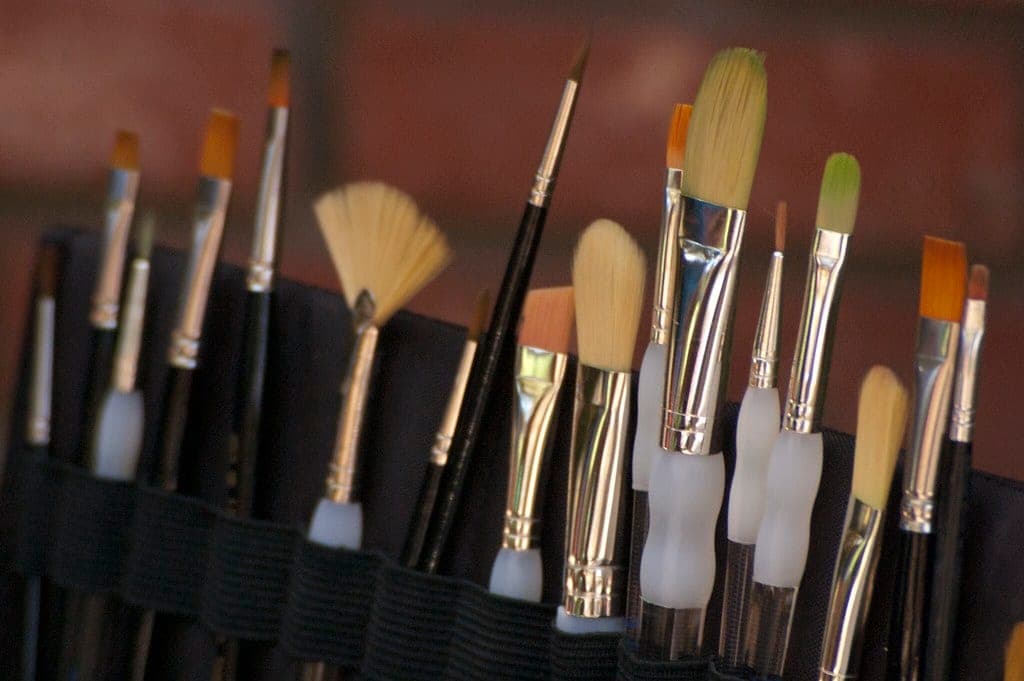 The Army Painter Wargamer: DrybrushA short, stiff, blunt-ended brush built for the one technique that destroys normal brushes. The only shape here you should buy synthetic on purpose. | The brush to use | 8.8 | Check price on Amazon |
| 2 |  The Masters Brush Cleaner and PreserverA soap paste that lifts dried acrylic out of the ferrule and reshapes the point. The cheapest thing you can buy that extends the life of an expensive brush. | Keeping it alive | 9.4 | Check price on Amazon |
| 3 |  Citadel Base: LeadbelcherA dark, high-pigment silver that covers in one coat and takes a wash beautifully. The metallic nearly every tutorial starts from. | What drybrushing does best | 9.0 | Check price on Amazon |
Scores are our own editorial read against the criteria stated below — not a lab measurement and not a user rating. Tap a row for the full write-up.
What drybrushing actually does
Drybrushing is a shortcut for highlighting. Instead of carefully painting a lighter color onto each raised edge, you let the physics do it: a nearly-dry brush dragged across a surface only deposits paint where the surface sticks out far enough to catch the bristles.
That gives you highlights on every raised edge of a model in seconds rather than minutes, which is why it is the backbone of fast army painting. The trade is control — you get highlights everywhere the geometry sticks out, including places you might not want them.
How dry is “dry”?
Drier than you think. Wipe the brush on a paper towel until a firm stroke leaves almost no visible mark. At that point it feels like there is no paint left on it at all, and that is exactly the right amount.
The failure mode of too much paint is unmistakable: a chalky, dusty film across flat surfaces, visible brush strokes, and detail that looks smothered rather than highlighted. If a drybrushed model looks powdery, the brush was too wet.
A useful test: drybrush a stroke on your palette or the back of your hand first. If you can see a solid line of color, go back to the towel.
Pressure and angle
Light, and shallow. The bristle tips should graze the surface, not be pressed into it. Pressing the brush bends the bristles so their sides contact the recesses, which deposits paint in exactly the places drybrushing exists to avoid.
Move across the detail rather than along it. On a chainmail cloak, sweep perpendicular to the links; on a stone base, sweep across the ridges. And keep the strokes fast — a slow drag presses harder without you noticing.
What drybrushing is good at, and what it is not
Excellent on: metallics, fur, hair, chainmail, rough stone, bases, wooden planks, rust and anything with a lot of fine repeated texture. Metallic paint in particular drybrushes beautifully, because the flake catches the light on the edges it lands on.
Poor on: large smooth panels, faces, cloth with soft folds, and anything where you want a clean edge highlight. On a flat space marine shoulder pad, drybrushing leaves a visible dusty haze where a brushed edge highlight leaves a crisp line.
The practical approach: drybrush the textured areas, edge highlight the smooth ones. They are complementary techniques, not competing ones — see how to paint miniatures for beginners for where each sits in the sequence.
Why it destroys brushes, and which to sacrifice
Drybrushing works the bristles sideways against a hard surface with minimal lubrication. That splays the tip, and once splayed it does not come back. It also drives paint up into the ferrule, where it dries and forces the remaining bristles apart permanently.
So: never drybrush with sable, and never with a brush you use for detail. Use a dedicated stiff synthetic with short blunt bristles — they are cheap, they are designed to be consumed, and the stiffness genuinely works better. The drybrush roundup ranks them, and how to care for brushes explains the ferrule problem in detail.
Wash it the moment you finish, with brush soap rather than water alone. Water will not shift unthinned paint out of the ferrule.
Fixing an over-drybrushed model
It happens, and it is recoverable. A wash in a darker tone over the top knocks the chalky haze back and re-establishes the shadows — our wash picks cover which. If the haze is severe, re-base-coat the affected panel and start that area again; a second drybrush over the first only makes it worse.
The preventative version is simpler: two light passes instead of one heavy one, and check the model under your actual painting light between passes rather than afterwards.
Drybrushing is one of six techniques that cover almost every model; basic painting techniques shows where it sits relative to washing, layering and edge highlighting.
The picks in full
The Army Painter Wargamer: Drybrush
A short, stiff, blunt-ended brush built for the one technique that destroys normal brushes. The only shape here you should buy synthetic on purpose.
What it gets right
- Stiff enough to push pigment onto raised edges rather than flood them
- Blunt end gives even coverage across a whole surface in seconds
- Cheap, because drybrushing is abuse and the brush is a consumable
Who it is wrong for
- Useless for anything but drybrushing and stippling
- Still wears out — the bristles shorten and the brush gets scratchier
- A worn-out old sable does the same job for free
Scored against this page’s criteria
Specs from the manufacturer: The Army Painter product page
We do not publish prices. Amazon shows the current one, which is the only one that is ever right. #ad · how this is funded
The Masters Brush Cleaner and Preserver
A soap paste that lifts dried acrylic out of the ferrule and reshapes the point. The cheapest thing you can buy that extends the life of an expensive brush.
What it gets right
- Pulls paint out of the base of the bristles, which is where brushes actually die
- Leaves a light conditioning film you can shape the point with before storing
- A 1 oz tub lasts years of regular painting
Who it is wrong for
- Will not rescue a brush with cured paint already locked in the ferrule
- Easy to scrub too hard and splay the brush you are trying to save
- Does nothing for a brush whose point has already been cut by solvent
Scored against this page’s criteria
We do not publish prices. Amazon shows the current one, which is the only one that is ever right. #ad · how this is funded
Citadel Base: Leadbelcher
A dark, high-pigment silver that covers in one coat and takes a wash beautifully. The metallic nearly every tutorial starts from.
What it gets right
- Opaque in one coat over black primer, which most metallics are not
- Dark enough that a Nuln Oil wash reads as shadow rather than dirt
- Sold as a spray too, which is the fastest way to do a whole metal army
Who it is wrong for
- Too dark if you want bright chrome or polished steel — that is Stormhost Silver territory
- Metallic flake clogs a fine detail brush fast; keep a dedicated brush for metals
- 12 ml goes quickly when you are basecoating whole vehicles
Scored against this page’s criteria
Specs from the manufacturer: Citadel product page
We do not publish prices. Amazon shows the current one, which is the only one that is ever right. #ad · how this is funded
FAQ
Questions people actually ask
How dry should a drybrush be?
Why does my drybrushing look chalky?
What brush should I use for drybrushing?
Should you thin paint for drybrushing?
What should you not drybrush?
More in Painting and Building Guides, or start from the beginning with what to buy first.
Sources
- The Army Painter — Wargamer brush rangechecked October 2026
- Games Workshop / Citadel Colour — paint and texture rangeschecked October 2026