The Best Contrast and Speed Paints
Five ranges now sell the same promise: basecoat and shade in one pass. They are not equally good at it, and the differences show up in the first ten minutes.
The short answer
Citadel Contrast covers most reliably in a single coat and is the range every tutorial names, so it is the one to buy if you want recipes you can follow literally. Speedpaint 2.0 is cheaper per milliliter with a wider range, and Vallejo Xpress Color is the most forgiving of the three if you have never used a one-coat paint before.
The quick version
| # | Product | Best for | Score | Price |
|---|---|---|---|---|
| 1 |  Citadel Contrast paintsCitadel's one-coat range. Thicker and more pigmented than Speedpaint, which means better coverage and less of a tendency to blotch. | Best one-coat paint overall | 8.7 | Check price on Amazon |
| 2 |  The Army Painter Speedpaint Starter Set 2.0One coat basecoats and shades at the same time. If the goal is a finished-looking army rather than a display piece, nothing else gets you there in fewer hours. | Best way to start | 8.6 | Check price on Amazon |
| 3 | Vallejo Xpress Color Starter Set (72.209)Twelve Xpress Color droppers, a brush, a miniature and an illustrated guide. Thinner and more fluid than Citadel Contrast, which makes it the most forgiving of the three big ranges on a first attempt. | Best cheap entry | 8.3 | Check price on Amazon |
| 4 |  The Army Painter Speedpaint Mega Set 2.0Forty-six Speedpaint colors, three Speedpaint metallics and a medium. Absurd overkill for one squad, and the cheapest per-bottle way to paint a full army. | Best for a whole army at once | 8.2 | Check price on Amazon |
| 5 | 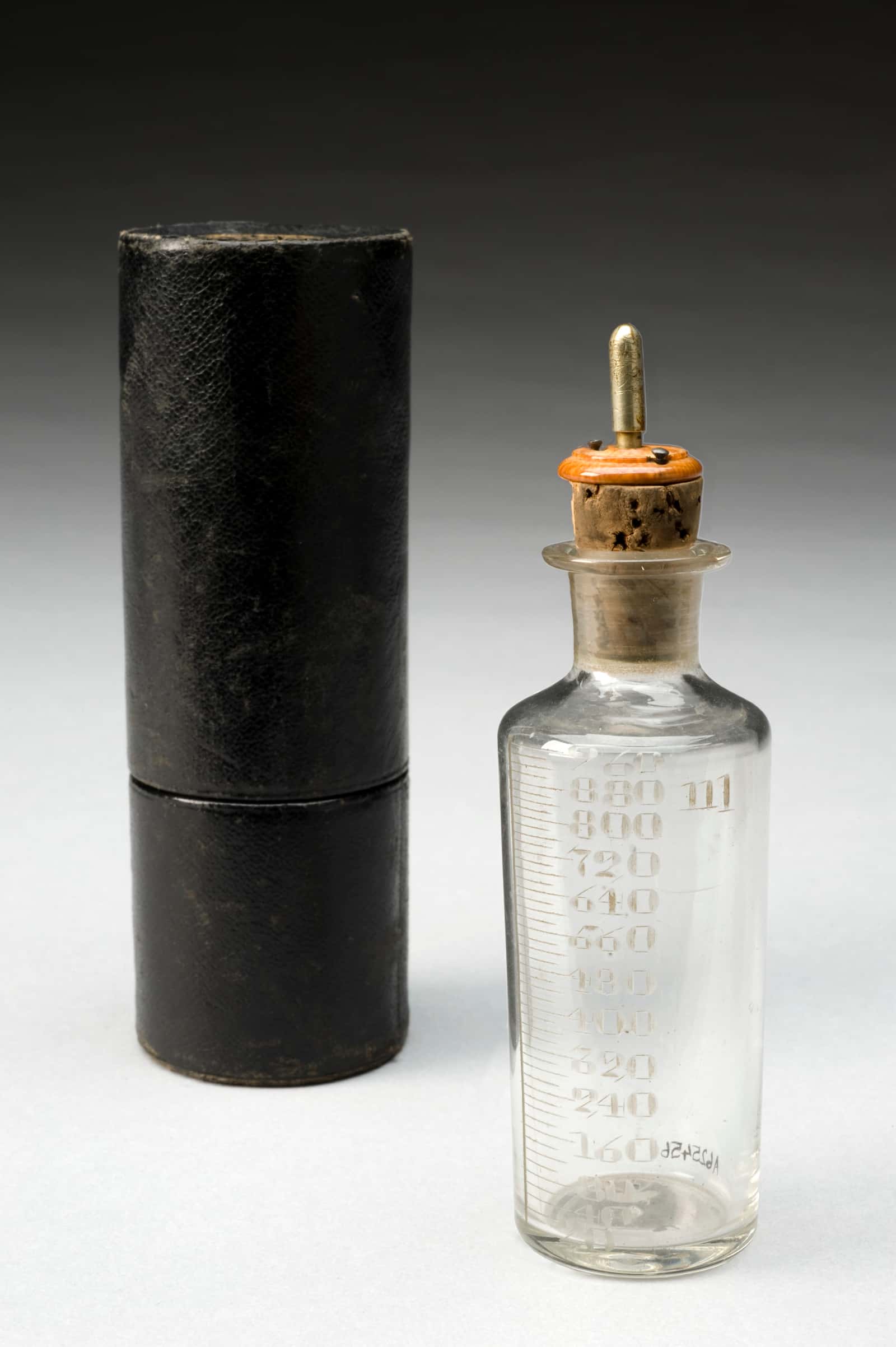 Scale75 Instant Colors (17 ml)Scale75's answer to Contrast, in 17 ml droppers with an agitator ball in the bottle. Lower intensity per coat than Citadel, and a dead-matte finish that photographs better than any of them. | Best matte finish | 8.0 | Check price on Amazon |
| 6 |  Green Stuff World Dipping Inks (17 ml)Water-based acrylic inks in 17 ml dropper bottles with a mixing ball, sold individually and in large sets. More transparent than Contrast, which makes them better over a painted basecoat than over bare primer. | Best value per bottle | 7.8 | Check price on Amazon |
| 7 | 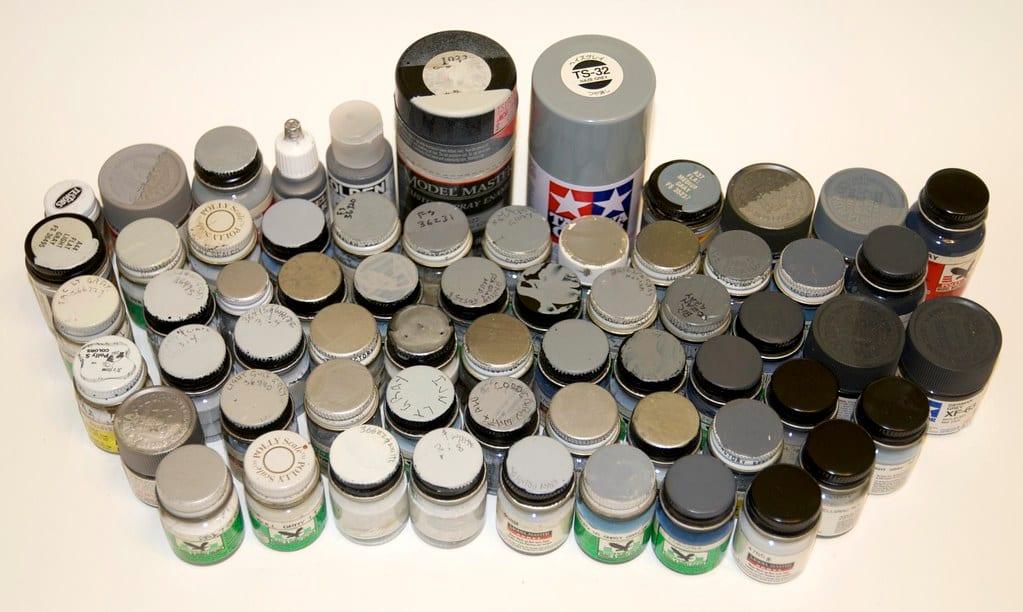 The Army Painter Speedpaint Medium 2.0The bottle that makes Speedpaint behave. Water breaks the resin medium and causes the blotching everyone complains about; this thins the paint without breaking it. | The bottle that fixes blotching | 8.5 | Check price on Amazon |
| 8 |  Citadel Spray: Grey SeerThe light gray primer Contrast paints are formulated for. Also the most forgiving primer color full stop, because it flatters both light and dark schemes. | The primer all of them need | 8.7 | Check price on Amazon |
Scores are our own editorial read against the criteria stated below — not a lab measurement and not a user rating. Tap a row for the full write-up.
What we judged these on
Every range on this page sells the same promise — one pass of a transparent, heavily tinted paint that pools in the recesses and thins out over the raised areas, so basecoat and shade happen at the same time. The promise is real. What varies is how well each range keeps it, and four things decide that:
- One-coat coverage. After one pass and no touch-ups, does the model read as a finished color, or as a wash over primer? This is the single biggest difference between the ranges and the one the marketing never admits to.
- Blotch resistance. Load the brush too heavily, go back over a half-dried patch, or thin with plain water, and a one-coat paint dries in hard-edged tide marks. Some ranges punish that far harder than others.
- Range breadth. Not just how many colors exist, but whether you can buy a single bottle of the one you ran out of without reordering a set.
- Cost per milliliter. These paints get used in volume, because the whole point is covering a lot of models quickly. A range that is 40% more per milliliter is a genuinely different proposition at army scale than at one-model scale.
Scores are our own editorial read against those four criteria, not a lab measurement, and we have no test rig to pretend otherwise. Specs come from the makers’ own listings and from live retailer pages, cited at the bottom of the page. We do not print prices — a stale number is worse than none — so cost shows up as brackets in the prose and the buy links go to live listings.
Why one coat works at all
All of these paints are the same trick: a lot of pigment suspended in a medium that flows and self-levels instead of staying where the brush put it. Flood a panel and the paint runs off the high points and collects in the low ones while it dries. The high points end up light, the recesses end up dark, and you have a shaded model from one pass.
That is also the whole list of their limitations, because every one of them follows from the same mechanism. Transparent paint shows what is underneath, so the primer is not a detail — it is half the color. Self-leveling paint keeps moving while it dries, so touching a drying edge leaves a mark. And a paint that gets its shading from pooling cannot also give you a smooth gradient, because smooth gradients are the opposite of pooling.
If you want the mechanism in full, we have it in two places: Citadel Contrast paints explained and Army Painter Speedpaint explained. This page is about which bottle to buy.
The five ranges actually on sale
Three years ago this was a two-horse race. It is not any more, and two of the newer entries are genuinely better at specific jobs than either of the originals.
Citadel Contrast
The most pigmented of the group, in 18 ml pots, and the range every painting tutorial on the internet names by color. It covers in one pass more reliably than anything else here. It is also the most expensive per milliliter by a clear margin, and it is the fussiest about what it goes over: Citadel designed it around their own Wraithbone and Grey Seer primers and it genuinely does go patchy over a plain hardware-store white.
The Army Painter Speedpaint 2.0
Dropper bottles, a wider range than Citadel including metallics, and meaningfully cheaper per milliliter. The 2.0 reformulation addressed the original range’s worst problem, which was reactivating under a varnish and streaking a finished model. It still blotches more readily than Contrast if you flood it, and it still wants a light primer underneath.
Vallejo Xpress Color
More fluid than either of the above, which is the reason to pick it: it self-levels instead of sitting where a heavy brush dumped it, so a first attempt looks less like a first attempt. The trade is intensity — one coat of an Xpress Color reads lighter than one coat of the Contrast of the same name, so deep tones want a second pass. The 12 bottle starter set includes a brush, a miniature and an illustrated guide, which makes it the least intimidating box on the shelf.
Scale75 Instant Colors
17 ml droppers with an agitator ball already in the bottle, and the flattest finish of the group — properly matte where Contrast and Speedpaint both dry with some sheen. If you photograph your models, that matters more than it sounds. Scale75 also sells matching bone and light-gray primers, which is the correct thing for a one-coat range to do. The catch is availability: fewer US retailers stock it, and no tutorial anywhere names an Instant Colors shade.
Green Stuff World dipping inks
The cheapest way to own one-coat color, in 17 ml droppers with a mixing ball, sold individually as well as in large sets. They are more transparent than the rest, which makes them the wrong tool over bare primer and the right tool over a basecoat — as a tinted glaze they are excellent, and as a one-pass basecoat-and-shade they are the weakest here. Buy them as a supplement, not as your range.
The primer is half the purchase
This is the part people skip and then conclude the paint is bad. A transparent paint over black primer is a transparent paint over black: you will see almost nothing. Every range here needs a light undercoat, and the lighter and warmer it is, the more the color sings.
Citadel sells Wraithbone (warm bone) and Grey Seer (cool light gray) specifically for this, and Scale75 sells Bone Charm and Ice Charm for the same reason. A bone primer pushes everything warmer and is kinder to skin tones and leather; a light gray keeps colors truer and suits blues, greens and anything that should read as cold. Neither is wrong.
There is one trap worth naming: Contrast over a bare, flat, hardware-store white can go patchy in a way it does not over Wraithbone or Grey Seer, which is why Citadel is so insistent about its own primers. If you are picking an undercoat for a one-coat army, black vs white vs gray primer works through the choice, and the spray primer roundup has the cans that actually lay down a usable light coat.
Blotching, and the bottle that fixes it
Nearly every complaint about one-coat paint is the same complaint: hard-edged patches where the paint dried in two stages. It has three causes and all three are fixable.
You thinned it with water. This is the big one, and it is specific to Speedpaint: water dilutes the resin medium that makes the paint behave, and the result separates as it dries. Speedpaint Medium is the same medium without the pigment, so it thins and lightens the paint without breaking it. Citadel Contrast has its own Contrast Medium doing the same job, and the two are not interchangeable.
You went back over it. Self-leveling paint is still moving for a while after the brush leaves. Touching a drying edge drags a tide mark into it. The discipline is to lay the coat down, move on, and come back when it is fully dry — which is also why one-coat paints suit batch painting so well. Five models in rotation means each one is dry by the time you reach it again.
You loaded the brush. A one-coat paint wants a damp brush, not a wet one. Pull the excess off on the edge of the pot or a piece of paper towel before it touches the model. A wet palette helps here, with one caveat: the sponge keeps adding water, so these paints are better decanted onto the palette film in small amounts than left to sit and dilute.
These ranges separate harder than normal paint
A heavily pigmented, low-binder paint settles. Leave a Contrast pot or a Speedpaint dropper alone for a month and the top third of the bottle is medium and the bottom third is pigment, and a half-hearted shake does not fix it — you will paint a pass of tinted medium onto a model, wonder why it covered nothing, and blame the range.
The Scale75 and Green Stuff World bottles ship with an agitator ball for exactly this reason. Citadel pots and Army Painter droppers do not, which is why the cheapest worthwhile accessory in this part of the hobby is a bag of stainless mixing balls. We ranked the options for getting paint properly mixed, machines included, in the best paint shakers and mixers for miniatures.
What one-coat paint will not do
Three things, and being straight about them is the difference between a tool and a disappointment.
Smooth blends. A paint that shades by pooling cannot give you a gradient. Highlights on a one-coat model are a separate job with a layer paint afterwards, which takes nothing away from the hours the first pass saved you.
Metallics that read as metal. Speedpaint has metallics and they are genuinely useful, but a transparent metallic over a light primer is not the same as a proper metallic over a dark one. If the army is mostly armor plate, see the best metallic paints for miniatures — that is a different product category doing a different job.
Coverage over a mistake. Transparent paint hides nothing. A fingerprint in the primer, a mold line you missed, a patch where the primer went thin — all of it comes through. One-coat painting rewards clean prep more than brush painting does, not less.
Sealing a one-coat army
Worth a paragraph because it used to be the range’s worst failure. The original Speedpaint could reactivate when a varnish went over it, pulling color across the model and ruining finished work. Speedpaint 2.0 was reformulated specifically to address that.
Either way, the safe method has not changed: test on a spare model, spray in light passes rather than one wet coat, and do not flood a varnish onto a one-coat paint job. Our guide to sealing miniatures covers the method, and the matte topcoat roundup covers the cans.
What this actually costs
We do not publish prices, but the shape of the market is stable enough to describe. Citadel Contrast sits at the top of the per-milliliter scale. Speedpaint 2.0 is noticeably cheaper per milliliter and the Mega Set is cheaper again per bottle. Vallejo Xpress Color sits in the same bracket as Speedpaint. Scale75 Instant Colors is comparable to Vallejo where you can find it, and Green Stuff World dipping inks are the cheapest per bottle of anything here by a clear margin.
The cost that actually matters, though, is the one nobody counts: a large set is only cheap per bottle if you use the bottles. A 46 color Speedpaint set is the lowest per-unit price on this page and a bad buy for someone painting one squad, because two thirds of it will dry out unopened. Buy a starter set, paint ten models, and then buy singles of the four colors you actually ran out of. The arithmetic on starting from nothing is in what it costs to start painting Warhammer.
The verdict
Buy Citadel Contrast if you want to follow tutorials literally. It covers best in one pass, every painting video names its colors, and the ecosystem of primers and mediums around it is the most complete. You pay the most per milliliter for that and it is a defensible price for a first army.
Buy the Speedpaint 2.0 starter set if you are painting an army. Cheaper per milliliter, wider range, droppers rather than pots, and the Mega Set exists when you are certain. Add the Speedpaint Medium at the same time — it is the difference between the range’s reputation and its reality.
Buy Vallejo Xpress Color if you have never done this before. The most forgiving of the three on a first attempt, and the starter set hands you a brush, a miniature and a guide so you can practice on something that is not your army.
Buy Scale75 Instant Colors if finish matters more than convenience, and Green Stuff World dipping inks as a supplement rather than as your range — brilliant as tinted glazes over a basecoat, weakest of the group as a one-pass basecoat.
And buy the primer in the same order as the paint. Whichever range you pick, a light bone or gray undercoat is doing half the work. Skipping it is the single most common reason someone decides one-coat paint “does not work”.
If you are still choosing between the two big ranges rather than the whole field, Speedpaint vs Contrast is the head-to-head, and the best beginner paint sets covers the conventional palette these one-coat ranges are meant to speed up, not replace.
The picks in full
Citadel Contrast paints
Citadel's one-coat range. Thicker and more pigmented than Speedpaint, which means better coverage and less of a tendency to blotch.
What it gets right
- More pigment than Speedpaint, so it covers in one pass more reliably
- Named in the official painting guides, so tutorials are followable literally
- Thins with Contrast Medium to glaze, which Speedpaint does less gracefully
Who it is wrong for
- Only really works over Citadel's own light primers — over plain white it goes patchy
- The 18 ml pot is expensive against a Speedpaint dropper of the same size
- Still a one-coat product; it will not give you smooth blends
Scored against this page’s criteria
Specs from the manufacturer: Citadel product page
We do not publish prices. Amazon shows the current one, which is the only one that is ever right. #ad · how this is funded
The Army Painter Speedpaint Starter Set 2.0
One coat basecoats and shades at the same time. If the goal is a finished-looking army rather than a display piece, nothing else gets you there in fewer hours.
What it gets right
- Basecoat and shade in a single pass — the biggest single time saving available to a new painter
- 2.0 reformulated to fix the original range's reactivation problem when varnishing
- Mixes with Speedpaint Medium to dial the intensity down without buying more colors
Who it is wrong for
- Needs a light primer; over black primer Speedpaint does almost nothing
- Pools and blotches if you flood it — it rewards a damp brush, not a loaded one
- Not the tool for smooth blends or crisp highlights; that is still a job for layer paints
Scored against this page’s criteria
Specs from the manufacturer: The Army Painter product page
We do not publish prices. Amazon shows the current one, which is the only one that is ever right. #ad · how this is funded
Vallejo Xpress Color Starter Set (72.209)
Twelve Xpress Color droppers, a brush, a miniature and an illustrated guide. Thinner and more fluid than Citadel Contrast, which makes it the most forgiving of the three big ranges on a first attempt.
What it gets right
- More fluid than Citadel Contrast, so it self-levels instead of pooling into a tide mark
- Dropper bottles, which means you can measure a drop onto a palette instead of dipping a pot
- The illustrated guide and the included miniature mean you can practice before you touch an army
Who it is wrong for
- Twelve colors is a demonstration palette, not a scheme — expect to buy singles almost immediately
- One coat is visibly less intense than a Citadel Contrast of the same shade, so dark tones need two
- The included synthetic brush is a token; it is not the brush you will finish the model with
Scored against this page’s criteria
Specs from the manufacturer: Vallejo product page
We do not publish prices. Amazon shows the current one, which is the only one that is ever right. #ad · how this is funded
The Army Painter Speedpaint Mega Set 2.0
Forty-six Speedpaint colors, three Speedpaint metallics and a medium. Absurd overkill for one squad, and the cheapest per-bottle way to paint a full army.
What it gets right
- The per-bottle cost is the lowest in the Speedpaint range by a wide margin
- Includes the Speedpaint metallics, which are hard to substitute from other ranges
- Enough colors that you will never be blocked mid-army waiting on one shade
Who it is wrong for
- A large outlay for a hobby you have not committed to yet — buy the starter set first
- Most painters will never open a good third of the bottles
- Still needs a light primer and still will not blend
Scored against this page’s criteria
Specs from the manufacturer: The Army Painter product page
We do not publish prices. Amazon shows the current one, which is the only one that is ever right. #ad · how this is funded
Scale75 Instant Colors (17 ml)
Scale75's answer to Contrast, in 17 ml droppers with an agitator ball in the bottle. Lower intensity per coat than Citadel, and a dead-matte finish that photographs better than any of them.
What it gets right
- Dead-matte when dry, where Contrast and Speedpaint both dry with some sheen
- An agitator ball is in every bottle, so the first drop is paint rather than binder
- Scale75 sells its own bone and light-gray primers, which are what any one-coat paint actually needs
Who it is wrong for
- A single coat reads lighter than a Citadel Contrast of a similar shade — plan on two for dark tones
- Sold through fewer US retailers than Citadel, Army Painter or Vallejo, so single-bottle top-ups are slower
- No tutorial on the internet names an Instant Colors shade, so you are converting recipes by eye
Scored against this page’s criteria
Specs from the manufacturer: Scale75 product page
We do not publish prices. Amazon shows the current one, which is the only one that is ever right. #ad · how this is funded
Green Stuff World Dipping Inks (17 ml)
Water-based acrylic inks in 17 ml dropper bottles with a mixing ball, sold individually and in large sets. More transparent than Contrast, which makes them better over a painted basecoat than over bare primer.
What it gets right
- The cheapest per bottle of the one-coat ranges, and you can buy exactly the five colors a scheme needs
- Behaves beautifully as a tinted glaze over a basecoat — closer to a colored wash than a basecoat-plus-shade
- A mixing ball in every bottle, and dropper caps rather than pots
Who it is wrong for
- More transparent than Citadel Contrast, so over bare primer it reads as a wash, not a finished color
- Color names map to nothing any tutorial uses, so you are matching shades by eye in a web listing
- Stocked by fewer US retailers than the big three, and the range changes faster than they do
Scored against this page’s criteria
Specs from the manufacturer: Green Stuff World product page
We do not publish prices. Amazon shows the current one, which is the only one that is ever right. #ad · how this is funded
The Army Painter Speedpaint Medium 2.0
The bottle that makes Speedpaint behave. Water breaks the resin medium and causes the blotching everyone complains about; this thins the paint without breaking it.
What it gets right
- Solves the single most common complaint about one-coat paint, which is blotching from over-thinning with water
- Lets you lighten a color without buying a lighter bottle, which effectively widens the range you own
- A little goes a very long way; one bottle outlasts several colors
Who it is wrong for
- An extra purchase on top of a set that already felt complete
- Does nothing for Citadel Contrast — that range has its own medium and they are not interchangeable
- Over-thin with it and you get a weak wash rather than a basecoat; it is a dial, not a fix-all
Scored against this page’s criteria
Specs from the manufacturer: The Army Painter product page
We do not publish prices. Amazon shows the current one, which is the only one that is ever right. #ad · how this is funded
Citadel Spray: Grey Seer
The light gray primer Contrast paints are formulated for. Also the most forgiving primer color full stop, because it flatters both light and dark schemes.
What it gets right
- The primer Contrast paints were designed against — colors come out as the pot suggests
- Light enough for bright colors, dark enough that shadows are not fighting you
- Shows up mold lines and gaps while you can still fix them
Who it is wrong for
- Aerosol, with the same weather constraints as any spray can
- Neither the deep shadows of black nor the brightness of white; it is a compromise by design
- Priced at Citadel levels for what is, chemically, gray primer
Scored against this page’s criteria
Specs from the manufacturer: Citadel product page
We do not publish prices. Amazon shows the current one, which is the only one that is ever right. #ad · how this is funded
FAQ
Questions people actually ask
What are the best contrast paints for miniatures?
Is Speedpaint better than Contrast?
Why is my contrast paint blotchy?
Do you need a special primer for Contrast or Speedpaint?
Can you use contrast paint over black primer?
Do contrast and speed paints need a second coat?
Can you varnish over Speedpaint?
Are contrast paints good for beginners?
More in Miniature Paints and Paint Sets, or start from the beginning with what to buy first.
Sources
- Warhammer / Citadel Colour — Contrast paint range and the primers it is designed forchecked November 2026
- The Army Painter — Speedpaint 2.0 range, Speedpaint Medium and set contentschecked November 2026
- Vallejo — Xpress Color range, 18 ml dropper bottleschecked November 2026
- Scenery Workshop — Xpress Color Starter Set 72.209, 12 x 18 ml plus brush, miniature and guidechecked November 2026
- Tale of Painters — Scale75 Instant Colors review: 17 ml droppers, agitator ball, Bone/Ice/Holy Charm primerschecked November 2026
- Green Stuff World — Dipping Inks, 17 ml dropper bottles with mixing ballchecked November 2026