Citadel Paint Conversion: How to Follow Tutorials With Cheaper Paint
Tutorials name Citadel colors. Your paints do not. Here is how to translate, and where translation stops mattering.
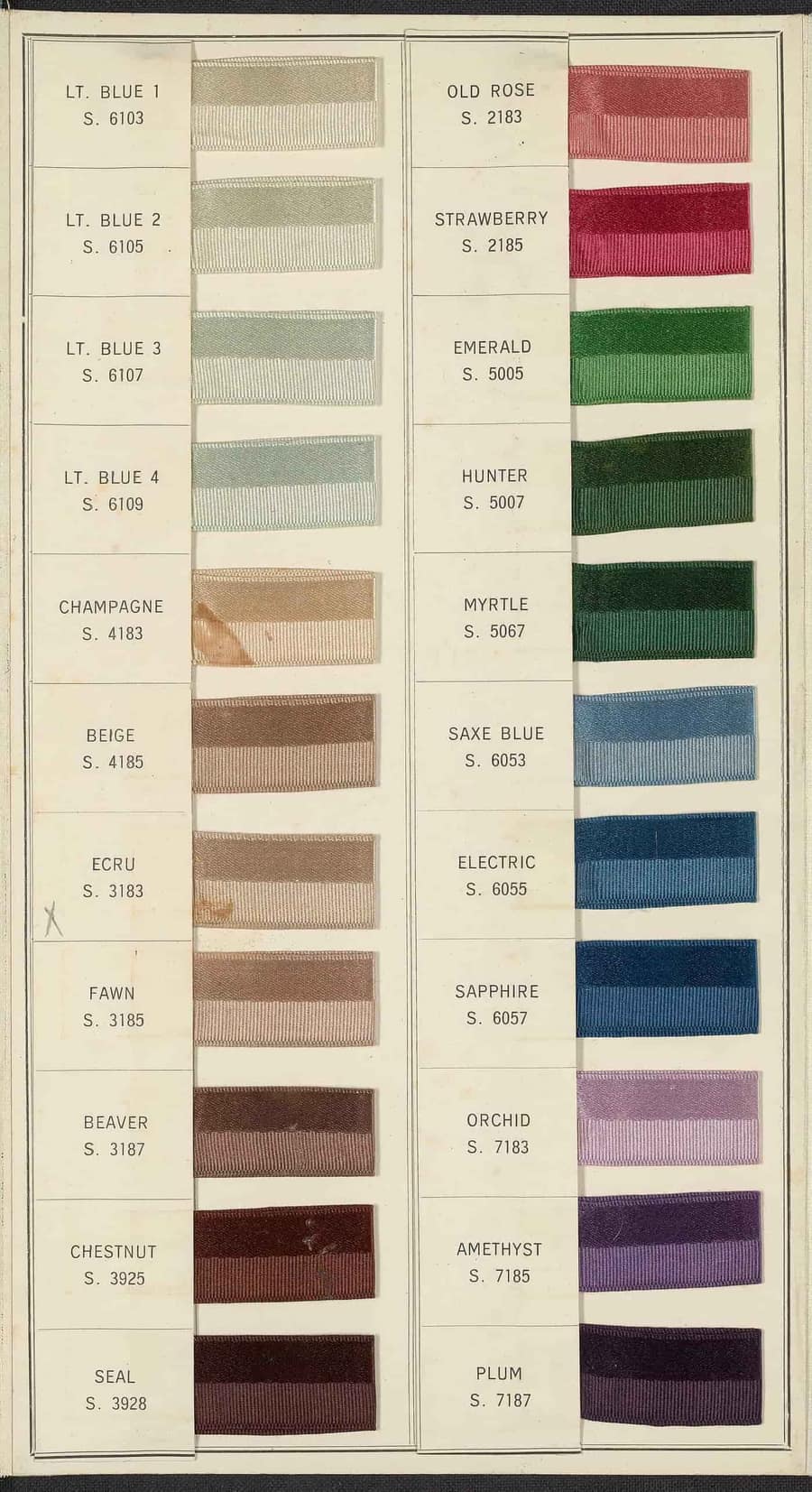
The short answer
There is no exact conversion between paint ranges, because each brand mixes its own pigments. For basecoats and washes, the nearest match in hue and value is close enough that the finished model looks right. For a specific named highlight in a step-by-step scheme, matching matters more and buying that one Citadel pot is often cheaper than guessing.
The quick version
| # | Product | Best for | Score | Price |
|---|---|---|---|---|
| 1 |  Vallejo Game Color Introduction Set (72.299)Sixteen 18 ml bottles covering the whole color wheel plus three metallics. The cheapest honest route to a complete working palette. | Translating a Citadel scheme | 8.4 | Check price on Amazon |
| 2 |  The Army Painter Warpaints Fanatic Starter SetEleven 18 ml dropper bottles plus a primer, a brush and a practice miniature. More paint than the Citadel starter for less money, and dropper bottles that do not dry out. | A cheaper range with its own names | 8.8 | Check price on Amazon |
| 3 | Citadel Colour: Base Paint SetFifteen of the most-used Base colors in one box. The right second purchase once a starter set has told you which colors you actually run out of. | Following tutorials literally | 7.8 | Check price on Amazon |
Scores are our own editorial read against the criteria stated below — not a lab measurement and not a user rating. Tap a row for the full write-up.
Why we are not publishing a big lookup table
You will find many sites offering a definitive Citadel-to-Vallejo conversion table. Treat all of them with suspicion, including the ones that look authoritative, for three reasons.
Exact matches do not exist. Each manufacturer mixes its own pigments to its own recipes. Two paints can look identical in the pot and differ once thinned, or match on a swatch and diverge over a different primer. A table that gives you a single confident answer is overstating what it knows.
Ranges change. Citadel has renamed and reformulated colors several times, and so have Vallejo and Army Painter. A chart compiled three years ago contains colors that no longer exist. Publishing a static table here would mean publishing something that silently rots.
It is the wrong tool for the problem. What you actually need is not a lookup — it is the ability to look at a color in a tutorial and pick the right thing from what you own. That skill is worth more than any table and takes about ten minutes to learn.
So instead: the method, and where to find a current chart maintained by people who keep it current.
The method
Convert on three properties, in this order of importance.
- Value — how light or dark it is. This matters most and people check it least. A basecoat two steps too light will make every subsequent highlight wrong. Squint at the tutorial color and at your pot; if one looks obviously lighter, it is the wrong match whatever the hue.
- Hue — where it sits on the color wheel. Is it a green-leaning blue or a purple-leaning blue? Getting this within a reasonable margin is usually enough.
- Saturation — how intense it is. Least important, and the easiest to correct later: a wash desaturates, a brighter layer re-saturates.
A useful shortcut: look up the Citadel color’s official swatch on the manufacturer’s own site rather than relying on a photograph of a painted model. Model photos are lit and edited, and the color you see is not the color in the pot.
Where matching matters, and where it does not
| What you are converting | How close you need to be | Why |
|---|---|---|
| A basecoat | Roughly | It will be washed and highlighted; the final color is a composite anyway. |
| A wash or shade | Just get the tone family right | Brown or black is the real decision, not which brown. |
| A metallic | Light or dark, that is all | Dark silver versus bright silver is the only meaningful distinction. |
| A named edge highlight in a step-by-step scheme | Closely | Highlights only read correctly in relation to the basecoat below. Two steps off and the contrast is wrong. |
| A specific signature color (a faction’s exact armor) | Buy the pot | If matching a published scheme exactly is the goal, one Citadel pot costs less than three attempts to mix it. |
That last row is the honest advice people avoid giving. Conversion is a cost-saving measure across a whole palette, not a rule you have to follow for every color. Running Vallejo for twenty colors and buying two Citadel pots for the two that matter is a perfectly sensible outcome.
Mixing is often better than matching
For highlights particularly, you do not need a matching pot at all. A highlight is your basecoat plus white, or plus a lighter version of the same hue. That is how painters worked before anyone sold a Layer range, and it has two advantages: the highlight is guaranteed to relate correctly to the basecoat, and it costs nothing.
Mix on a wet palette so the mix stays usable long enough to finish the model — this is the main practical reason a wet palette matters for anyone converting between ranges.
Where to find a maintained chart
The manufacturers publish their own current color ranges with official swatches, which is the primary source worth trusting, and it is what we check against:
- Citadel’s own color range, with official swatches for every current paint
- Vallejo’s product catalog, with the color chart per range
- The Army Painter’s Warpaints Fanatic range listing
Those are linked in the sources below. Community-maintained cross-reference charts exist and are genuinely useful; check when one was last updated before relying on it, because a stale chart is worse than no chart.
Or: start on Citadel and switch later
The alternative to all of this is to buy Citadel for your first few months, follow tutorials literally without translating anything, and switch to a cheaper range once you are choosing colors rather than following them. That is the path most painters actually take, and it is not a worse decision than converting from day one.
The trade-off is set out in Citadel vs Vallejo, and the sets are in the starter set roundup.
The picks in full
Vallejo Game Color Introduction Set (72.299)
Sixteen 18 ml bottles covering the whole color wheel plus three metallics. The cheapest honest route to a complete working palette.
What it gets right
- 288 ml of paint in one box — roughly double a Citadel starter set for comparable money
- Includes the three metallics most sets leave out, so you are not buying silver separately
- Spans the full color wheel rather than one faction's scheme, so it fits any army
Who it is wrong for
- No brush, no primer, no shade — it is paint and nothing else
- Some colors need two thin coats where a Citadel Base needs one
- Vallejo names match no tutorial you will watch; keep a conversion chart open
Scored against this page’s criteria
Specs from the manufacturer: Vallejo product page
We do not publish prices. Amazon shows the current one, which is the only one that is ever right. #ad · how this is funded
The Army Painter Warpaints Fanatic Starter Set
Eleven 18 ml dropper bottles plus a primer, a brush and a practice miniature. More paint than the Citadel starter for less money, and dropper bottles that do not dry out.
What it gets right
- 18 ml dropper bottles — half again the volume of a Citadel pot, and no skin forming on a lid
- A primer in the box means you are not blocked waiting on a second order
- The included miniature gives you something to ruin before you touch your actual army
Who it is wrong for
- Color names do not match Citadel tutorials, so you will need a conversion chart at first
- Droppers need a shake and a squeeze; some painters find pots faster to dip into
- Eleven colors is a narrower palette than the 13-plus-tools Citadel box
Scored against this page’s criteria
Specs from the manufacturer: The Army Painter product page
We do not publish prices. Amazon shows the current one, which is the only one that is ever right. #ad · how this is funded
Citadel Colour: Base Paint Set
Fifteen of the most-used Base colors in one box. The right second purchase once a starter set has told you which colors you actually run out of.
What it gets right
- Base paints are the opaque workhorses; this is the range you empty fastest
- Every color name matches the official painting guides exactly
- Cheaper per pot than buying the same fifteen individually
Who it is wrong for
- No brush, no tools, no shades — this is a refill, not a starter kit
- Paying Citadel prices for colors Vallejo sells in bigger bottles for less
- Fifteen Base colors with no Shade in the box leaves you unable to finish a model
Scored against this page’s criteria
Specs from the manufacturer: Citadel product page
We do not publish prices. Amazon shows the current one, which is the only one that is ever right. #ad · how this is funded
FAQ
Questions people actually ask
Do I need a paint conversion chart?
Is there an exact Citadel to Vallejo conversion?
How do I find a Citadel color's actual shade?
Can I just mix my own highlight colors?
More in Miniature Paints and Paint Sets, or start from the beginning with what to buy first.
Sources
- Citadel Colour — official paint range and swatcheschecked October 2026
- Acrylicos Vallejo — official product rangechecked October 2026
- The Army Painter — official product rangechecked October 2026