The Best Gunpla Tools for Beginners
Three tools build a kit properly. The twenty-piece bundle sells you seventeen you will not touch.
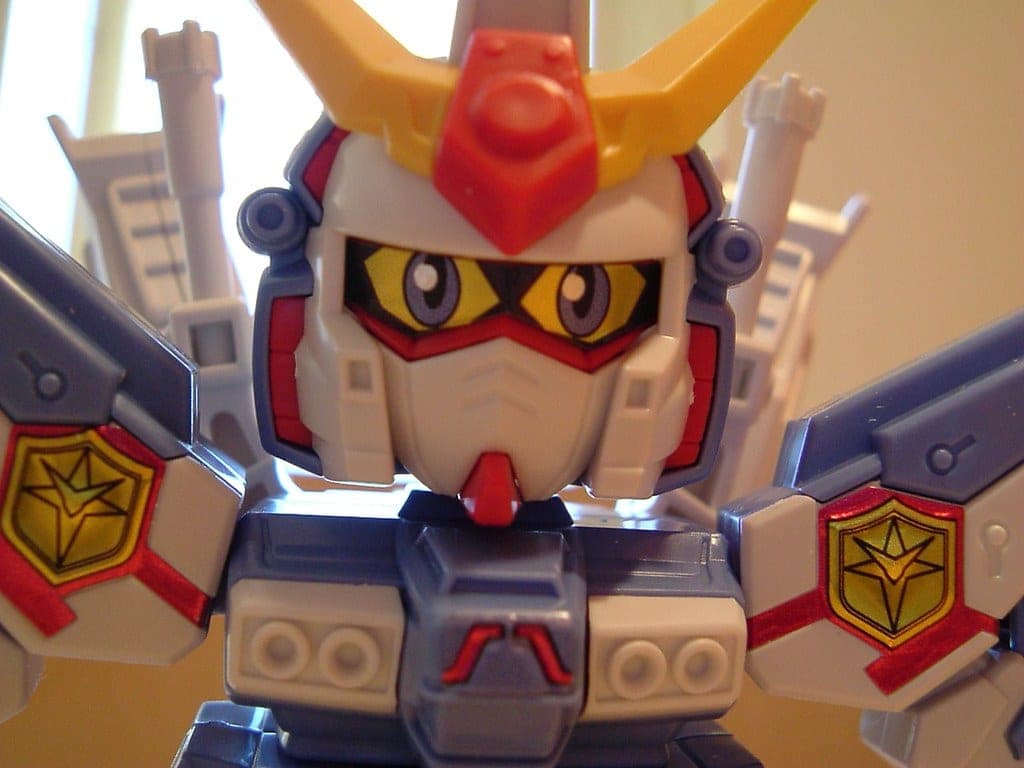
The short answer
Buy a single-blade nipper first — the Tamiya Sharp Pointed Side Cutter is the best first one — then a hobby knife and sanding sticks. Those three tools plus a cutting mat build a kit cleanly. Add cement, panel liner and a topcoat only once you know you want to paint or line the model.
The quick version
| # | Product | Best for | Score | Price |
|---|---|---|---|---|
| 1 |  Tamiya Sharp Pointed Side CutterSlim, pointed jaws that get into a crowded runner, in a tool sturdy enough to survive years of ordinary use. The sensible first buy. | Best first nipper | 9.0 | Check price on Amazon |
| 2 | 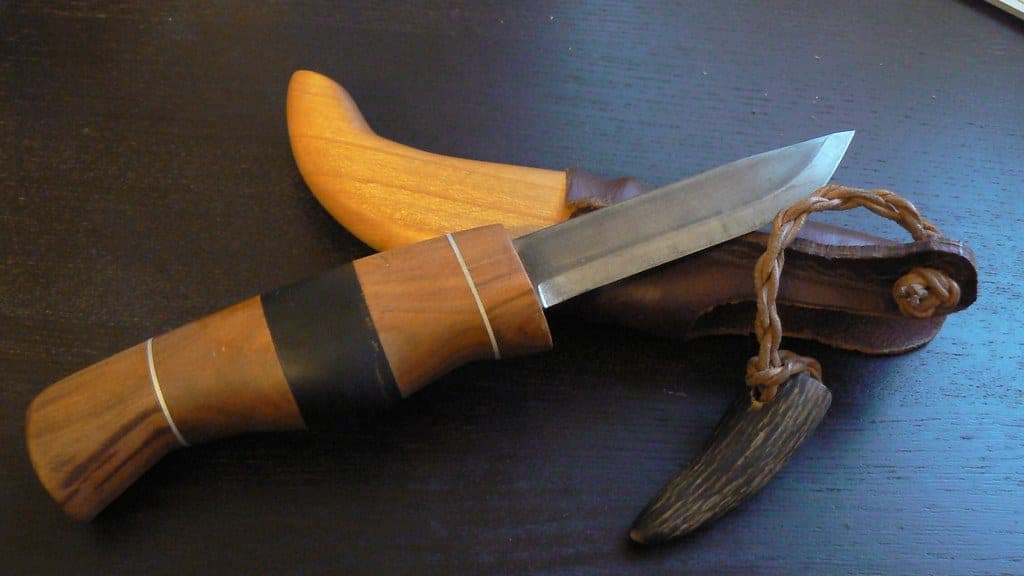 Olfa Art Knife (AK-4)A slim aluminum handle with a genuinely sharp, cheap, replaceable blade. The blade supply is the real argument — a dull knife is what tears plastic. | Cleaning nub marks | 9.2 | Check price on Amazon |
| 3 | 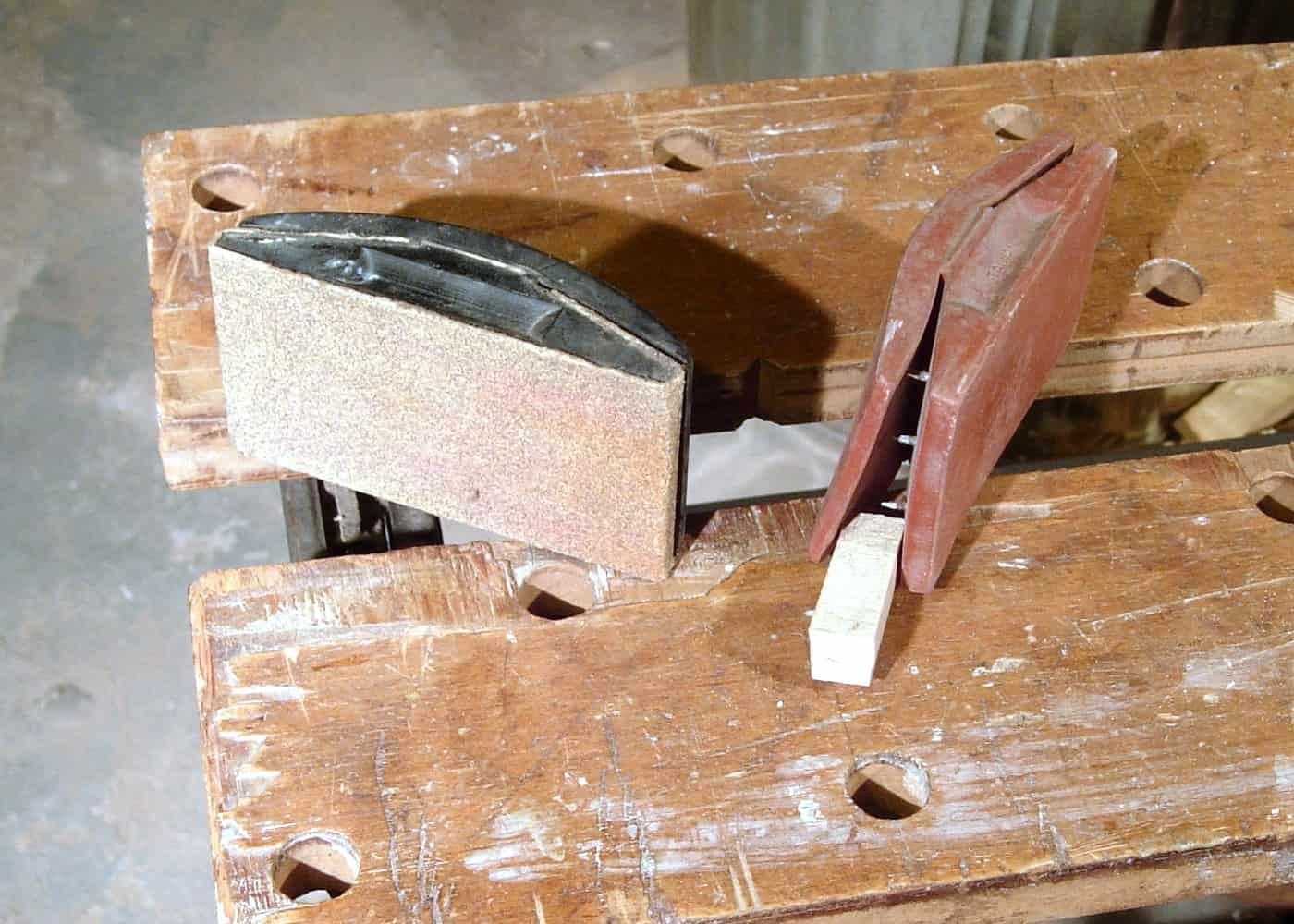 Hobby sanding sticks (assorted grits)Foam-backed abrasive on a stick, in a grit range from coarse to polishing. The thing that turns a visible nub into no nub at all. | Finishing the cut | 8.7 | Check price on Amazon |
| 4 | 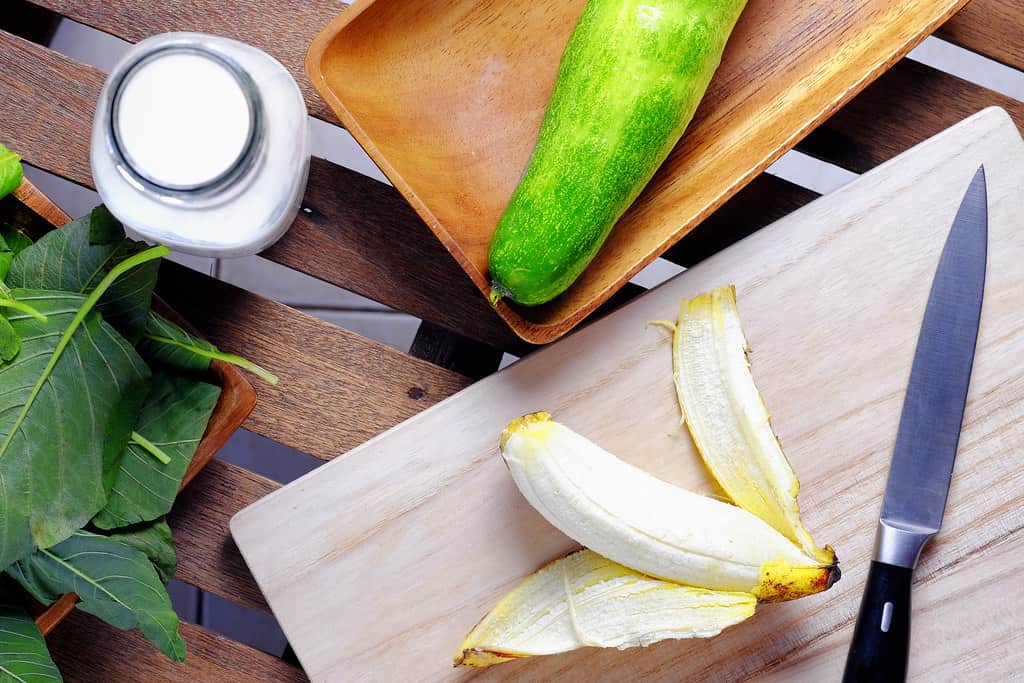 Self-healing cutting mat (A3 or larger)A self-healing mat protects the desk, stops parts skidding, and gives you a printed grid for measuring. The cheapest upgrade on this page. | Not cutting your table | 8.8 | Check price on Amazon |
| 5 | 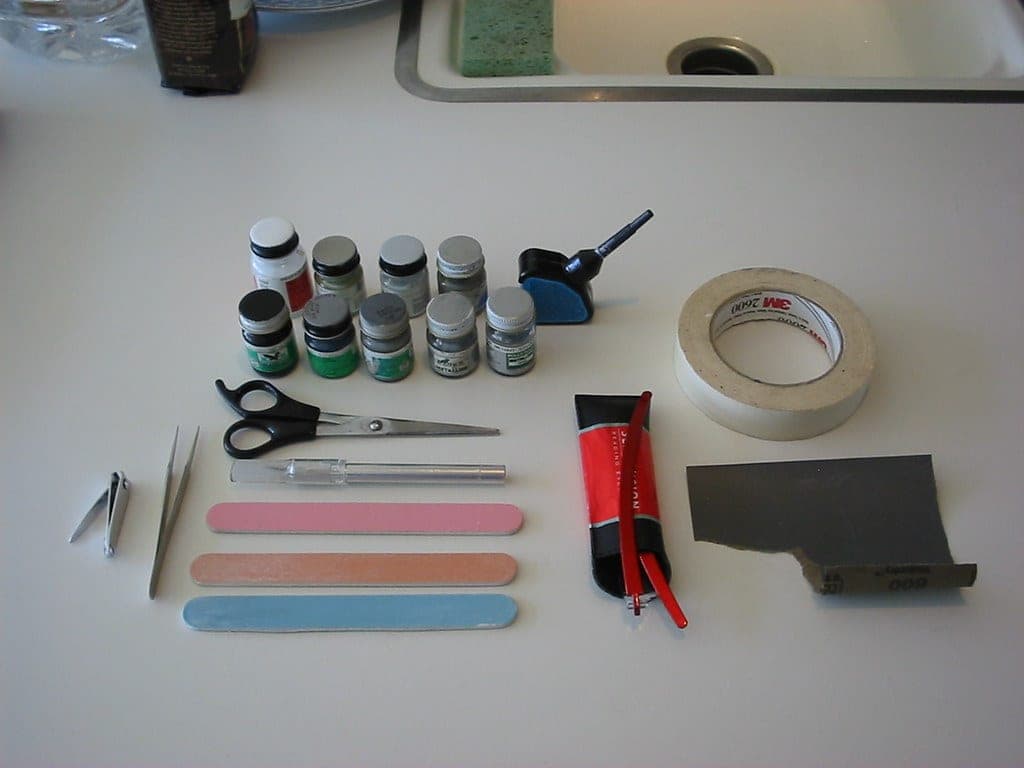 Curved-tip stainless tweezersA curved tip reaches into a model without your hand blocking the view. The single most useful tweezer shape for kit work. | Decals and tiny parts | 8.6 | Check price on Amazon |
Scores are our own editorial read against the criteria stated below — not a lab measurement and not a user rating. Tap a row for the full write-up.
The three tools that matter
A modern Bandai kit is engineered to snap together without glue or paint. What it is not engineered to do is come off the runner invisibly — every part is attached by a gate, and how you cut and clean that gate is the entire difference between a kit that looks assembled and one that looks built.
So the tool list, in order of how much it changes the result:
- A single-blade nipper. Cuts the part off the runner with a clean flat face instead of a crushed one. This is the one purchase that transforms your results, and the one most people put off.
- A sharp hobby knife. Shaves the remaining nub flush. A fresh blade cuts; a dull blade tears and leaves white stress marks.
- Sanding sticks. Takes the shaved area back to a smooth, consistent surface so it does not catch the light differently from the rest of the part.
A cutting mat protects the table and stops parts skating off the desk. That is four items, and it is a complete kit-building setup.
How we picked
- Cut quality on plastic runners. Does the blade shear the gate or compress it? Compression is what causes stress whitening.
- Blade geometry. Single-blade nippers cut against a flat anvil, which leaves a flatter face than scissor-action cutters.
- Durability and replaceability. A knife with replaceable blades beats a knife you resharpen. Nippers are a sharpening-or-replace decision; buy accordingly.
- How often you will actually use it. Tools you touch once per kit do not belong in a beginner’s first purchase.
These picks are based on published specifications and the reasoning laid out here rather than a controlled cut-quality test. See our review policy.
Why the all-in-one bundle is usually a mistake
The twenty-piece hobby tool sets are tempting and they are mostly filler: duplicate tweezers, undersized files, a saw you will never need, a scriber you should not use yet, and — crucially — a double-bladed nipper, which is the one component you most need to be good.
The money is better spent on one genuinely good nipper plus a knife than on a kit where the nipper is the weakest item. Everything else in those bundles is either cheap to add later or something you will never reach for.
What to add, and when
Plastic cement — only when you start building non-snap-fit kits or want seams gone. See the glue picks.
Panel liner — when you want the surface detail to read. It is the highest-impact ten minutes you can spend on a bare plastic kit: how to panel line.
Topcoat — when the kit is finished. It kills the plastic shine, evens out panel lining and protects decals: the topcoats.
Markers or paint — when you want colors the kit did not come molded in. Start with markers rather than a brush; the learning curve is gentler on hard plastic panels.
Tweezers — the moment you apply your first decal, and not before.
A sensible first order
If you are buying today and want one order that covers your first three kits: a sharp single-blade nipper, a knife with spare blades, a pack of sanding sticks, an A3 cutting mat, and a bottle of panel liner. That is well under the price of most tool bundles and every item earns its place.
Pair it with a forgiving first kit rather than the most impressive one on the shelf, and read the full tool rundown if you want the reasoning behind each item.
The picks in full
Tamiya Sharp Pointed Side Cutter
Slim, pointed jaws that get into a crowded runner, in a tool sturdy enough to survive years of ordinary use. The sensible first buy.
What it gets right
- The pointed jaw reaches gates that a fat double-blade cannot get near
- Tough enough to cut thicker sprue without worrying about the blade
- Roughly a third of a God Hand, and it will not be the thing limiting your build quality
Who it is wrong for
- A double blade pinches, so it leaves more of a stress mark than a single blade
- You will still want a knife or a sanding stick to finish the nub
- Not as satisfying to use, which matters more than it should
Scored against this page’s criteria
Specs from the manufacturer: Tamiya product page
We do not publish prices. Amazon shows the current one, which is the only one that is ever right. #ad · how this is funded
Olfa Art Knife (AK-4)
A slim aluminum handle with a genuinely sharp, cheap, replaceable blade. The blade supply is the real argument — a dull knife is what tears plastic.
What it gets right
- Blades are cheap enough that you will actually change them, which is the whole game
- The 30-degree point gets under a nub without gouging the part
- Slim handle is comfortable for the long, careful passes nub removal needs
Who it is wrong for
- The slim barrel rolls off a desk, and a rolling scalpel is a genuine hazard
- Blades are brittle at that angle; levering with one snaps the tip
- No cap on some versions, so budget for a safety cap or a blade block
Scored against this page’s criteria
We do not publish prices. Amazon shows the current one, which is the only one that is ever right. #ad · how this is funded
Hobby sanding sticks (assorted grits)
Foam-backed abrasive on a stick, in a grit range from coarse to polishing. The thing that turns a visible nub into no nub at all.
What it gets right
- Foam backing follows a curved surface instead of flattening it
- A progression of grits removes the nub AND the sanding marks it leaves
- Usable wet, which stops the clogging and the plastic dust
Who it is wrong for
- Coarse grits leave scratches that will show through paint unless you work up through the finer ones
- Sticks wear out and clog; they are consumables
- Sanding a painted or pre-colored part means repainting it, which beginners discover the hard way
Scored against this page’s criteria
We do not publish prices. Amazon shows the current one, which is the only one that is ever right. #ad · how this is funded
Self-healing cutting mat (A3 or larger)
A self-healing mat protects the desk, stops parts skidding, and gives you a printed grid for measuring. The cheapest upgrade on this page.
What it gets right
- Blade cuts close up, so the mat lasts years and the knife stays sharper
- The grid makes cutting basing material and plasticard to size trivial
- Matte surface stops small parts sliding off into the carpet
Who it is wrong for
- Solvent glue and enamel thinner will mark or soften the surface
- Rolls up and refuses to lie flat if it has been stored curled
- Dark mats make it very hard to find a dropped gray part
Scored against this page’s criteria
We do not publish prices. Amazon shows the current one, which is the only one that is ever right. #ad · how this is funded
Curved-tip stainless tweezers
A curved tip reaches into a model without your hand blocking the view. The single most useful tweezer shape for kit work.
What it gets right
- The curve keeps your fingers out of the sightline, which straight tips do not
- Smooth jaws grip a wet decal without tearing it
- Fine enough for photo-etched parts that fingers simply cannot handle
Who it is wrong for
- Fine tips bend permanently if you use them as a lever or a clamp
- Springy cheap steel launches small parts across the room
- A reverse-action (self-closing) pair is better for holding, and this is not that
Scored against this page’s criteria
We do not publish prices. Amazon shows the current one, which is the only one that is ever right. #ad · how this is funded
FAQ
Questions people actually ask
What tools do I need to build Gunpla?
Can I build Gunpla without nippers?
Are hobby tool bundles worth buying?
Do I need glue for Gunpla?
What should I buy after the basic tools?
More in Model Kit Tools for Gunpla and Scale Models, or start from the beginning with what to buy first.
Sources
- Tamiya — tools and cement rangechecked October 2026
- Bandai Spirits / Gundam official kit and grade informationchecked October 2026
- Olfa — Art Knife specificationschecked October 2026