The Best Panel Liner for Gunpla
Three different products that all claim to do one job. They behave nothing like each other, and only one of them is safe on bare, unpainted plastic.
The short answer
Tamiya Panel Line Accent Color is the best panel liner for most builders: it flows into a recess on its own and wipes back with a cotton swab and a little thinner. If the kit is bare, unpainted plastic, use a water-based Gundam Marker instead — enamel liners can craze stressed polystyrene.
The quick version
| # | Product | Best for | Score | Price |
|---|---|---|---|---|
| 1 | 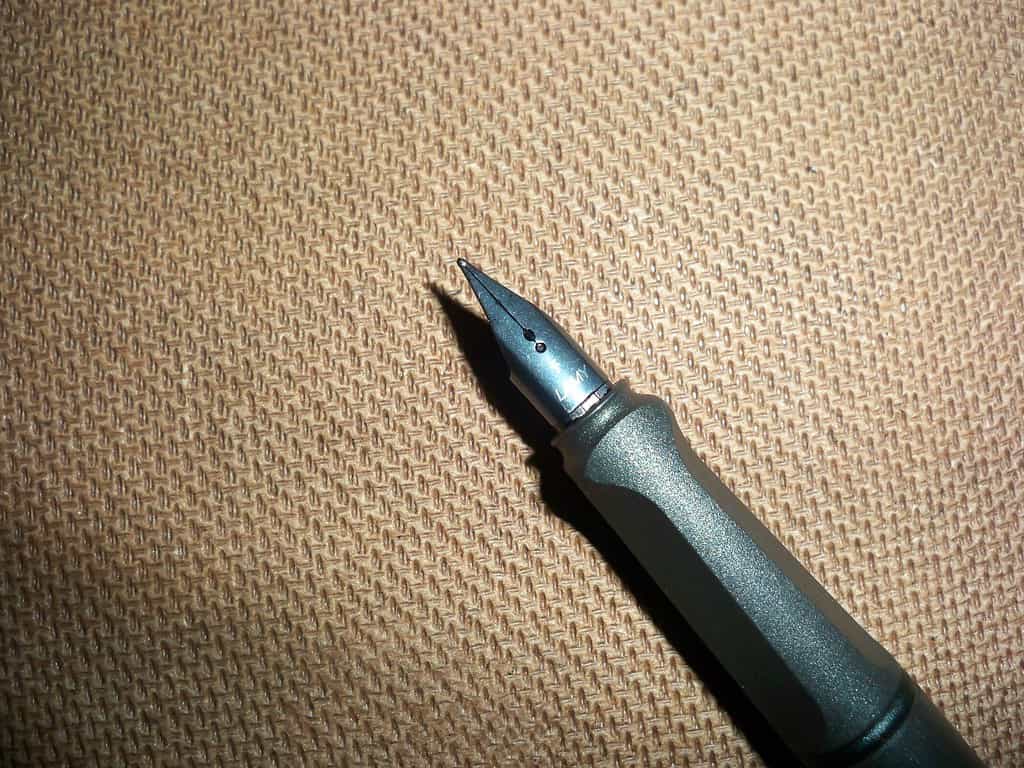 Tamiya Panel Line Accent ColorA very thin enamel that runs into every recess on its own and wipes back cleanly for hours. The best-looking panel lines available, with one real hazard attached. | Best panel liner for most kits | 9.0 | Check price on Amazon |
| 2 | Mr. Weathering Color (Multi Black, 40 ml)An oil-based wash that flows into a recess, then stays workable long enough to be wiped back exactly where you want it. That is control an enamel liner does not give you. | Most wipe-back control | 9.0 | Check price on Amazon |
| 3 | 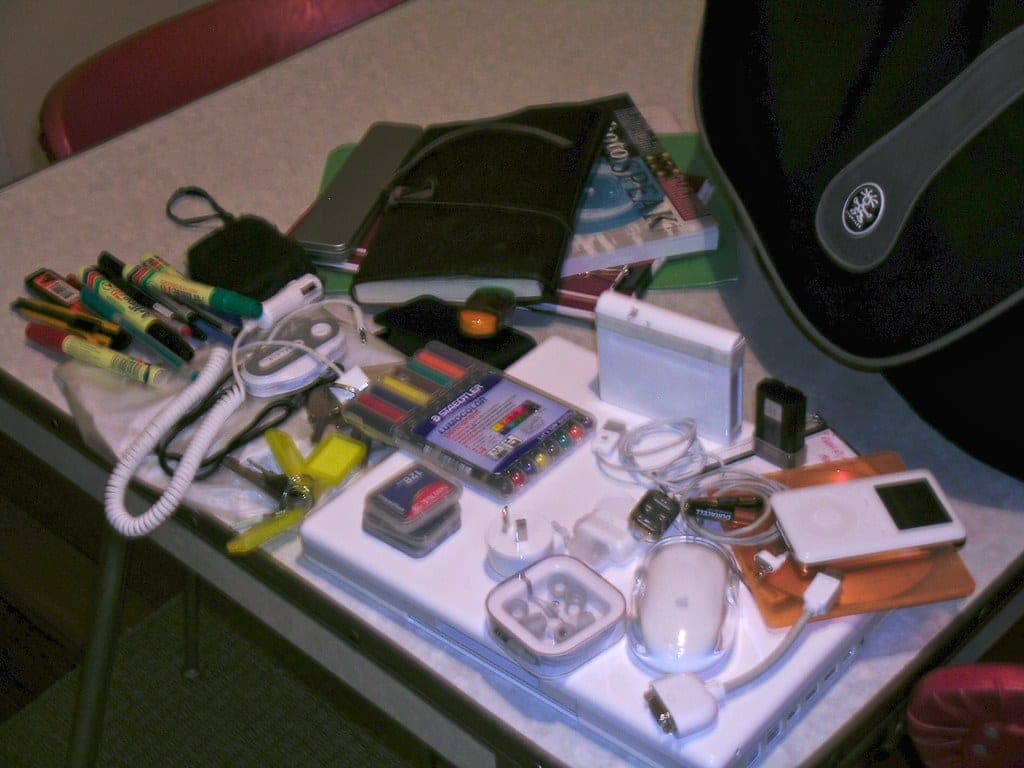 Gundam Marker Ultra Fine Black (0.5 mm)A 0.5 mm felt tip you draw straight into the groove. Nothing to thin, nothing to wipe, and an eraser fixes a wobble. The safest first panel liner there is. | Safest on bare plastic | 8.1 | Check price on Amazon |
| 4 | GSI Creos Gundam Marker Pour TypeA marker that flows by capillary action like a liquid panel liner, but water-based and safe on bare plastic. The best of both worlds for a snap-fit build. | Marker convenience, wash behavior | 8.8 | Check price on Amazon |
Scores are our own editorial read against the criteria stated below — not a lab measurement and not a user rating. Tap a row for the full write-up.
Three kinds of panel liner, and why it matters
Panel lining is one job with three unrelated products attached to it, and buying the wrong one is how people end up with a crazed shoulder or a smeared, gray-looking mess.
An enamel wash — Tamiya Panel Line Accent Color is the archetype — is thin pigment in a petroleum solvent with a brush in the cap. Touch it to the edge of a groove and capillary action pulls it along the whole line for you. You then wipe the excess off the flat surface, and the line stays. This is the fastest route to a convincing result, and the solvent is also the risk.
An oil-based wash like Mr. Weathering Color works the same way but stays workable for far longer. That sounds like a small difference and is actually the whole argument: a slow-drying wash can be wiped back thirty minutes later, selectively, leaving exactly the gradient you want. An enamel liner gives you about two minutes.
A marker is a felt tip. You draw the line into the groove yourself. Nothing flows, nothing needs wiping, nothing needs thinning, and a water-based marker is safe on bare pre-colored plastic that a solvent liner can attack.
The bare-plastic warning nobody reads first
Enamel and oil-based liners contain solvents. On a painted, clear-coated surface that is fine — the paint film is the barrier. On bare polystyrene, and especially on a part that is under tension (a tight polycap socket, a snapped-together peg, a thin antenna), the solvent can wick into a stress point and craze it. Crazing looks like a web of fine white cracks and it does not come out.
So the honest order of operations is: if the kit is bare plastic, panel line with a water-based marker, or lay down a clear coat first. If the kit is painted and sealed, an enamel or oil wash is the better tool. Our matte topcoat picks cover the clear coat that makes the switch safe.
How to wipe back without wrecking the line
The wipe-back is where panel lining is won or lost, and it is mostly technique rather than product.
- Let it dry properly first. Five to fifteen minutes for an enamel liner. Wiping wet pigment drags it out of the groove with the excess.
- Wipe along the line, never across it. A cotton swab dragged across a panel line scrubs the pigment straight out of it.
- Use a barely-damp swab. Dip, then squeeze most of it out on a paper towel. A soaked swab floods the groove and you start again.
- Stop early. A faint, slightly uneven residue on the flat surface reads as dirt and shadow at arm’s length. A surgically clean panel reads as a toy.
Which color liner to buy first
Black is the obvious choice and the wrong one on most kits. A pure black line on a white or light gray Gundam reads as drawn-on, because real shadow in a panel gap is not black.
Gray on white and light panels, brown on red, tan and desert schemes, black on dark gray and black armor. If you are buying one bottle for a standard RX-78 color scheme, buy gray — it is the one that looks accidental rather than deliberate, which is the goal.
What to buy, in order
One marker and one bottle of liner covers everything a first few kits need. The marker is what you use before you start painting; the bottle is what you use after. Neither replaces the other, and together they cost less than a single Master Grade kit.
If you are still assembling your first tool set, the beginner Gunpla tool picks put panel liner in its proper place in the queue — after nippers, a knife and sanding sticks, which is the order the build itself demands.
The picks in full
Tamiya Panel Line Accent Color
A very thin enamel that runs into every recess on its own and wipes back cleanly for hours. The best-looking panel lines available, with one real hazard attached.
What it gets right
- Flows further and finer than any marker — the line looks molded rather than drawn
- Stays wipeable for a long window, so mistakes are genuinely fixable
- One 40 ml bottle will outlast dozens of kits
Who it is wrong for
- The enamel thinner inside attacks acrylic paint — a painted kit MUST be gloss-coated first or the paint lifts
- Pooled enamel can craze stressed bare plastic, particularly around stress marks
- Needs ventilation; it smells strongly and the vapor is not pleasant
Scored against this page’s criteria
Specs from the manufacturer: Tamiya product page
We do not publish prices. Amazon shows the current one, which is the only one that is ever right. #ad · how this is funded
Mr. Weathering Color (Multi Black, 40 ml)
An oil-based wash that flows into a recess, then stays workable long enough to be wiped back exactly where you want it. That is control an enamel liner does not give you.
What it gets right
- Stays workable far longer than an enamel liner, so a slow, careful wipe-back is possible
- The stainless mixing ball means the pigment is actually mixed rather than settled in a layer
- Doubles as a streaking and filter medium, so one bottle covers panel lines and weathering
Who it is wrong for
- Oil-based, so it needs a thinner and a ventilated space — not a water-and-paper-towel product
- Can craze bare, stressed plastic if left pooled; it wants a clear coat under it
- Slow drying is the feature and the drawback — you cannot finish a kit in one sitting with it
Scored against this page’s criteria
Specs from the manufacturer: Mr. Hobby product page
We do not publish prices. Amazon shows the current one, which is the only one that is ever right. #ad · how this is funded
Gundam Marker Ultra Fine Black (0.5 mm)
A 0.5 mm felt tip you draw straight into the groove. Nothing to thin, nothing to wipe, and an eraser fixes a wobble. The safest first panel liner there is.
What it gets right
- Zero setup and zero cleanup — the reason most first kits get panel lined at all
- Water-based, so a mistake comes off with an eraser instead of a thinner bath
- Safe on bare pre-colored plastic, which solvent liners are not
Who it is wrong for
- You are drawing the line, not flowing it, so the result is only as steady as your hand
- The tip frays and widens with use and cannot be replaced
- Will not reach a deep or narrow recess that a liquid wash fills by capillary action
Scored against this page’s criteria
Specs from the manufacturer: GSI Creos product page
We do not publish prices. Amazon shows the current one, which is the only one that is ever right. #ad · how this is funded
GSI Creos Gundam Marker Pour Type
A marker that flows by capillary action like a liquid panel liner, but water-based and safe on bare plastic. The best of both worlds for a snap-fit build.
What it gets right
- Press it to a recess and it runs the line for you — far neater than drawing freehand
- Water-based, so no risk of crazing bare polystyrene the way enamel thinner can
- No bottle, no brush, no decanting; it is a pen
Who it is wrong for
- Color range is limited to black, gray and brown
- Dries faster than enamel, so you have less time to wipe back a mistake
- Cannot be thinned or custom-mixed the way a bottled liner can
Scored against this page’s criteria
We do not publish prices. Amazon shows the current one, which is the only one that is ever right. #ad · how this is funded
FAQ
Questions people actually ask
What is the best panel liner for Gunpla?
Can you use Tamiya Panel Line Accent Color on bare plastic?
What color panel liner should I use?
How do you remove panel liner mistakes?
Do you panel line before or after a topcoat?
More in Model Kit Tools for Gunpla and Scale Models, or start from the beginning with what to buy first.
Sources
- Tamiya — tools and cement rangechecked October 2026
- GSI Creos / Mr. Hobby — Mr. Weathering Color and Gundam Marker rangeschecked October 2026